Black Holes — Portals to a Mirror Universe express
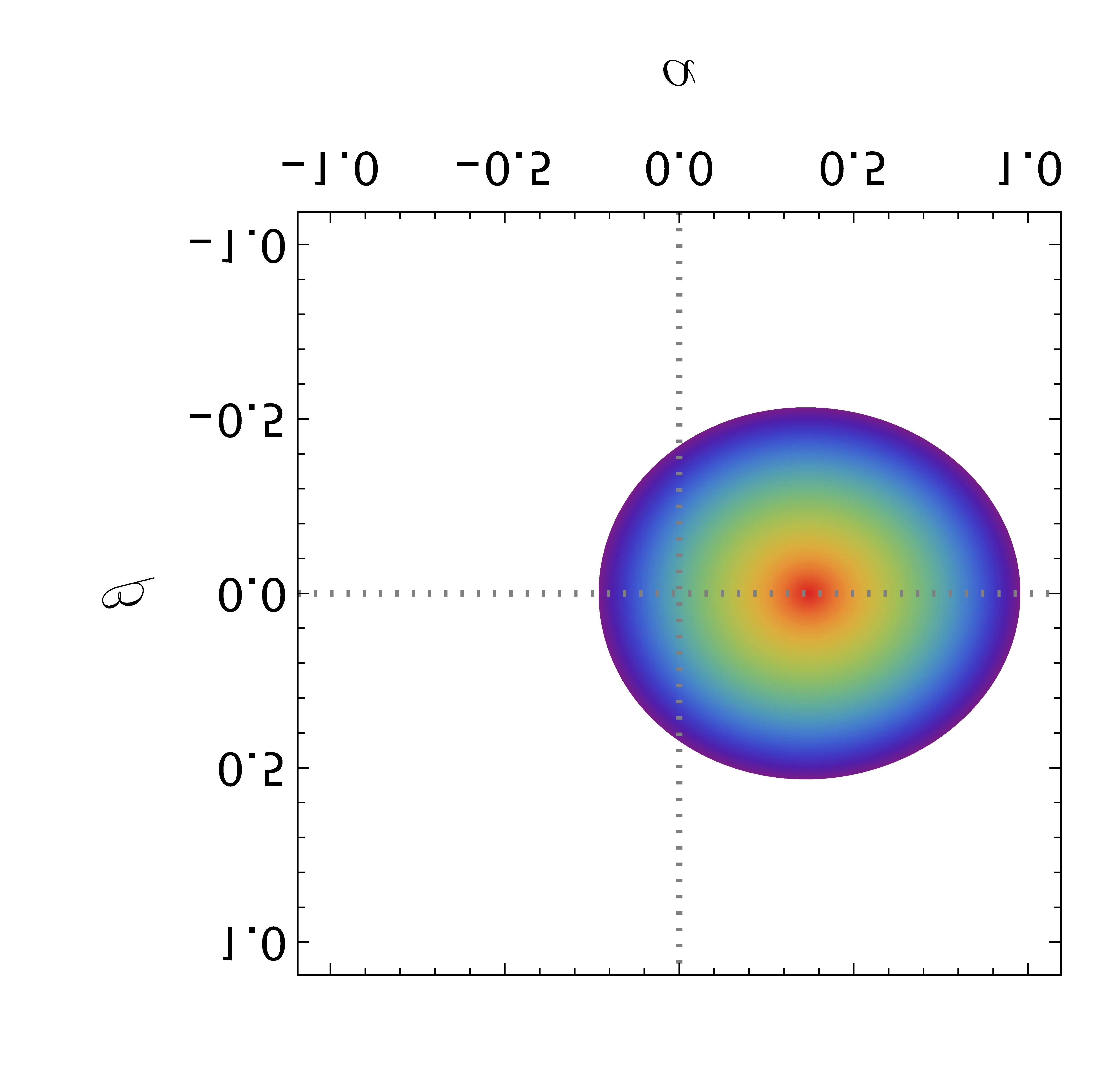
An ordinary black hole is a trap from which nothing escapes. But a rotating black hole is structured differently: at its center is not a point, but a ring of infinitely compressed matter. Space here is curved to the limit, and light rays trace unimaginable loops.
New research has revealed: thin beams of light slip through this ring, like a thread through a needle's eye. The slightest miss and the beam perishes, but a precise hit carries it into a mirror-reflected universe with inverted laws. From there, our sky would appear upside-down and distorted.
And so, information that falls into a black hole may not be lost, but seeps through the ring into another world.
The central ring of a rotating black hole is like a needle's eye: the slightest miss dooms a falling object, but a perfect hit ejects it into a mirror universe.
Passing through a rotating black hole into another universe echoes the wormhole concept shown in the movie 'Interstellar'.