A Diamond Speck in Two Places at Once ✎ express
Original: "Magnetic levitation and spatial superposition of a nanodiamond with a current-carrying chip"
arXiv:2601.06608 · 2026-01-10 · arXiv non-exclusive · independent analysis · 1 min
Physicists have devised a way to make a tiny diamond levitate and be in two places at once — to test whether gravity itself is quantum.

A tiny diamond, smaller than a dust speck, hovers inside a magnetic trap made of microchips. Inside the crystal is a single defect acting as a beacon. Scientists coax the diamond into being in two places at once, like a magician’s ball that honestly rests under two cups.

This isn't just a trick. This splitting, or superposition, allows testing a protocol: if two such diamonds become entangled through gravitational attraction, then space-time itself is made of quantum cells. The experiment fits on a table, yet it could unite quantum mechanics with Einstein’s theory of relativity — a bridge between worlds where particle physics currently falls short.

Unlike Schrödinger's cat, this diamond isn’t a thought experiment but a tangible object flirting with quantum laws.
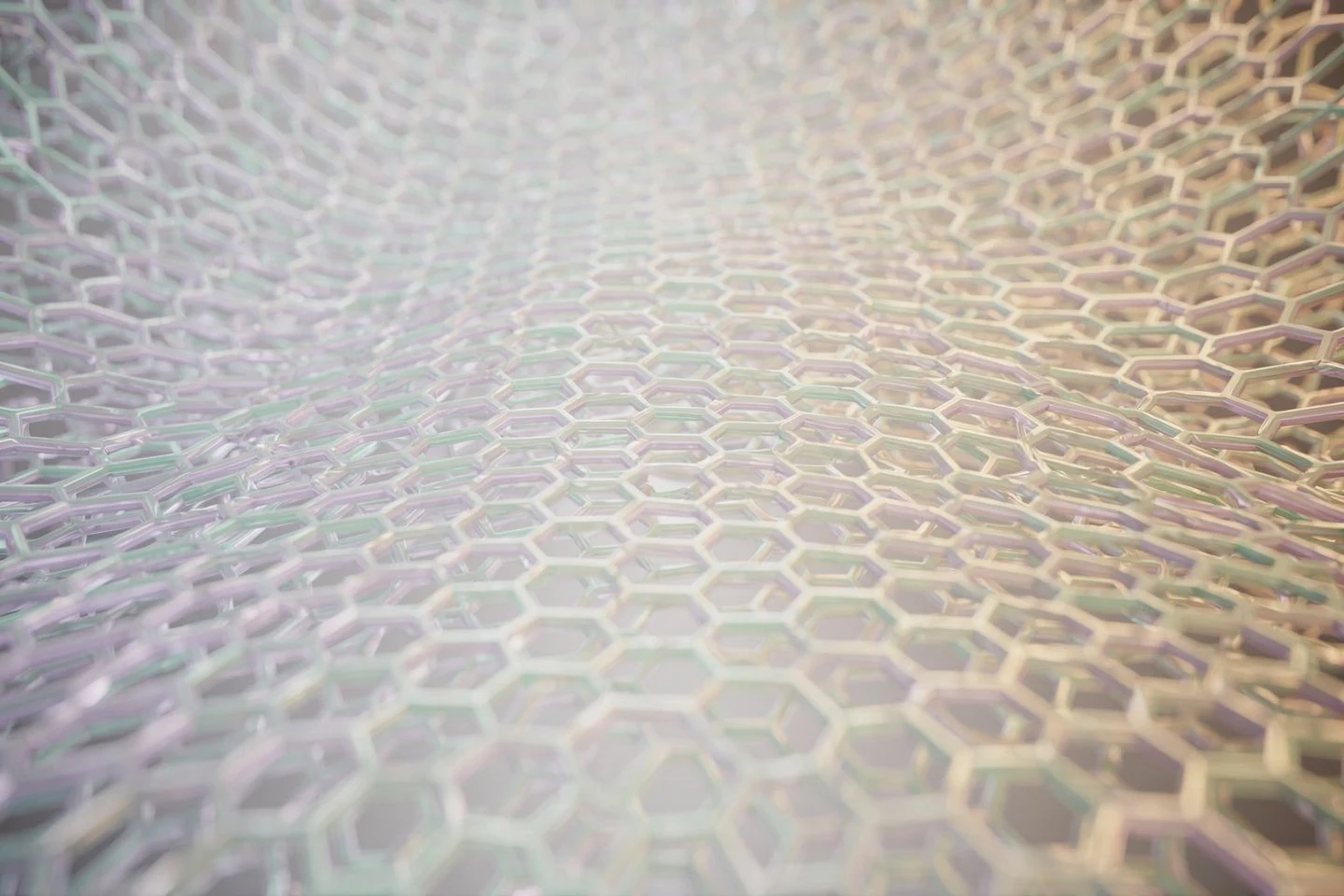
At the heart of the trick is ordinary carbon, arranged in a crystal lattice. An elegant simplicity, reminding us: the universe hides wonders in the ordinary.

The state of dual existence lasts less than an instant, a tenth of a second, but that’s long enough for measurements.

Scientists
David DeutschErwin SchrödingerJohn Stewart BellLouis de BroglieLov GroverPaul Benioff
Concepts
diamond quantum memory diamond nv center levitation nv center sensing electron trap nitrogen vacancy center vacuum energy levitation magnetic trap