A Four-Partner Dance in Graphene express
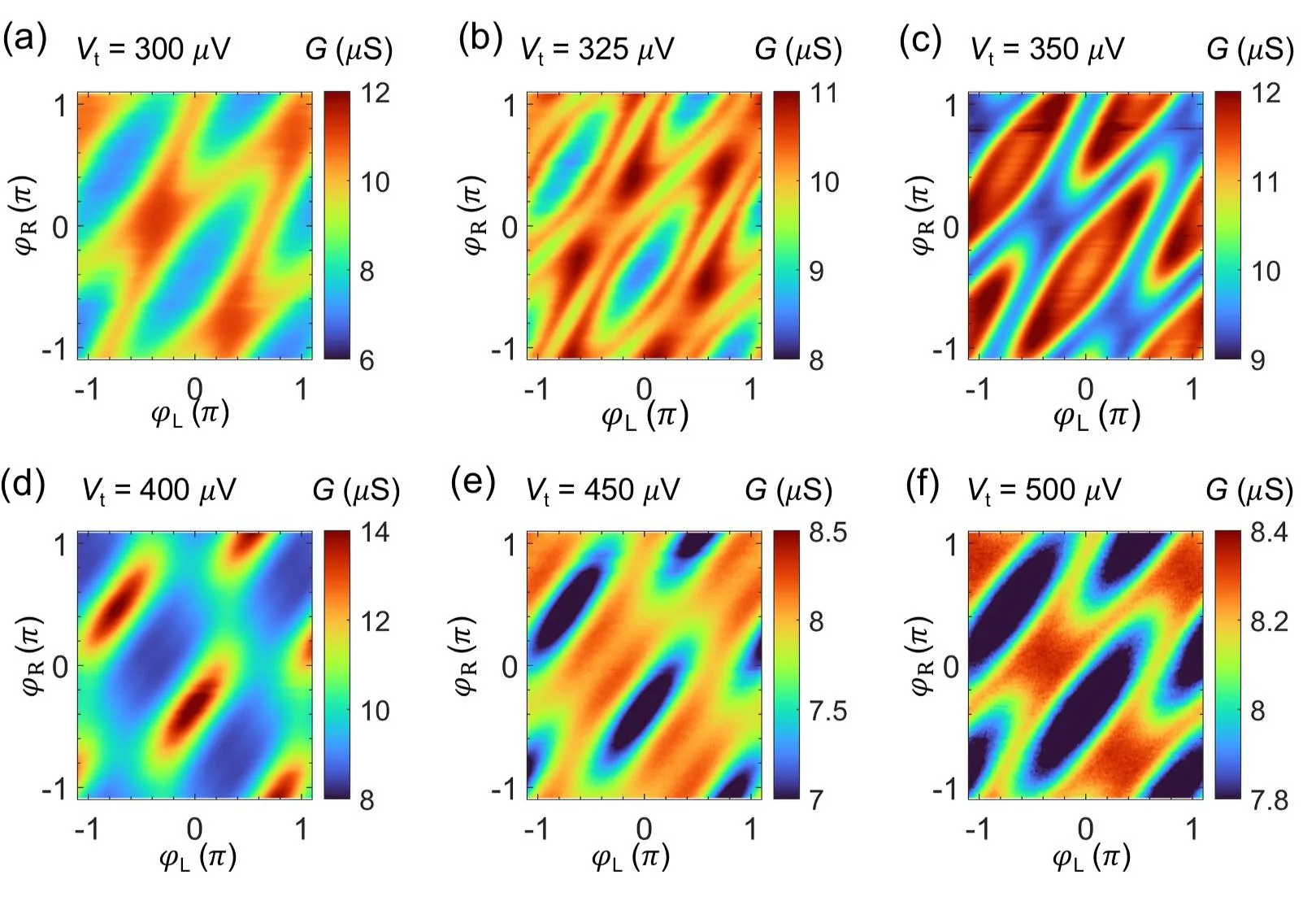
In a superconductor, electrons move in pairs, like dance partners. Usually, through a junction between two superconductors, one pair passes at a time. But add a third contact, and the dance gets more complex: two pairs can move together, forming a foursome. It's this four-part resonance that has been seen for the first time in a graphene junction with three terminals.
The scientists measured how the current changes as the phases at the contacts are varied. The phase is the position of the electron wave, like the phase of the moon. When two phases aligned in a special way, sharp dips appeared in the spectrum. These dips moved along closed paths around a torus — a donut shape formed by the two phases. Such winding points to a topological nature: the foursomes of pairs behave like a knot that cannot be untied without breaking.
This discovery shows that multi-contact superconducting devices can create states that are impossible in ordinary two-contact ones. In the future, such systems could help engineer new quantum materials and possibly topological qubits for quantum computers.
The four-part resonance is like four people holding hands and spinning, their combined dance visible only to a specific tune (phase).
In the series 'The Expanse,' superconducting materials allow ships to withstand enormous G-forces — multi-contact junctions could be a step toward such technology.