Dancing Chaos: How to Measure the Complexity of Turbulence express
Hot plasma in a future fusion reactor is like a packed dance floor: billions of particles whirl in a complex rhythm, colliding and changing speed. Figuring out how tangled this dance is — no easy task. Scientists have found a way to measure its complexity without watching every move.
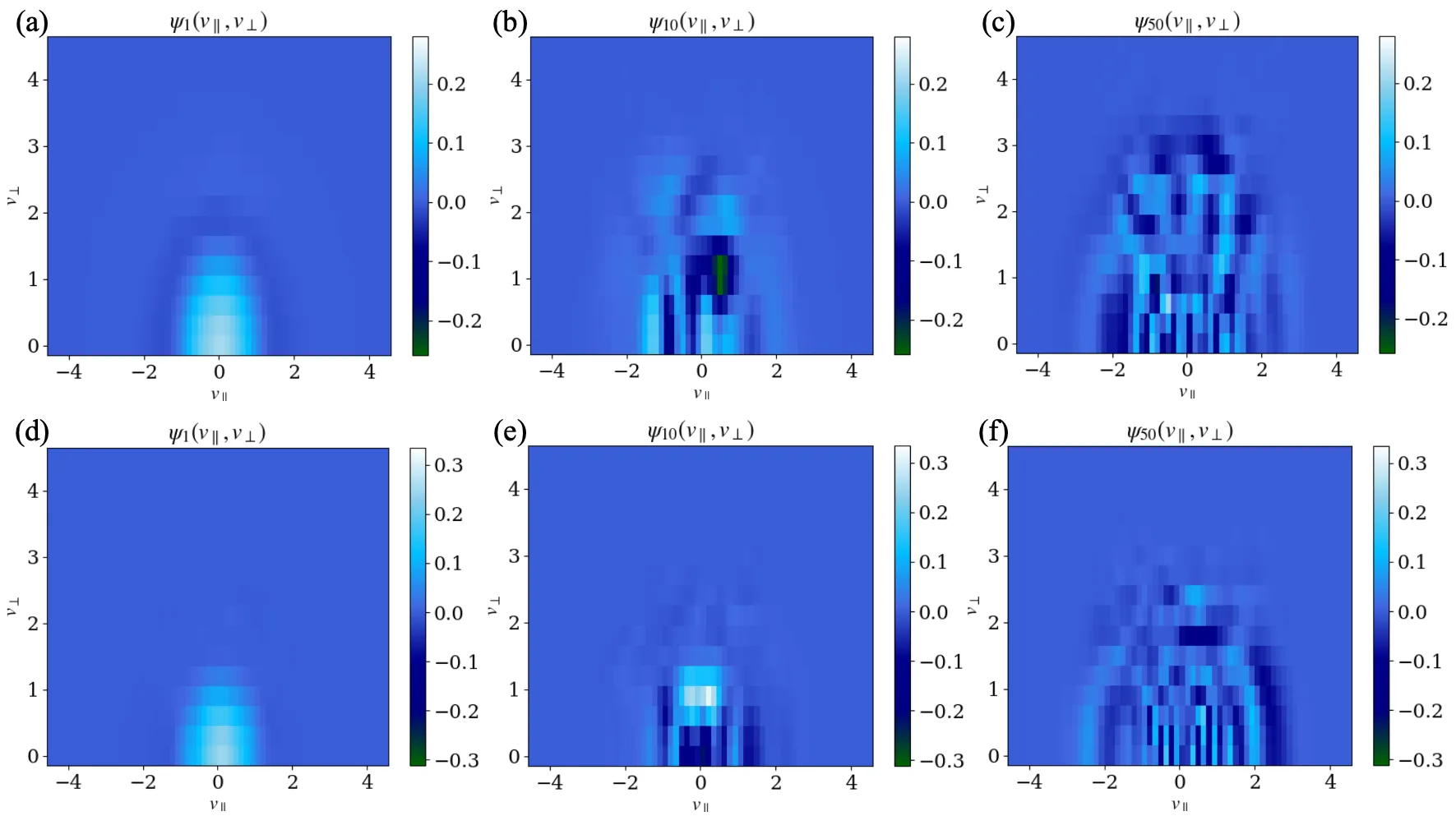
They took a mathematical tool that breaks the dance into simple individual motions, like a musical chord into notes. Then they counted how "diverse" these notes are: that's the measure of complexity. It turns out that for small vortices (smaller than a certain size), the dance becomes especially tangled: particle velocities mix more strongly.
This velocity mixing is key to how heat and particles leak out of plasma. If we can learn to predict this chaos, we can better confine the plasma in a reactor and bring fusion energy closer.
The same method scientists applied to plasma also works for other complex systems — from weather forecasting to analyzing financial markets. Anywhere with many moving parts, you can measure how tangled their collective dance is.
The fusion plasma in the ITER reactor will be ten times hotter than the center of the Sun — about 150 million degrees.
In Vernor Vinge's novel "A Fire Upon the Deep," zones of the galaxy with different "complexity" of physics are described — an idea vaguely reminiscent of trying to measure plasma complexity.