Glass That Remembers Touch express
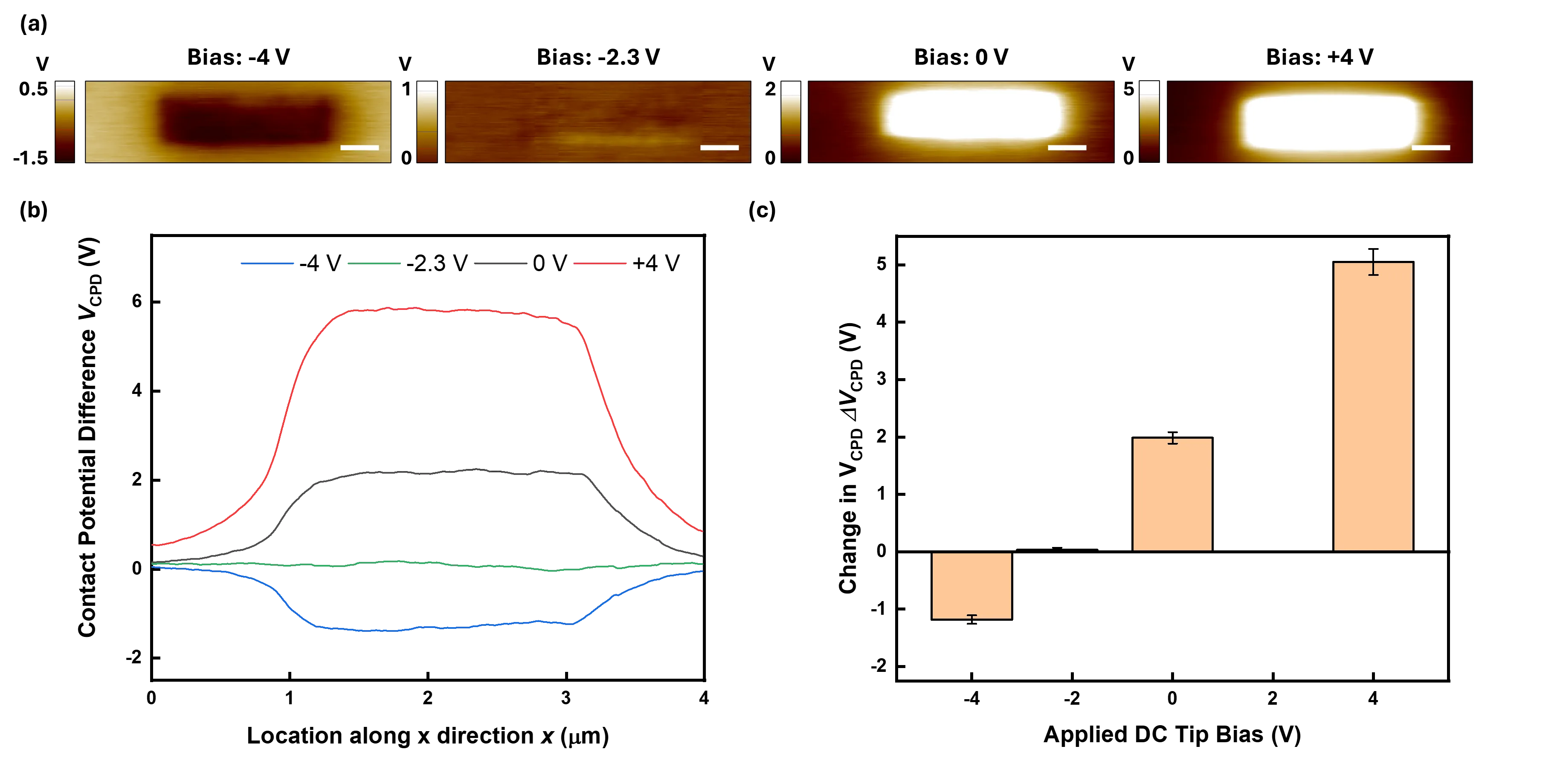
A flexible screen as thin as a human hair is glass you can bend. But this marvel has a quirk: touch it, and an invisible electric charge lingers on the surface. Like dust on polished furniture, it builds up and interferes with operation. Scientists took a piece of glass 30 micrometers thick, three times thinner than a sheet of paper, and tracked the fate of the charge.
They swept a tiny needle across the glass like a bow across a violin string, leaving an electric trail. Then they measured how that trail faded. Over four hours, the voltage dropped from 4.47 volts to 0.37 volts, like a battery slowly running down. But the charge didn't escape along the surface; it seeped through the glass's thickness, like water percolating into sand.
This behavior differs from typical thin films, where charge spreads across the surface. That means flexible screens need special protective measures. The scientists also found a way to control the charge: by applying voltage to the needle, they could strengthen, weaken, or even flip the electric trail. It's like a volume knob for static electricity.
Now engineers can predict how much charge a screen will accumulate and design coatings that shrug off touches. Flexible displays, wearable sensors, and smart windows will become more reliable. And glass that remembers every touch will stop being so temperamental.
Glass 30 micrometers thick can be wrapped around a pencil without breaking, and it holds a charge longer than ordinary window glass.