Layers That Conduct Heat Differently express
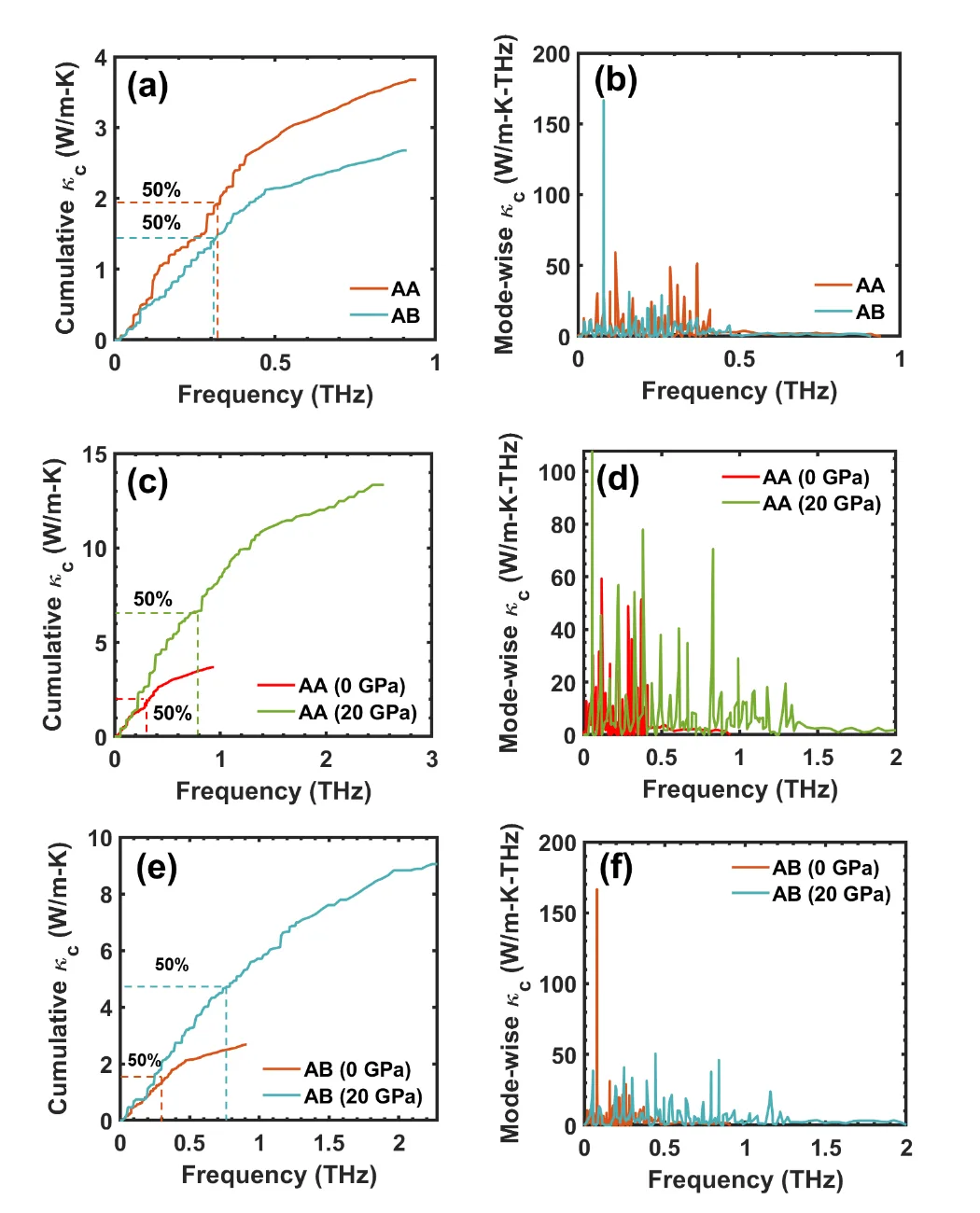
Heat dissipates poorly in thin layered materials, like a crowd in a narrow corridor. In ReS2 crystals, layers lie on top of each other, and heat can travel across them. Scientists measured how quickly this happens and found a surprise: when the layers are stacked directly one above the other, heat passes almost twice as fast as when they are shifted.
The stacking order acts as a filter: with aligned layers, atomic vibrations last longer and carry more heat. It's like soldiers marching in step — less jostling, faster progress. When layers are shifted, the formation breaks, and heat dissipates.
Now engineers can manage heat in thin electronics simply by changing the stacking order of layers. It's like choosing how wide to make the corridor for heat.
In ReS2, heat travels across the layers almost as if down a straight corridor — phonons fly hundreds of nanometers without collisions.