A Single-Celled Lens: How an Alga Confuses Light and Shadow express
The tiny green alga Chlamydomonas spends its life rowing with two flagella toward light, like a swimmer heading for shore. It senses light with a photoreceptor protein, and behind it lies a red spot — the 'eyespot'—which casts a shadow and helps the cell figure out where the light is coming from. But in mutants lacking this spot, the behavior flips: they swim away from light even though the protein is still there. Why?
Ten years ago, researchers noticed that the cell's spherical body itself acts like a magnifying glass. Light passing through the cell is focused into a bright point behind it, like a sunbeam from a glass marble. In normal algae, the eyespot blocks this point, but in mutants it hits the photoreceptor directly from behind. The result is two signals: a weak direct light from the front and a strong focused one from the back. As the alga rotates around its axis, these signals alternate.
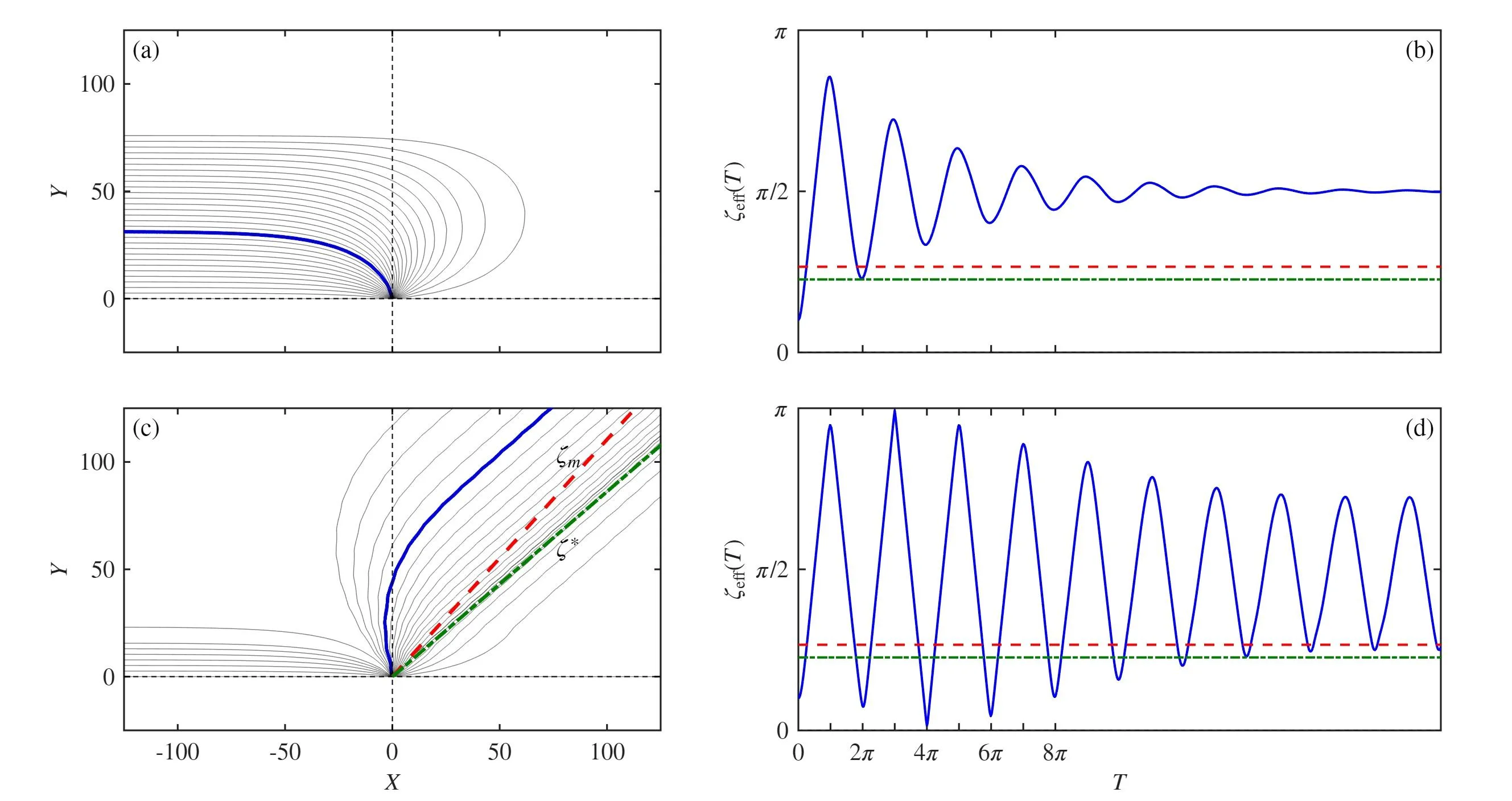
The cell doesn't respond to light intensity but to the rate of change, like a person who flinches at a sudden rustle rather than a steady hum. The sharp focused signal overrides the smooth direct one, and the flagella get the command 'row away from the light.' So the mutant without an eyespot swims in the opposite direction. The model also predicts something else: under certain conditions, the alga may oscillate between two directions, like a pendulum, unable to decide which way to go. This can be tested by tracking individual cells under a microscope.
Thus, a simple lens inside a living cell becomes a behavioral switch. A mistake in a single pigment spot, and the whole navigation goes haywire, like a compass with north and south swapped.
Chlamydomonas is one of the fastest swimmers among single-celled organisms: it can cover a distance ten times its own length in a single second.