Quantum Arrows for DNA: A New Speed Record express
DNA is a long carbon necklace made of four types of beads. Biologists often need to compare two strands to find differences. Normally this requires a lengthy brute-force search. Researchers came up with a clever trick: encode each bead as an arrow that rotates based on its neighbors. The idea came from language models, where words also 'know' context.
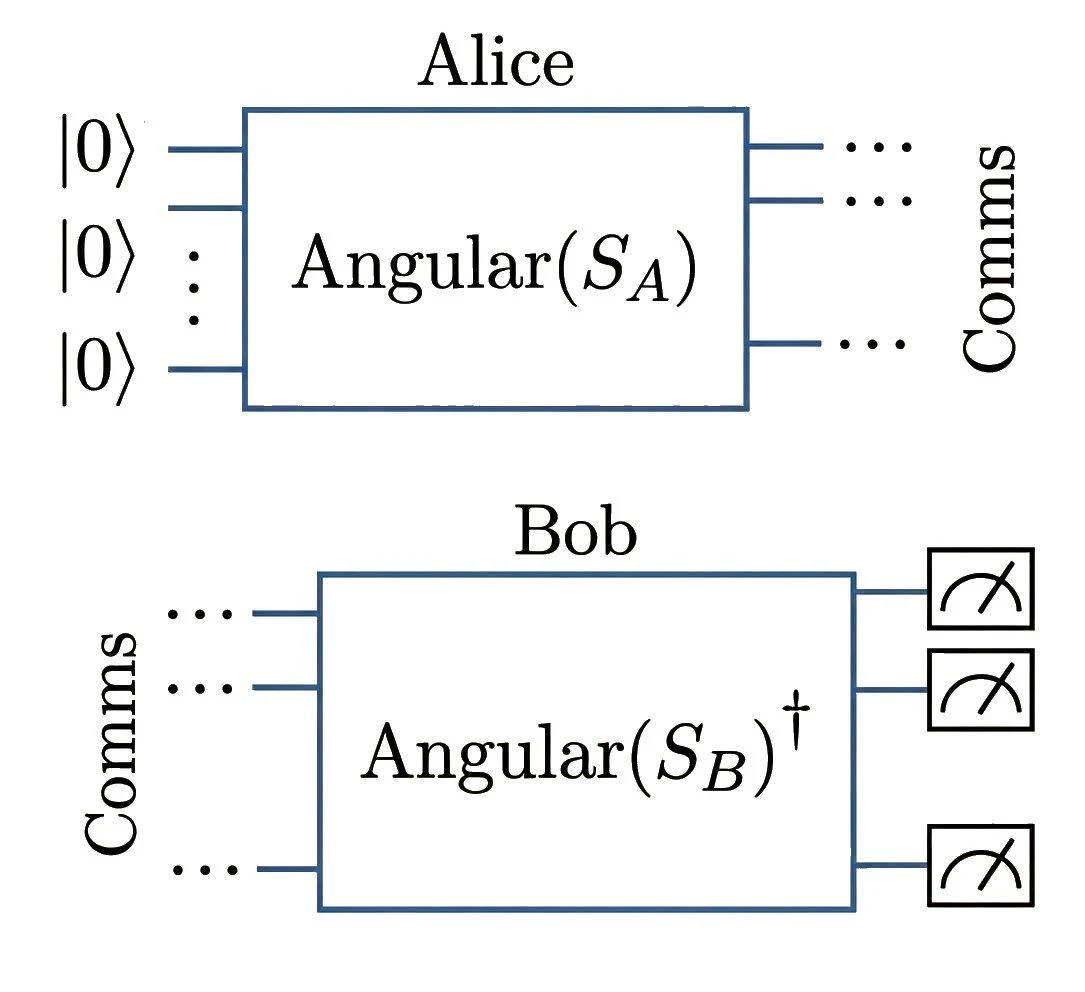
The RotorMap method, using lightning-fast computation on GPUs, outperforms standard tools by 50–700 times. For quantum computers, a version was created where arrow directions determine particle states. The algorithm was tested on Quantinuum quantum machines, reading data via spectroscopy — analysis of emitted radiation.
The human genome is 3 billion letters. Comparing two genomes used to take hours, now it takes seconds.
Quantum DNA signatures resemble technology from 'Gattaca', but with protection that can't be hacked.