Milky Way and Andromeda: A 90% Likely Merger express
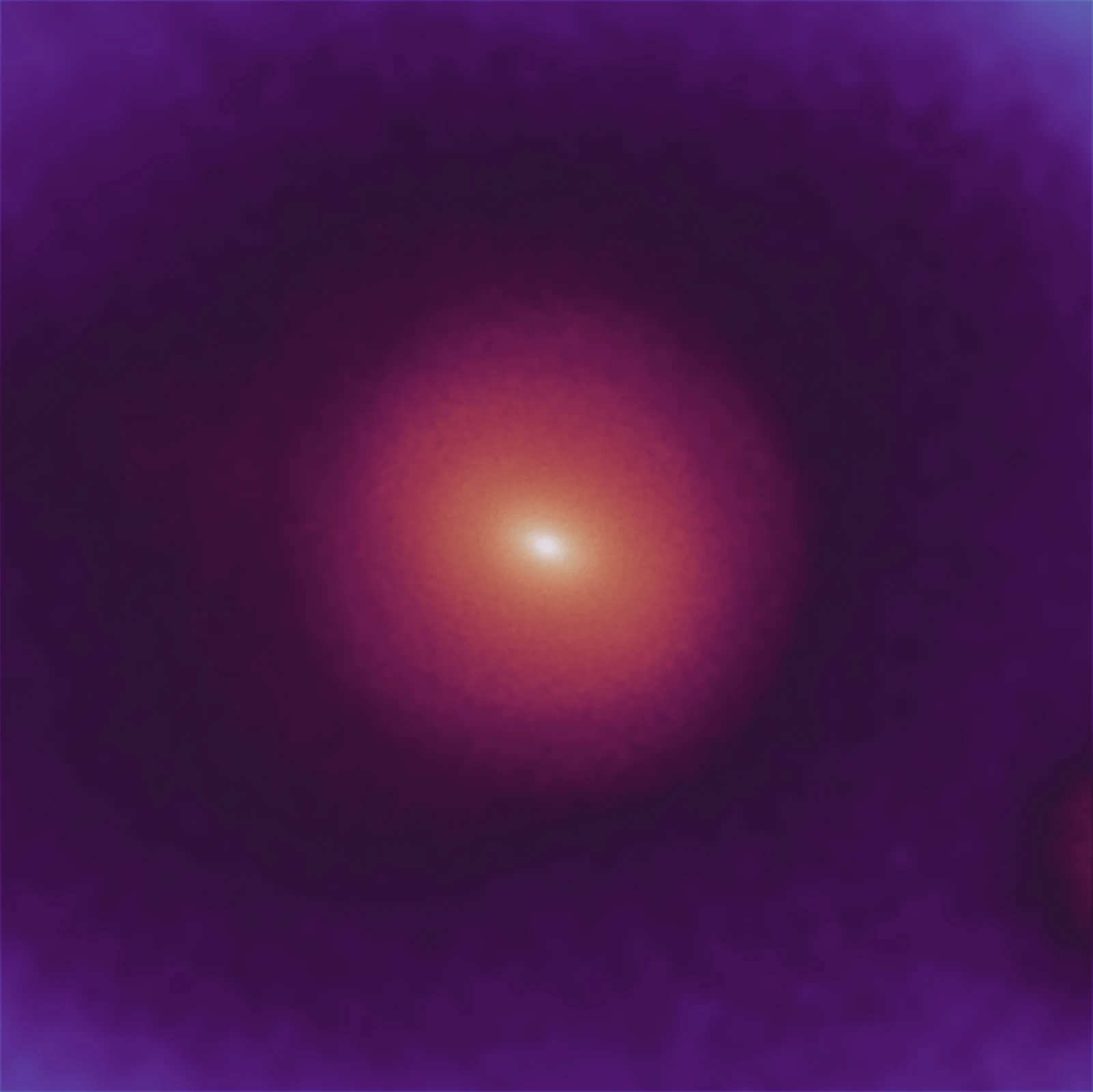
The Milky Way and the Andromeda Galaxy are like two vast flocks of birds drawing together in the celestial expanse. New data from the Gaia telescope shows: Andromeda barely deviates sideways. The chance of their merger is a whopping 90%. Even the gentlest crosswind could steer their paths apart, but calculations say: it’s almost nonexistent.
Their trajectory is also influenced by smaller satellites — the Large Magellanic Cloud and the Triangulum Galaxy. Through their gravity, they subtly nudge the main participants, much like birds from neighboring flocks unintentionally adjusting the overall course. Gravity here isn’t magic but the manifestation of spacetime curvature, akin to a dip in stretched fabric under the weight of balls. And invisible dark matter adds mass to that fabric, steering the motion.
In 6.5 billion years, the galaxies will merge into a single system. The Earth’s sky will change, but the collision itself is safe: stars are so sparsely scattered that they easily pass by one another.
Galaxy mergers don’t destroy: they create: millions of new stars are born from gas and dust, like a fireworks display lasting billions of years.
In science fiction, such as the series ‘Star Trek’, such mergers are sometimes depicted as arenas of battle. In reality, it’s not a collision but a slow blending, like two immense bird flocks merging into one.