From Brain Scans to Brain Function express
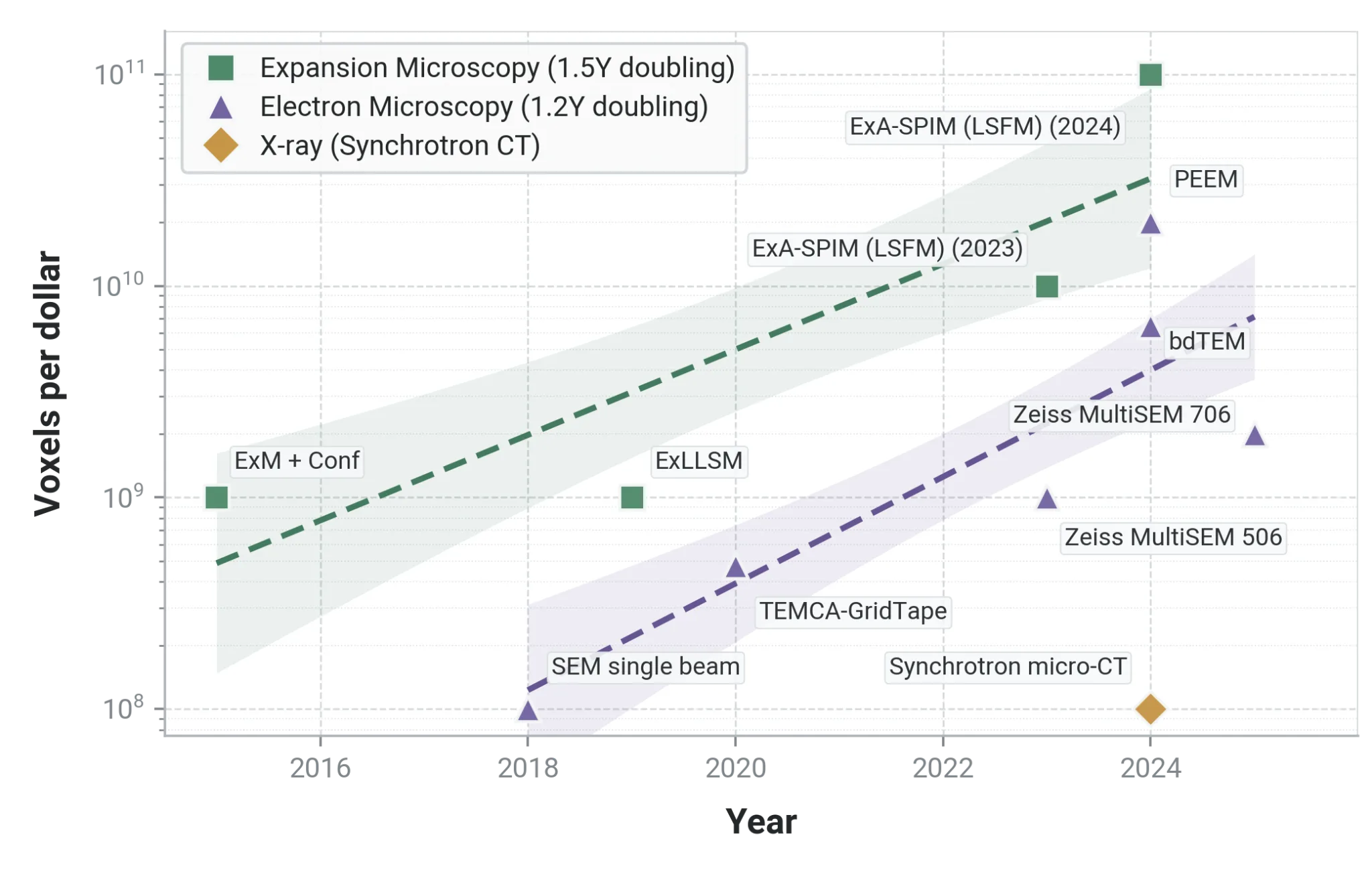
Modern microscopes see the brain in exquisite detail: not just the synapses themselves, the contact points between neurons, but also the molecules they are made of. Such images are becoming more common and cheaper to produce. But there's a catch: a pretty picture doesn't tell you how quickly a cell transmits a signal or how strongly one neuron influences another.
The authors propose building a "translator"—a program that takes a molecularly labeled image and outputs a set of numbers describing how the neuron works: synaptic strength, channel conductance. They call this translator a compiler: just as a program turns code into an executable file, this tool turns structure into dynamics.
Then biological simulations become more accurate: instead of hand-tuning parameters, researchers can load real connectivity maps and run the model right away. This is a step from simply describing "what is connected to what" to predicting "how this network will think."
It all started with pretty pictures. Now they promise to become a working tool, like a blueprint from which you assemble a functioning mechanism.
The cost of mapping synapses is falling so fast that soon a detailed map of a brain region will cost no more than a routine lab test.