How to Measure Disorder That Never Settles
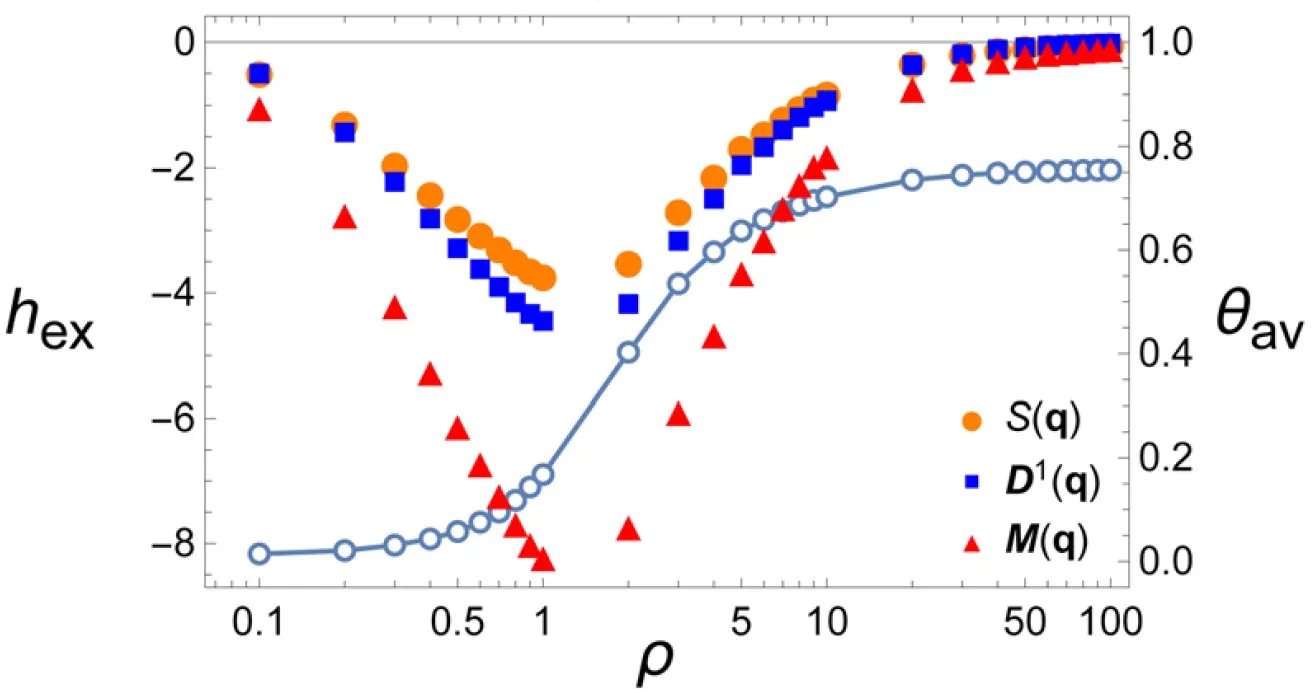
Tidying a room where children are playing feels endless: you have just put the toys away, and they are scattered again. The same goes for disorder in living systems: bacterial swarms, shifting sand, swarms of fireflies. Usually disorder (entropy) is measured when everything has frozen and settled. But life does not freeze, and the old methods fail here.
To estimate the disorder in such a system, you would have to go through every possible position and velocity of the particles. For a hundred particles that number has a hundred zeros. No computer can handle it. So scientists came up with workarounds. One of them is data compression. If you write all the particle positions to a file and compress it with an archiver, the length of the compressed file shows how much repetition there is in the data. The shorter the file, the less disorder. It is like tidying up: if all the toys are in one box, you can describe the room briefly, "everything is in the box." If they are scattered, the description will be long.
Another route is to watch how particles wander apart. If they spread out quickly, disorder grows. If they stay together, disorder is smaller. These methods have already helped find new transitions in bacterial swarms and in jammed droplets. They went unnoticed before because researchers looked at the overall picture rather than at the details of the disorder.
The entropy of a continuous distribution can be negative, unlike the discrete case. You can see this with a narrow peak: the narrower the peak, the lower the entropy, and in the limit it goes to minus infinity.