A Mirror That Doesn't Mess with Light express
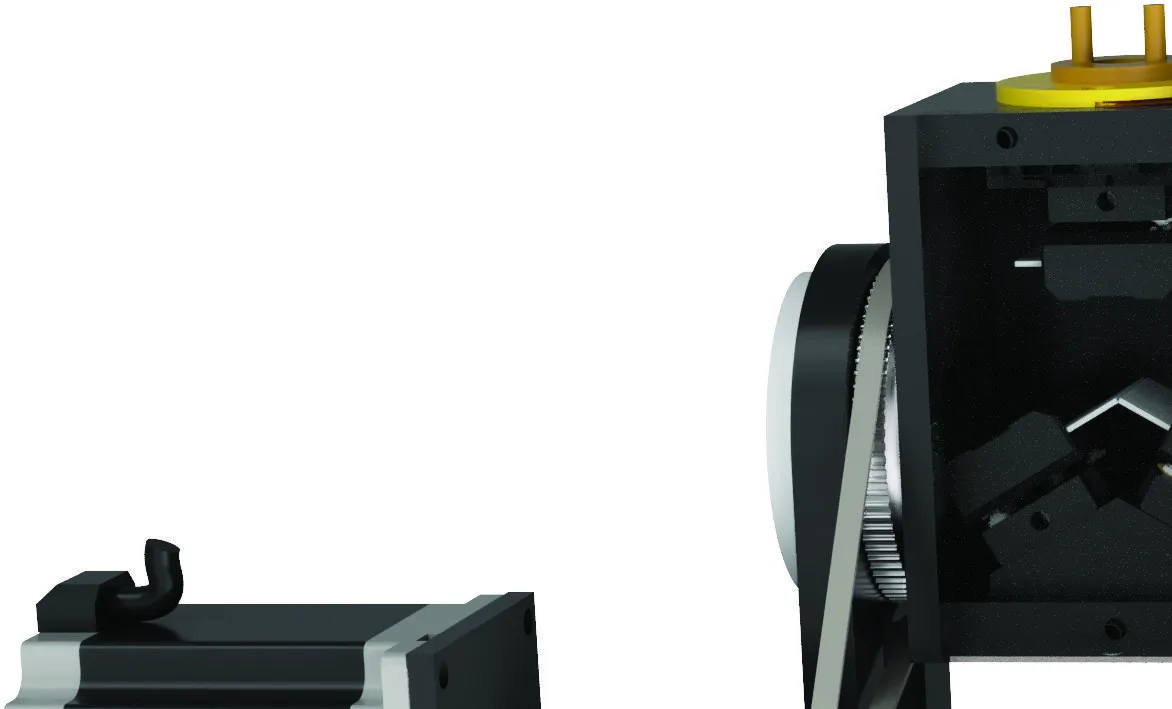
Light, like a shaken rope, oscillates in a specific plane. Astronomers and engineers often rotate images using a three-mirror system, the so-called K-mirror, but this inadvertently rotates the plane of oscillation as well. For precise measurements, that's a problem.
The authors of the new study found a simple fix: they placed a transparent plate before and after the mirror, each rotating the plane of oscillation, and made these plates spin at half the speed of the mirror itself. This way, all unwanted rotations cancel out, and the light exits with the same oscillation orientation as it entered.
This trick works for any mirror angle, any material, and any state of light. That means astronomers can see the sky more clearly, and quantum engineers can control light particles more precisely.
You can see light polarization through ordinary sunglasses: they only let through oscillations in one plane, making the sky appear darker.