Quantum Assistant Detects Rare Frauds express
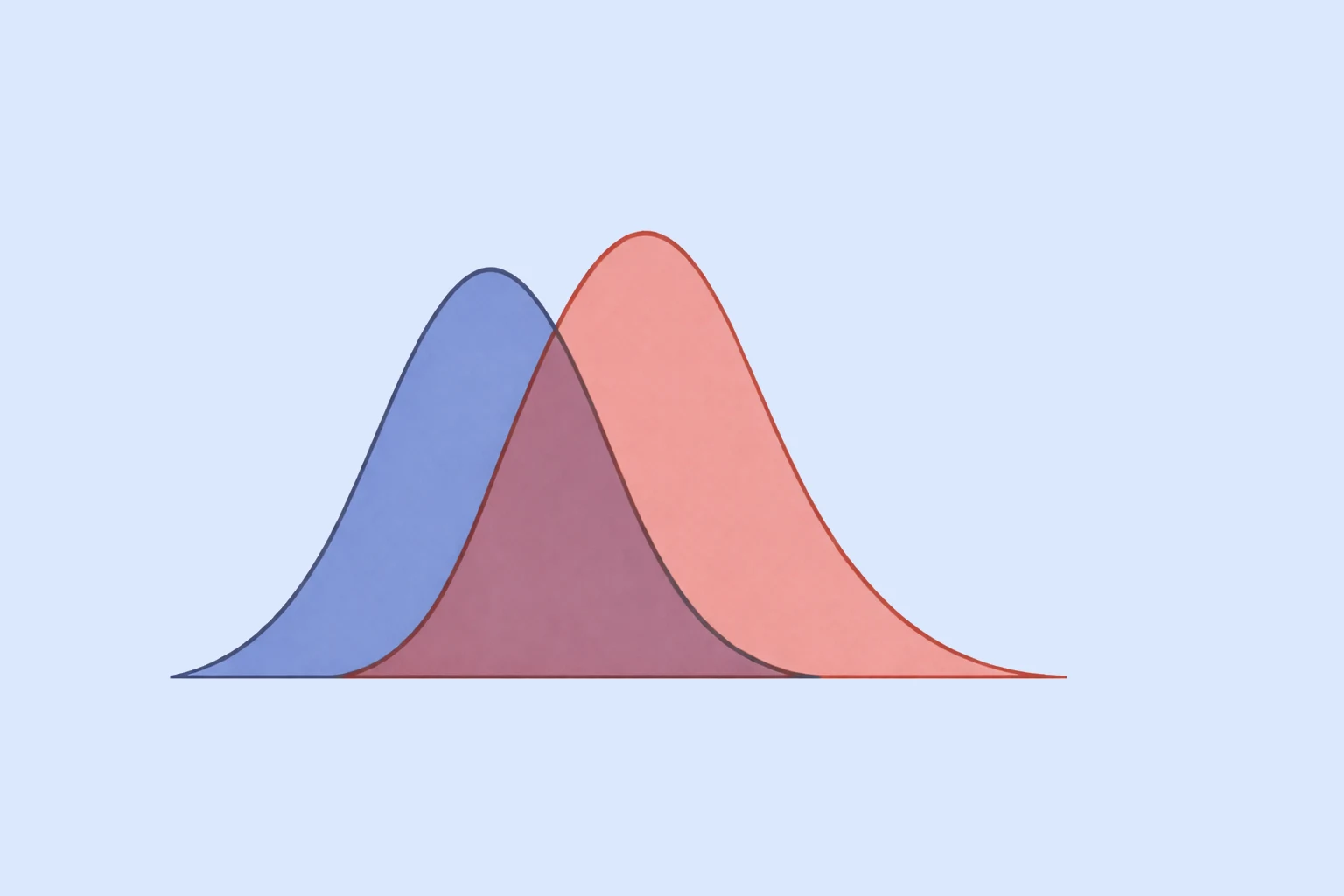
In the ocean of bank transactions, fraud is rarer than neutron stars in space, just 0.1% of all operations. A conventional detector gets used to the clean flow and loses vigilance.
Enter Q-SYNTH, a hybrid system with a quantum generator. It creates plausible fake transactions itself, drawing on scraps of real data. The quantum mechanism, inspired by the ideas of Alexei Kitaev, works like a supernova: from a small number of parameters, it unfolds a whole spectrum of new examples. These synthetic data are so high-quality that even the built-in “discriminator” sometimes can’t tell them from real ones.
Thanks to this, the detector learns to see hidden patterns. The artificial examples reduce entropy, a measure of chaos in the data, helping to pick up signals, akin to gravitational waves from invisible cataclysms. As a result, Q-SYNTH finds the sweet spot: it misses fewer real scams without overloading the bank with false alarms.
Only 0.1% of bank transactions are fraudulent. Without training on fakes, a detector almost always says 'clean' and misses rare but devastating scams.
The technology resembles a lie detector from the future, learning from fictional crimes to catch real ones.