Charging from Nothing express
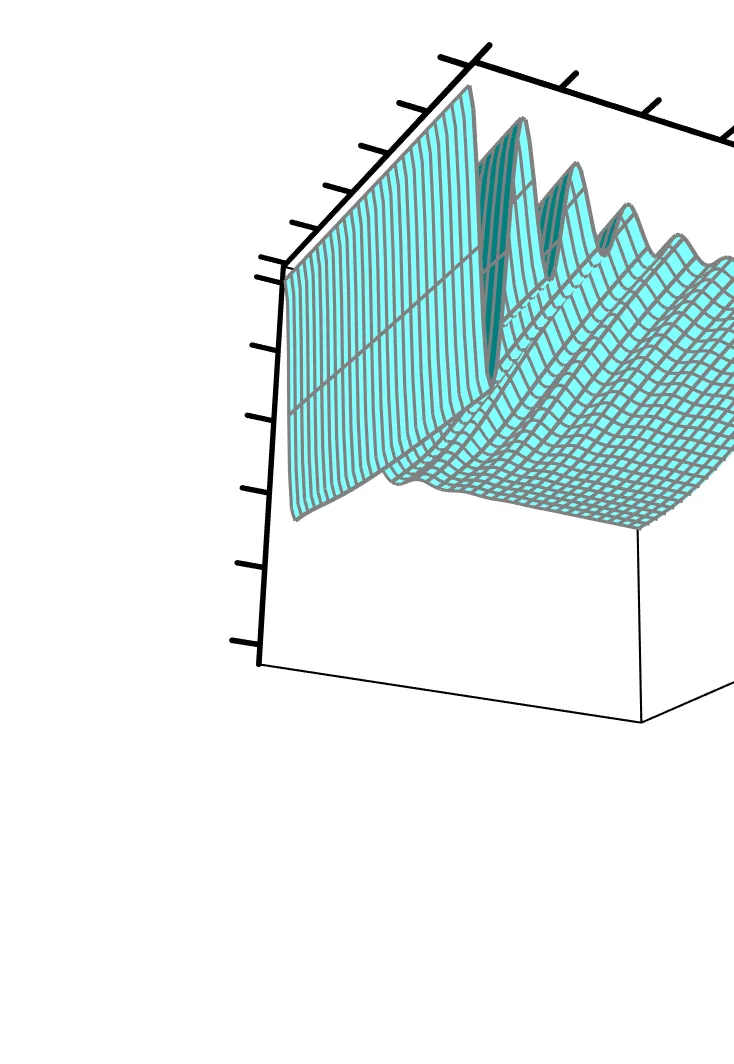
The void is never truly empty. In curved spacetime (for instance, in an expanding universe or near a black hole) the vacuum heats up. This is reminiscent of how acceleration makes particles appear seemingly out of nowhere: a phenomenon known as thermal vacuum radiation.
Physicists have built a model of a quantum battery that captures this heat. The battery is a tiny detector moving with acceleration through a quantum field. The work considers two types of curved spacetimes. One expands, like our universe. The other has the shape of a saddle with boundaries. In both cases, the battery gradually charges, extracting energy from the vacuum. The final energy reserve depends only on acceleration and curvature, not on the details of the surroundings.
This approach turns the battery into a tool for probing the thermal properties of the vacuum. It serves as a probe that senses the global temperature of spacetime, independent of local features. This is a step toward understanding how quantum mechanics and gravity work together.
Even in absolutely empty space, according to quantum theory, pairs of particles constantly pop in and out of existence. Acceleration or gravity can turn these virtual particles into real ones, creating thermal radiation.
In Stanislaw Lem's novel "Solaris," the ocean might draw energy from quantum vacuum fluctuations — an idea echoing quantum batteries powered by the very fabric of space.