Biofilm as a Living Knot: Threads That Breathe express
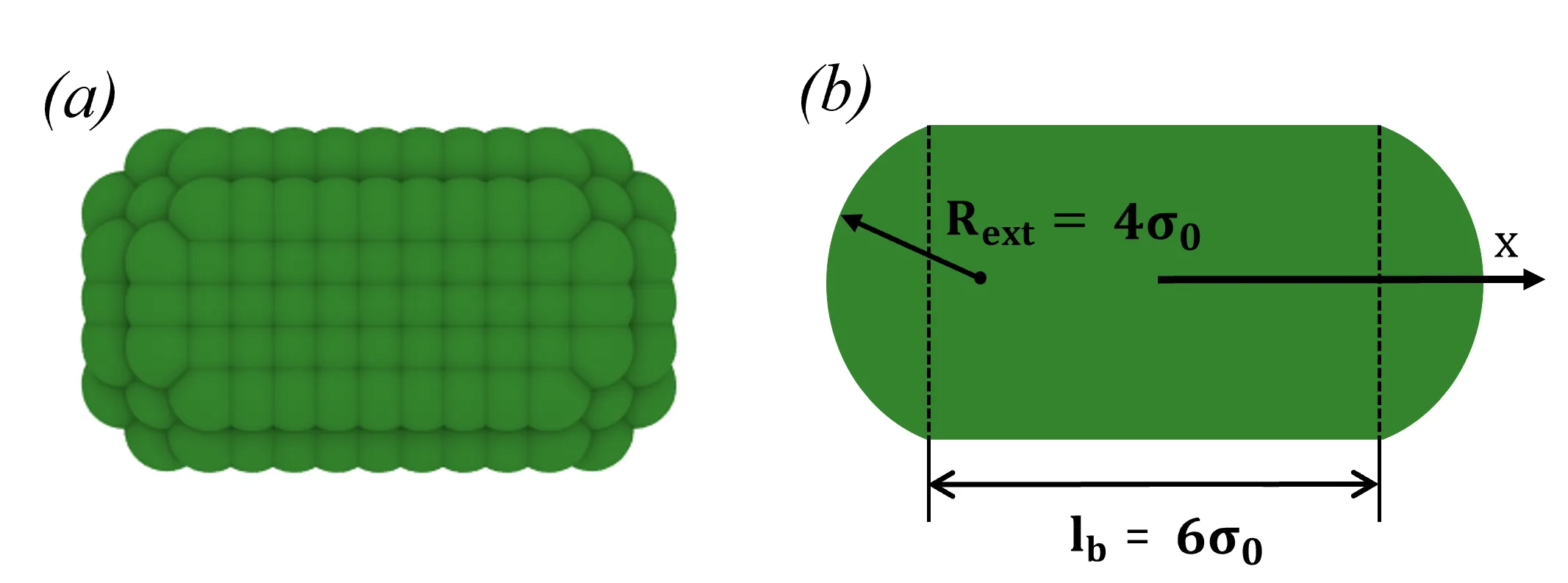
A bacterial biofilm is like a city made of slime. The houses are the microbes themselves. The streets and bridges are long polymer molecules that bacteria secrete outside. This whole construction is not static: the bridges are constantly breaking and re-forming.
The authors built a "toy" computer model of such a city. In it, each bacterium and each bridge molecule is a coarse-grained particle that moves according to simple physical rules. The bonds between them turn on and off according to probabilistic laws, as if a tiny traffic controller flips a switch at random moments. Stochastic switching allowed them to faithfully reproduce the living, breathing nature of a biofilm.
The result is a simple map of this struggle. If polymer-polymer bonds win, the slime becomes more homogeneous and elastic. If polymer-bacterium bonds take over, the microbes end up glued into a loose network. Understanding this rivalry is the first step toward predicting how a biofilm will flow in a pipe or detach from a surface.
A real biofilm can be ten times stronger than its individual polymer strands — precisely because the bonds within it constantly break and rearrange, dissipating energy.