Forgotten Layers: How New 2D Materials Were Found express
In chemistry's storeroom, records of substances no one thought were special gathered dust. It turns out that among them hide 2D materials — thin as a sheet of paper, but strong and with unexpected properties. Scientists ran a computer search through databases, and it pulled out 38 candidates that had not been recognized as 2D before.
Five of these materials were recreated in minutes using self-propagating synthesis: the mixture heats itself and turns into the desired substance, like dry firewood bursting into flame from a single match. No external heating is needed — the reaction runs on its own.
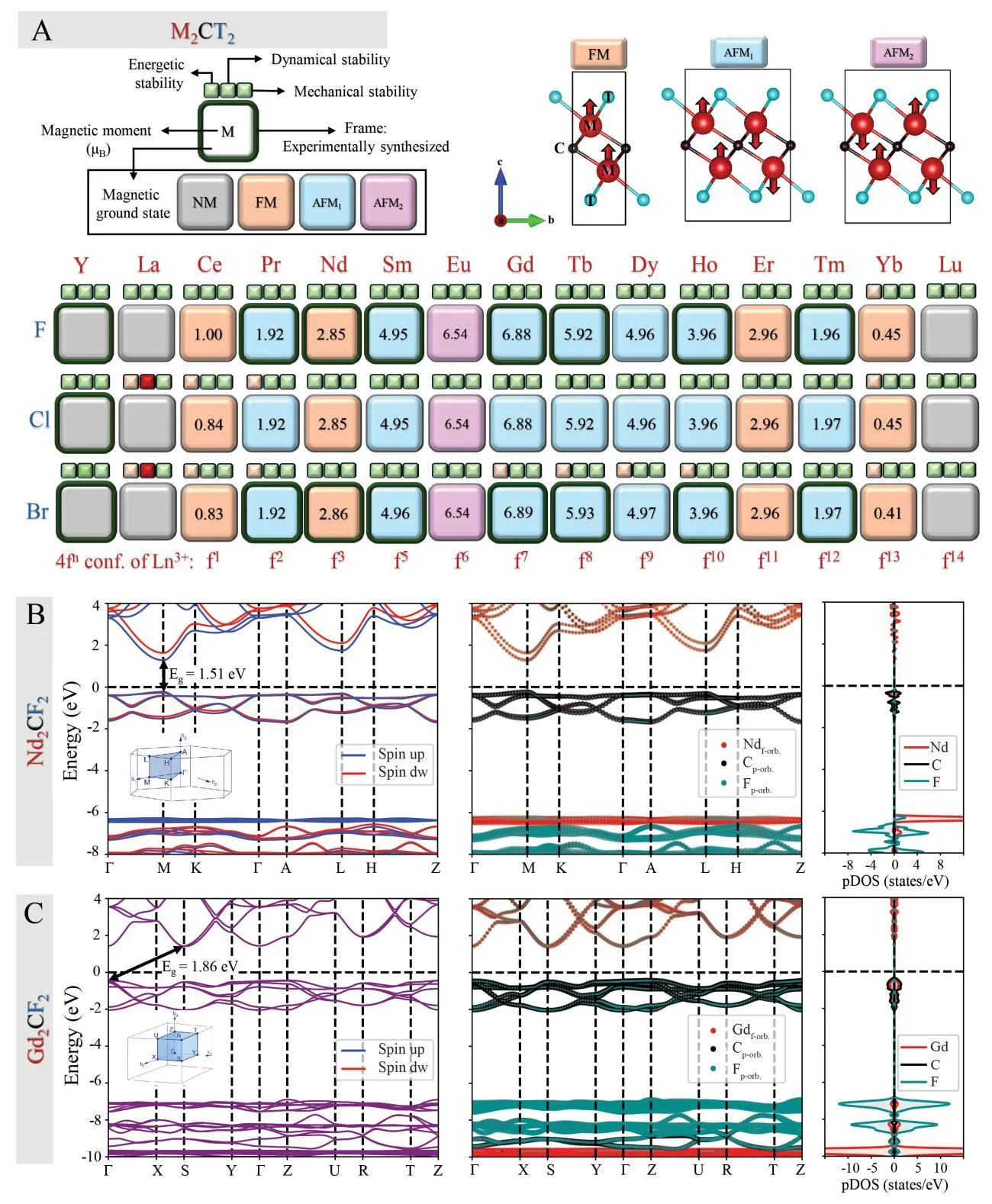
Inspired by the found compositions, researchers made 11 more new materials with rare-earth metals: those hiding at the bottom of the periodic table. They turned out to be semiconductors and magnets with different personalities. Now the family of 2D materials is broader, and the search for new ones is faster and cheaper.
Rare-earth metals are not actually that rare: thulium is more abundant in Earth's crust than silver, but it is hard to extract.