Bumps That Help Light Through express
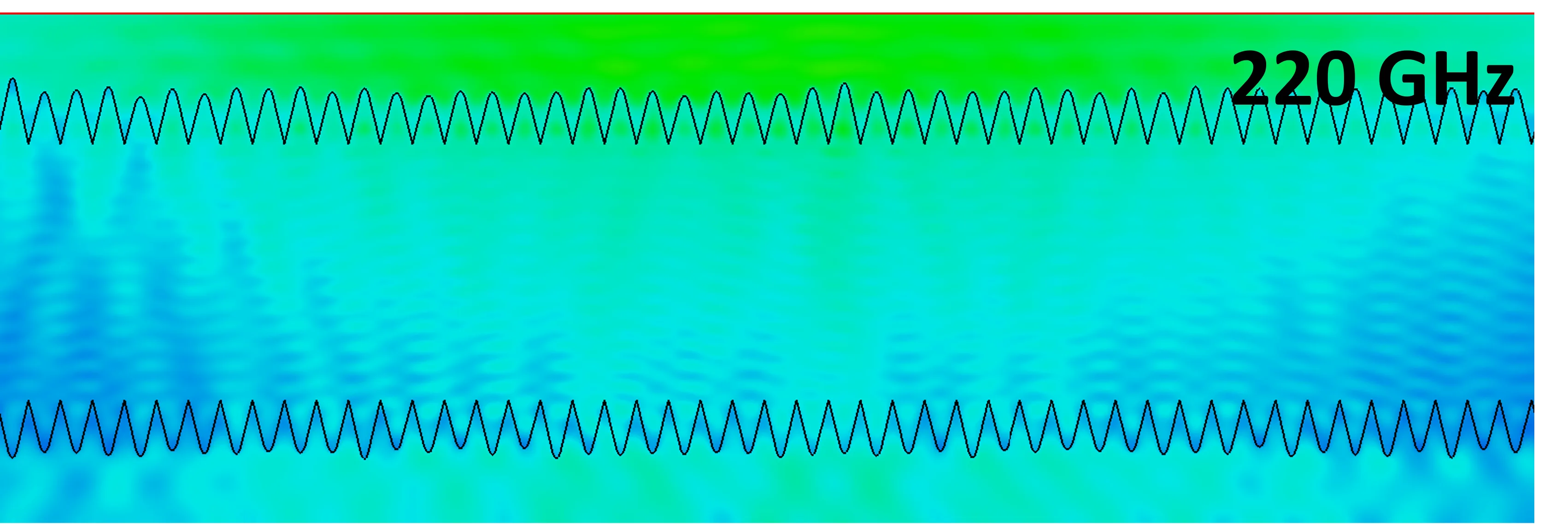
When light hits ordinary plastic, some of it reflects, like a glare on a window. To eliminate this glare, a special coating made of tiny structures is applied to the surface, which cancels out the reflection. These structures are called metamaterials: they are assembled from elements smaller than the wavelength of light and behave like a single material with unusual properties.
Previously, it was thought that all elements of the coating had to be perfectly identical. But in reality, during manufacturing or on curved surfaces, random deviations are inevitable. The authors of the study simulated a plastic sheet with a coating where the elements varied slightly in shape and position, as if they had been gently "shaken." It turned out that even noticeable randomness barely degrades transparency: light still passes through, and unwanted reflections remain weak.
This is good news for manufacturing: you don't need perfect precision to get transparent plastic. You can allow minor imperfections and still get a great result.
Anti-reflective coatings based on metamaterials are inspired by the structure of some insects' eyes: microscopic bumps on a moth's cornea suppress light reflection.