Quantum Duet: How Two Pendulums Catch a Shared Rhythm ✛
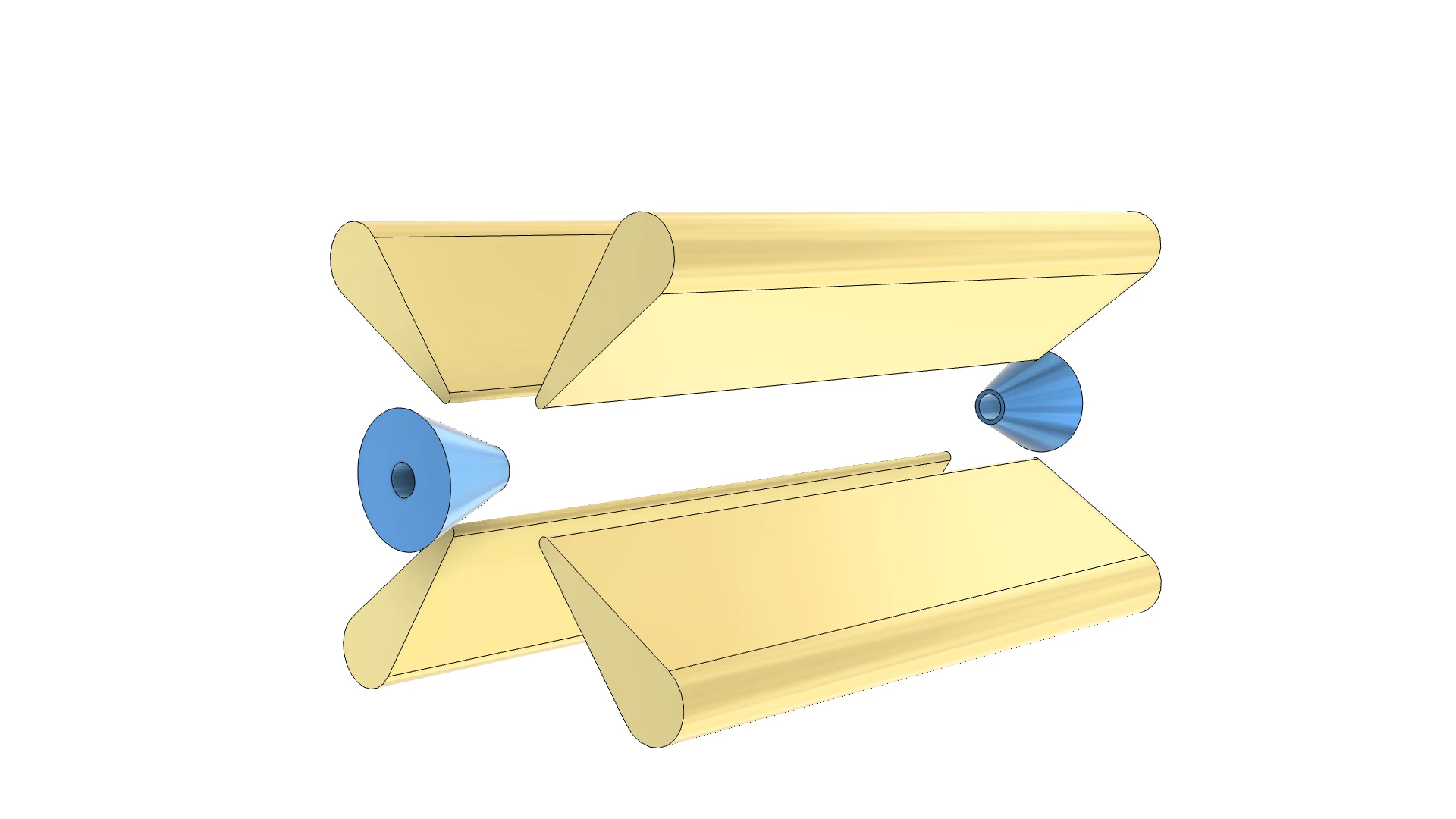
In 1665, Christiaan Huygens noticed that two pendulum clocks on the same wall began ticking in unison. The shared support transmits vibrations, and through energy dissipation they synchronize. Centuries later, the same trick was pulled off in the quantum world. Two single ions — tiny 'pendulums'—were cooled and placed in a trap. Using laser spectroscopy, they were given precisely measured energy losses: it's like loosening a string so it resonates with another. Synchronization emerged: the oscillation phases aligned perfectly. But there's a catch: you can only see the pair's dance by looking at both at once. Individually, each 'pendulum' seems unrelated. It's like listening to a violinist and a cellist separately: you can't tell the duet from a solo. However, by combining measurements, physicists can tune the shared rhythm and create ultra-sensitive detectors. The paradox: synchronization actually requires energy loss, not conservation — dissipation here is not a foe, but an ally.
Christiaan Huygens, who discovered clock synchronization, also developed the wave theory of light, a precursor to quantum physics.