Gravitational waves and galaxy maps measure the expansion of the Universe express
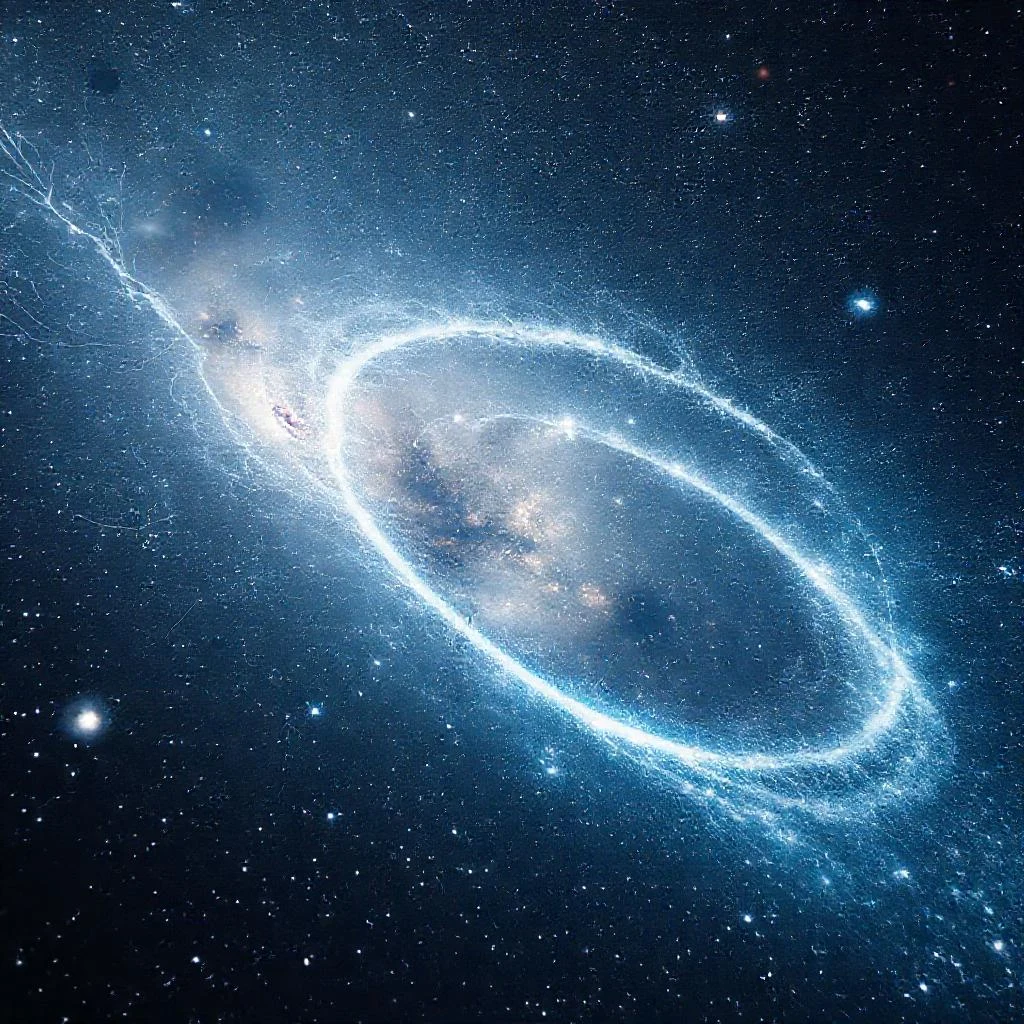
The Universe is expanding, and every galaxy cluster takes part in a grand dance. The tempo of this dance is set by the Hubble constant, first measured by Edwin Hubble nearly a century ago. Pinpointing the number is tough because you need a ruler that spans billions of light-years.
Now, 'cosmic drums' have joined the act — gravitational waves, which shake space itself when dead stars collide. They carry a distance signature without needing light. By matching the loudness of two such signals with maps of millions of galaxies, scientists caught the moment where dance and rhythm align. This correlation peak, with a 5.9 sigma confidence, gave the expansion rate: 67 kilometers per second per megaparsec (a galaxy 3 million light-years away races away from us at that speed).
Astoundingly, the method worked even when the exact location of one galaxy was unknown. Just two measurements opened the door to an independent cosmic ruler for the future.
In astronomy, distances are measured using objects of known brightness — they're called 'standard candles'. Gravitational waves work differently: their loudness directly tells the distance. That's why these sources are nicknamed 'standard sirens' — a cosmic sound that announces how far away it is.