Radio Reveals Star Birth in the Early Universe express
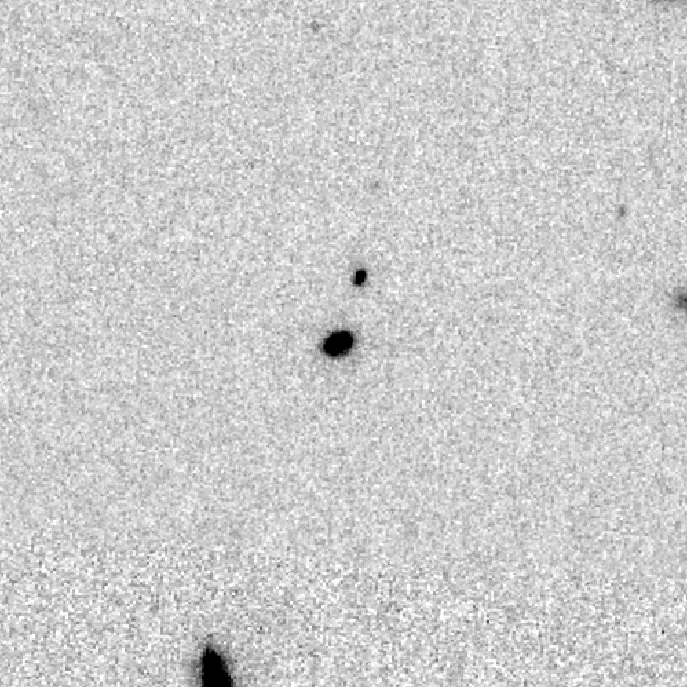
A radio telescope has caught signals from three galaxies that existed when the universe was less than a billion years old. Their radio glow is so powerful that each seems to be birthing a thousand suns per year in a short span. For comparison, our Milky Way produces only a couple of stars per year.
Initially, these galaxies were spotted in images from the Hubble and James Webb space telescopes: they looked unusually red due to their immense distance. Then spectroscopy confirmed that their light has been traveling for 12.8–13.1 billion years. Next, radio telescopes took over and showed that all the emission is created by stars, not by a black hole at the center.
Two of the three galaxies have a ragged, multi-component shape. They appear to have just undergone a collision with a neighbor, and that collision compressed gas, triggering an avalanche of star formation. This is how the first large clusters of stars ignited in the early universe.
Light from these galaxies has been traveling for nearly 13 billion years — three times the age of Earth.