Quantum Batteries Charge with Explosions in a Time Loop express
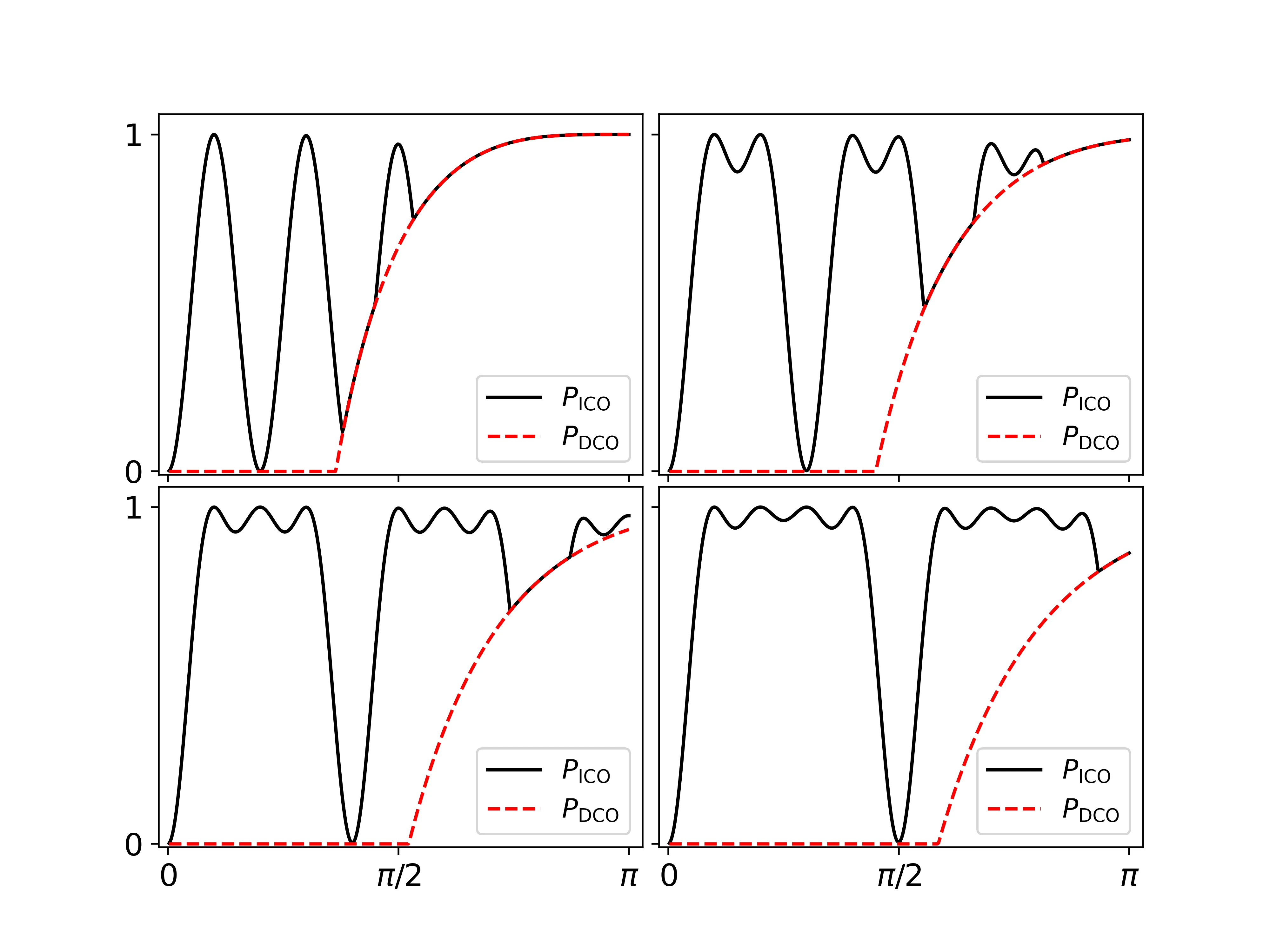
In quantum batteries, charging can be accelerated by shuffling the steps in time, like a deck of cards. Instead of a smooth energy climb, you get abrupt efficiency explosions, like microscopic supernovae inside atoms. These bursts repeat with the precision of cosmic pulsars, only billions of times more frequent.
Experiments on IonQ, Quantinuum, and IBM quantum processors show that the more chargers are looped, the longer the peaks last. Surprisingly, thermal chaos, which kills charge in regular batteries, here helps store energy. This points toward ultra-fast batteries for nanodevices — for instance, implants powered by a single flash.
Thermal motion of particles, entropy, usually makes batteries lose energy. Here, this chaos becomes an ally, speeding up charging.