18 Years Later: A Supernova Lights Up the Radio express
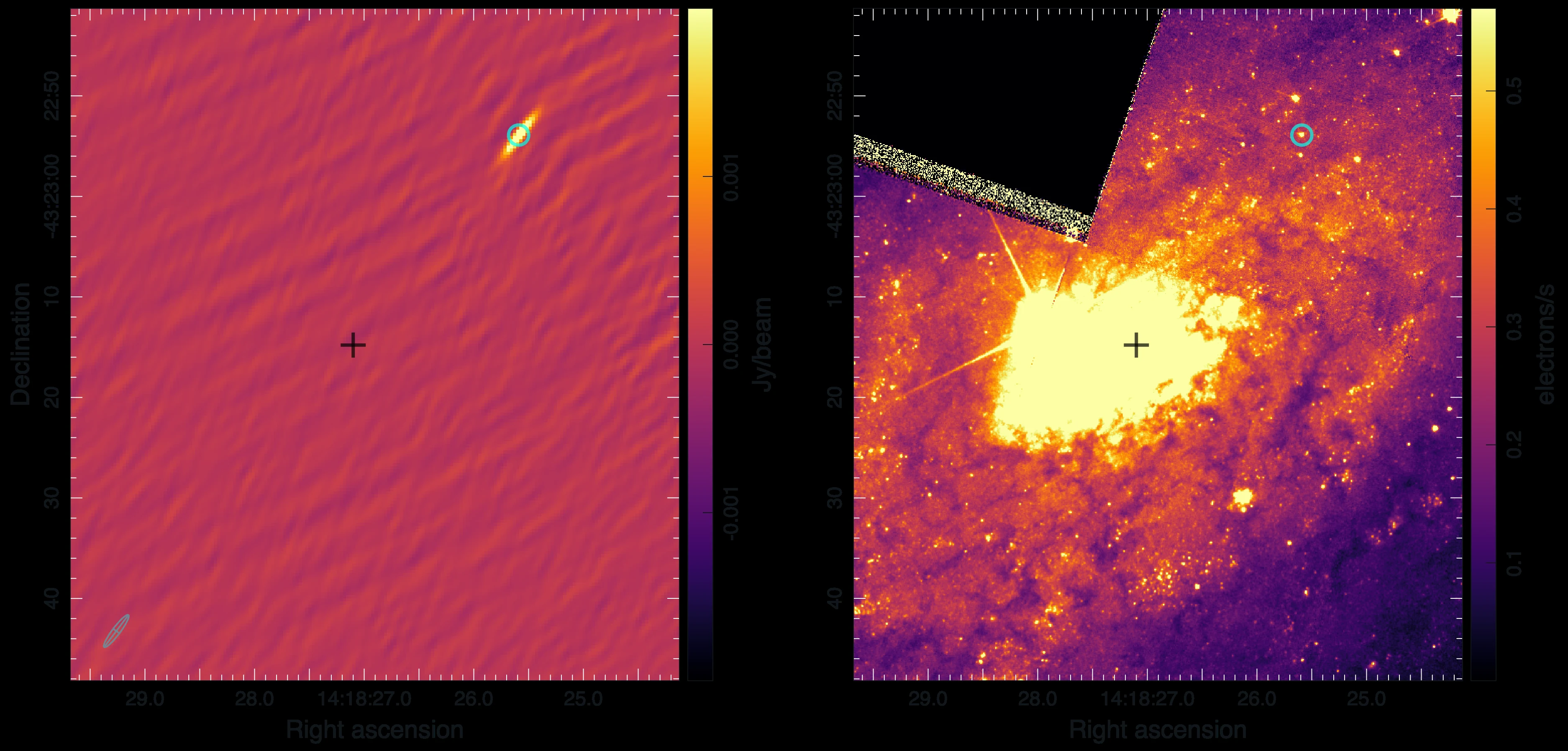
A supernova explosion is the death of a massive star, leaving behind a gas cloud. If there's plenty of hydrogen around, the shock wave spreads like an echo from a distant gunshot. For supernova SN 2007it, that echo arrived 18 years later: the wave finally slammed into a dense clump of material ejected by the star before the explosion, triggering radio emission. The ATCA telescope caught the radio signal. Brightness measurements showed the emission is rapidly brightening.
The discovery explains how stars shed mass before the final blast, scattering raw materials for new worlds across the cosmos. This is the first time a supernova has given a radio echo with such a delay.
The signal was so unexpected that it was almost dismissed as radio interference, and only a data check confirmed it: a supernova, finally speaking up after 18 years.