Quantum Computer Learns to Play Without a False Note express
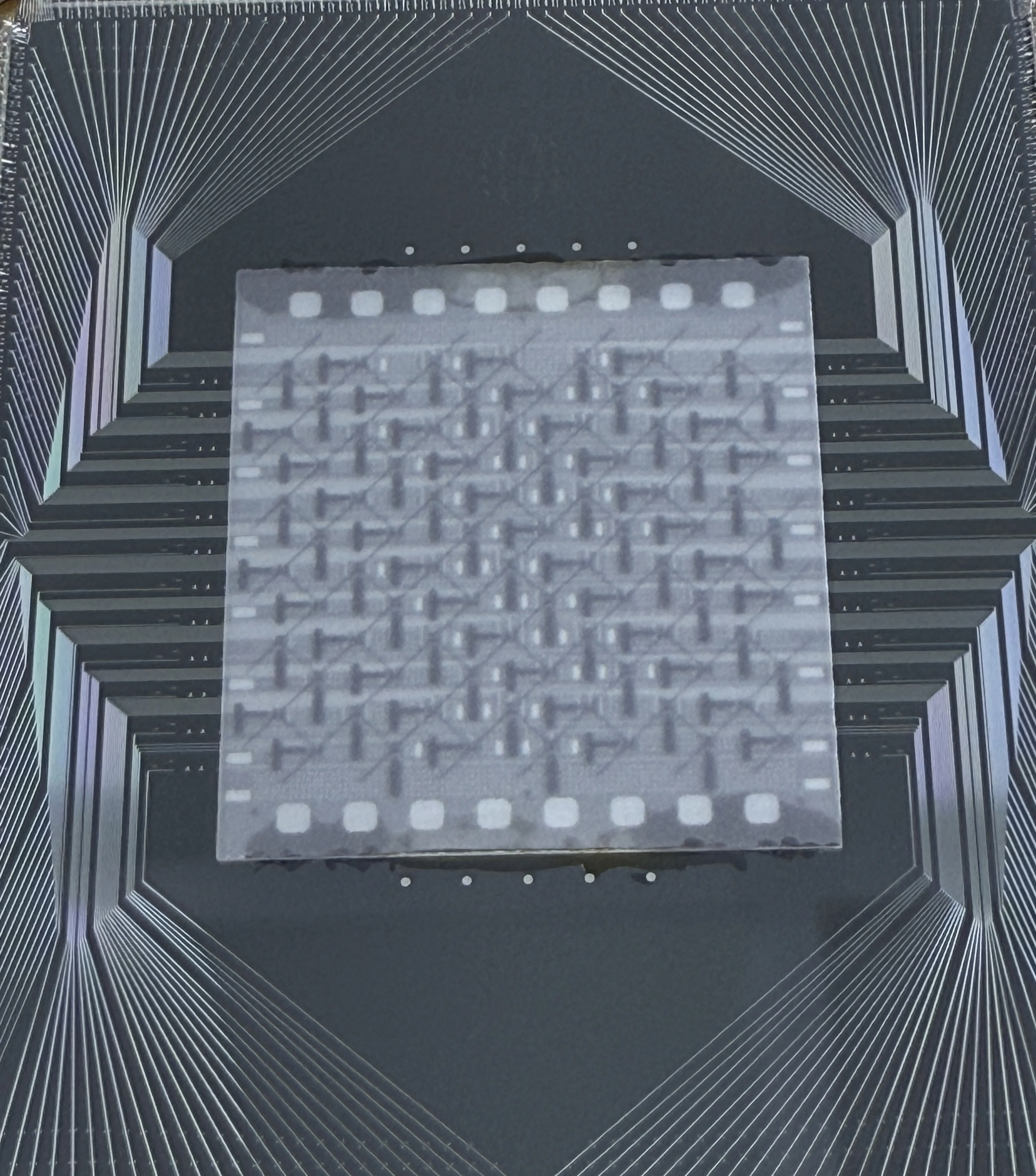
Quantum computing suffers from 'false notes' — errors that arise from the slightest inaccuracy. Now they are eliminated with the precision of tuning a concert grand piano. The idea traces back to the dreams of pioneers — David Deutsch and Peter Shor — of flawless operations.
The method works like an ideal tuner: it captures dissonances and instantly corrects parameters. Special circuits amplify the error signal, like highlighting an out-of-tune string. This is a quantum analog of spectroscopy — analyzing the 'spectrum' of glitches instead of light. Accuracy reached 99.9%, and systematic error plummeted to 0.007% (like a clock that loses a second every six months). Errors generate entropy — a measure of disorder; the new method almost eliminates it.
An unexpected result: the autonomous adjustment remained stable for 9 hours without human intervention.
Superconducting qubits operate at 0.01 Kelvin — colder than the darkest corners of space, and 300 times frostier than open space.
Science fiction writers envisioned quantum computers as the brains of starships and simulators of reality — for example, in Dan Simmons' 'Hyperion'.