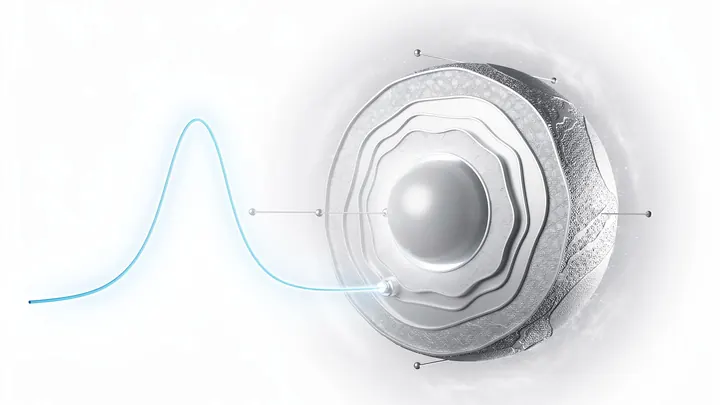
A free electron is an electron that is not bound to an atom, molecule, or crystal lattice. In solid-state physics, it serves as the ultimate reference point: the mass of a free electron (m₀) is the baseline against which the 'effective mass' of electrons moving through a crystal is measured. When an electron travels through a semiconductor or metal, its response to electric fields is altered by the periodic potential of the lattice, making it behave as if it had a different mass — sometimes lighter, sometimes heavier, and in exotic cases even negative. The free electron is the clean, unperturbed case from which all these deviations are defined.
التاريخ
The concept of effective mass was introduced in the 1920s by Rudolf Peierls and Felix Bloch as quantum mechanics was being applied to solids. The free electron itself was identified earlier, with J.J. Thomson's discovery of the electron in 1897 establishing it as a fundamental particle.
كيف يعمل
In a vacuum, an electron obeys Newton's laws with its rest mass, and its energy-momentum relation is simply E = p²/2m₀. Inside a crystal, the electron's energy-momentum relation becomes more complex, with band structures and gaps. Physicists approximate this by writing E = p²/2m*, where m* is the effective mass — a parameter that captures how the lattice modifies the electron's dynamics. The free electron mass m₀ is the constant against which m* is compared, often expressed as a ratio like m*/m₀ = 0.5 or 1.2.
في التطبيق
The free electron mass is used as a standard in semiconductor physics, where engineers design transistors and diodes by tuning effective masses through material choice and doping. It also appears in the calculation of plasma frequencies and in the Drude model of electrical conduction in metals.
حقيقة طريفة
In graphene, electrons behave as massless particles with an effective mass of zero, moving at a constant speed of about 1/300 the speed of light — a behavior that earned its discoverers the 2010 Nobel Prize in Physics.
في محلول مائي تسبح كريات مجهرية — جسيمات غروية. كل كرة مغطاة بسلاسل بوليمرية طويلة تشكل ما يشبه الفرشاة، وتحمل شحنة كهربائية. عند درجة حرارة وتركيب معينين للمحلول، تصطف هذه الجسيمات تلقائيًا في هياكل منتظمة — بلورات غروية. لكن النظام نفسه يمكن أن يشكل أنواعًا مختلفة من الترتيب: كثيفًا مثل البرتقال في صندوق، أو فضفاضًا مثل الفقاعات في الرغوة.
في صفٍّ متقارب من الذرات، تصطف على مسافات أصغر من طول موجة الضوء، تكمن حالة مدهشة. يتوزع الإثارة على جميع الجسيمات بحيث يلغي إشعاعها نفسه بنفسه — هذه حالة دون إشعاعية، "صمت" كمومي جماعي. إنها خزنة مثالية لـ فوتون — كمية الضوء: يمكن أن يبقى فيها أطول بمئات المرات من المعتاد.
شعاع مصباح يدوي يخترق الضباب. كلما كان الضباب أكثر كثافة، زاد تشتت الضوء وتأخر وصوله إلى العين. مبدأ مشابه يعمل مع ومضات الراديو السريعة، وهي نبضات غامضة فائقة القوة من مجرات بعيدة. تتفاعل موجاتها الراديوية، أثناء مرورها عبر الفضاء الكوني، مع الإلكترونات الحرة، وهي جسيمات منفصلة عن الذرات. هذا التفاعل يؤخر الإشارة: فكلما زاد عدد الإلكترونات في المسار، زاد التأخير.
في عام 1998، فاجأت النيوترينوات الفيزيائيين: الجسيم يغير نوعه أثناء الطيران. هذا ممكن فقط إذا كانت له كتلة. أصبح هذا الدليل المخبري الوحيد على فيزياء خارج النموذج القياسي. لكن كم تزن النيوترينوات بالضبط لا يزال لغزًا. التجارب المباشرة، مثل منشأة KATRIN العملاقة في ألمانيا، تقول: كتلة نيوترينو الإلكترون أقل من 0.45 إلكترون فولت.
يمكن تشبيه قلب النجم النيوتروني بوتر مشدود ذي كثافة فائقة القوة. الصوت الذي يجري عبره هو اهتزازات الضغط، وسرعته $$c_s$$ تكشف عن صلابة المادة. بحث جديد يظهر أن هذا الوتر الكوني لا يطن بنغمة رتيبة. في البداية، يشتد بقوة حتى يصل إلى 70% من سرعة الضوء، ثم يرتخي، ويهدأ ليصل إلى حد المطابقة الكونية الهادئ.
وُضعت ورقتان رفيعتان مرسوم عليهما خلايا سداسية فوق بعضهما ودُوِّرتا قليلًا. ينشأ نمط جديد — تموّج (moiré) يشبه لمعة الحرير. تقريبًا هكذا تصرفت الإلكترونات في التجربة: اصطفّت في طبقتين، وكانت إحداهما منزاحة عن الأخرى بمقدار 30 درجة بالضبط.
تتصرف الإلكترونات ككائنات خجولة: حتى في حالة السكون التام لا تبقى مكانها، بل تهتز باستمرار.
راحة اليد فوق موقد ساخن تشعر بالحرارة حتى عندما يبدو الهواء المحيط باردًا. شيء مشابه يحدث للإلكترونات في تأثير أهارونوف-بوم: الجسيم يشعر بالجهد الكهربائي رغم دخوله منطقة أُطفئ فيها المجال بالفعل. النسخة الكهربائية من التأثير — عندما يتغير الجهد (الجهد القياسي) مع الزمن ويُزاح طور موجة الإلكترون — ظلت حتى الآن حبرًا على ورق. لم يقم أحد بتجربة مع جهود محمية ومتغيرة زمنيًا.
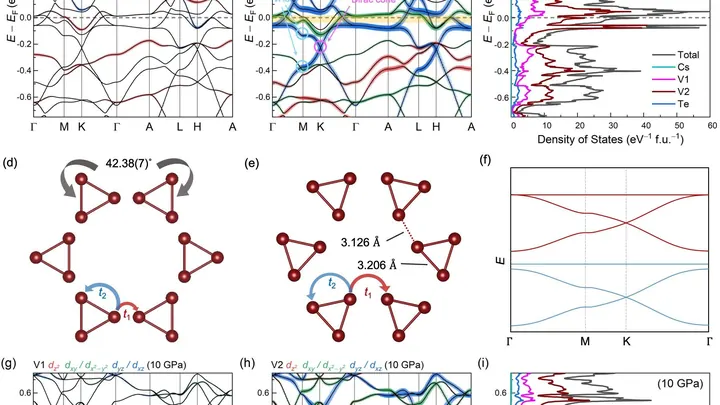
السلة المنسوجة من أغصان الصفصاف تحافظ على شكلها بفضل التشابك. نمط مشابه — مثلثات متشابكة في شبكة مسطحة — تم اكتشافه في بلورة جديدة صيغتها Cs₃V₉Te₁₃. هنا، تشكل ذرات الفاناديوم مجموعتين من المثلثات التي تخترق بعضها البعض، مثل الخيوط في النسيج.
هذا النمط ليس جميلاً فحسب، بل يجعل الإلكترونات تتحرك على مسارات طاقة "مسطحة" خاصة.
النيوترينوات جسيمات صغيرة تخترق الأرض دون أن تكاد تلاحظها. في تجربة MicroBooNE، تُلتقط هذه الجسيمات داخل خزان من الأرجون السائل. عندما يصطدم نيوترينو بنواة أرجون، تنشأ إلكترون وبروتونات — مثل رذاذ الماء المتطاير عند رمي حجر في بركة.
قاس العلماء اتجاهات وطاقات هذه الجسيمات. اتضح أن النماذج تتنبأ جيدًا بسلوك الإلكترون، لكنها تخطئ في زوايا انطلاق البروتونات.