Topological quantum computation is a model of quantum computing that uses anyons—quasiparticles that exist only in two-dimensional systems—to store and process information. Unlike ordinary particles, anyons have exotic statistics: when two are exchanged, their quantum state changes by a phase or a unitary transformation that depends on the topology of the exchange path, not the details of the trajectory. This topological property makes the information encoded in the braiding of anyons inherently robust against local perturbations, such as noise or decoherence, because the information is stored non-locally in the global structure of the braid.
التاريخ
The idea was proposed in the late 1990s by Alexei Kitaev and, independently, by Michael Freedman and collaborators, building on earlier work on anyons and topological quantum field theory. Kitaev's 1997 paper on fault-tolerant quantum computation with anyons laid the foundation, and the concept has since been developed theoretically and experimentally.
كيف يعمل
In a topological quantum computer, qubits are encoded in the collective state of a set of anyons, and quantum gates are performed by braiding the anyons around each other in a specific sequence. The result of a computation is determined by the topology of the braid, which is insensitive to small disturbances in the positions or interactions of the anyons. This provides a natural form of error correction: as long as the anyons are kept far apart and the temperature is low enough to prevent unwanted anyon pairs, the quantum information remains protected. The final readout is done by bringing anyons together and measuring their fusion outcomes, which reveals the result of the computation.
في التطبيق
Topological quantum computation is a leading candidate for building fault-tolerant quantum computers, and it is being pursued by companies like Microsoft, which has invested in research on Majorana fermions—a type of anyon—in semiconductor-superconductor heterostructures.
حقيقة طريفة
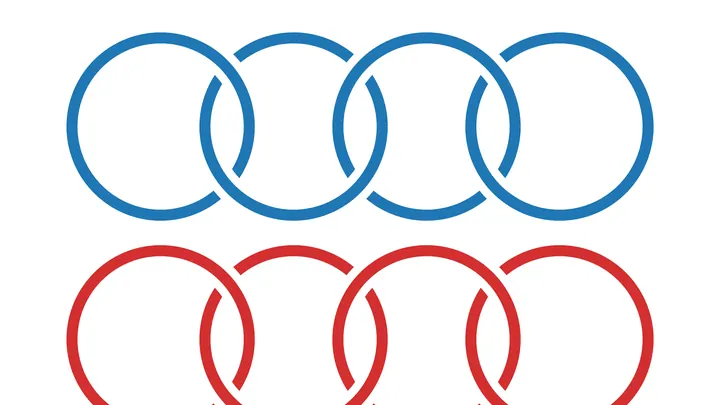
The braiding of anyons in topological quantum computation is mathematically equivalent to the braid group, which is also used to describe how strands of hair or rope can be intertwined, but in this case, the braids perform logical operations.
العالم الكمومي مليء بالمفاجآت: إذا تبادل إلكترونان مكانيهما، فإن دالتهما الموجية المشتركة تغير إشارتها فقط، وإذا تبادل فوتونان مكانيهما فلا يحدث شيء إطلاقًا. لكن هناك جسيمات تتصرف بشكل مختلف تمامًا عند تبادل الأماكن، وكأنها تتذكر أنه تمت إعادة ترتيبها. تسمى هذه الجسيمات إنيونات (anyons)، وهي لا توجد إلا في العالم ثنائي الأبعاد.
شعاع الليزر لا يعرف فقط كيف يسخّن، بل يعرف أيضًا كيف يهدّئ الحركة. عندما يدخل الضوء إلى مصيدة من المرايا، فإنه يضغط عليها — وإذا ضُبط لون الشعاع بشكل صحيح، يتحول الضغط إلى كبح لطيف. هكذا تُبرَّد الاهتزازات الميكانيكية الدقيقة حتى قرب الصفر المطلق. عادةً، يتم ذلك ببساطة عن طريق اختيار لون ثابت لليزر وقوة توهجه.
مؤلفو العمل الجديد حوّلوا الضبط إلى رقصة.
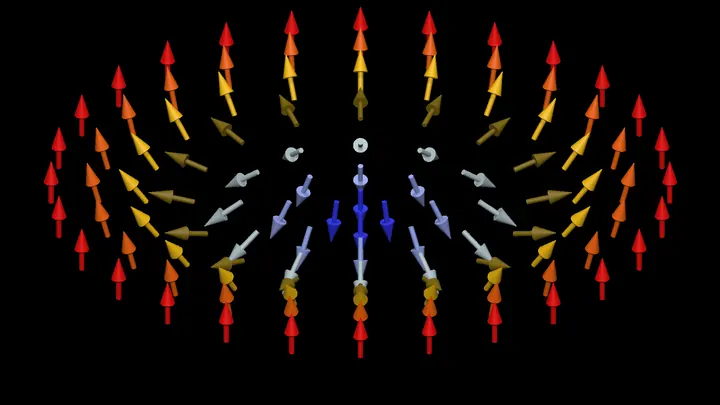
قطعنا سلسلة مغزلية — فظهرت على الأطراف جسيمات بلا فجوة طاقية. تُعرف هذه بالأنماط الصفرية، ولا تعيش إلا على الحدود. سابقًا، كانت تُحسب عبر ثوابت طوبولوجية معقدة، لكن الآن ظهرت طريقة أبسط.
اقترح مؤلفو العمل استخدام انحناء بيري الأعلى — وهو كائن رياضي يستشعر هندسة الحالة الكمية.
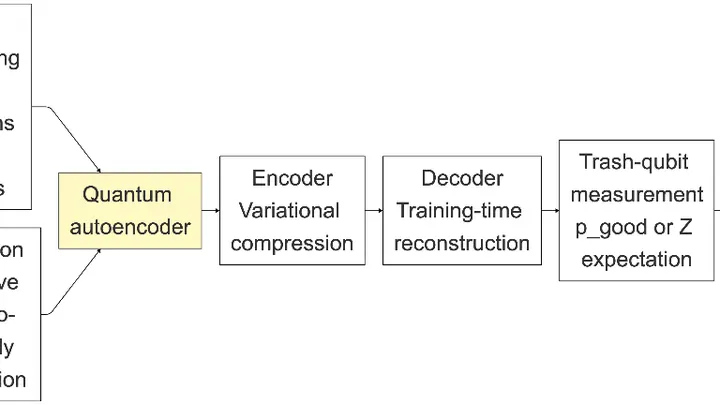
يمضي الطباخ سنوات في صقل مهارة اختزال الوصفة إلى ثلاثة أو أربعة عناصر جوهرية، ثم يعيد إعداد الطبق منها. إذا كان المزيج مألوفًا، يحصل على الوجبة المتوقعة. أما المكون الغريب فيُعطل الانضغاط، وتكون النتيجة شيئًا غير مفهوم. الضاغط الكمومي يفعل الشيء نفسه مع الصور الطبية. فهو يُجزئ الصورة إلى قصاصات صغيرة، ويُحولها إلى شيفرة مجردة، ويتدرب على عينات سليمة، خافضًا الإنتروبيا — أي المخلفات المعلوماتية.
المحاكي الكمي القائم على المصيدة الأيونية يشبه أوركسترا، حيث كل أيون هو عازف، والناقل الصوتي (الاهتزازات الجماعية) هو قائد الأوركسترا الذي ينقل الإشارات. طالما يعزف الجميع لحنًا واحدًا، يسير كل شيء بسلاسة. لكن إذا طُلب من العازفين أداء مقطوعتين مختلفتين في الوقت نفسه، يبدأ قائد الأوركسترا في الاضطراب — تنشأ تشويشات تشوه الصوت.
في مصيدة كهرومغناطيسية، شكل الباحثون بلورة أيونية — بنية منتظمة من 150 أيونًا مبردًا إلى درجات حرارة منخفضة للغاية درجات الحرارة. كل أيون يتصرف كمغناطيس أولي، لفه المغزلي هو متجه يمكن توجيهه في الفضاء بحرية.
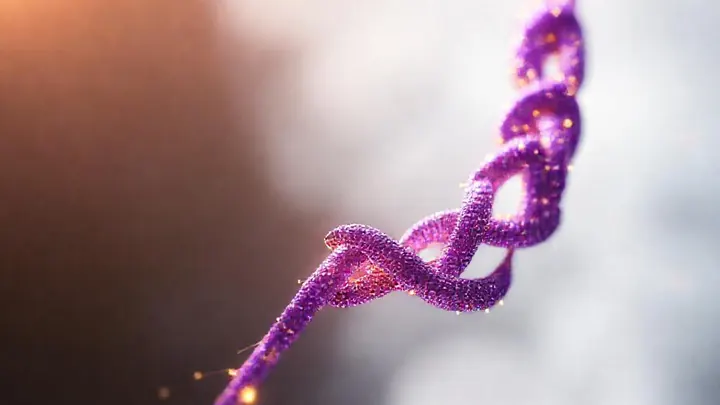
الحاسوب الكمومي ينسج من الكيوبتات ما يشبه الخيط، حيث كل عقدة هي جسيم، والرابط بينها هو تشابك. عندما يقيس الفيزيائي كيوبتًا، يتغير الخيط: يتمزق في مكان، ويُخاط في آخر، وأحيانًا تظهر عليه لفة. وجد مؤلفو العمل الجديد قواعد دقيقة لهذه التحولات لأبسط سلسلة — الخطية، حيث تُرتب الكيوبتات في صف.
الذرات، مثل الخيوط في ضفيرة متقنة، تخضع لقاعدة صارمة: إذا كانت إحدى الخيوط «مشحونة» — أي مثارة إلى حالة عالية الطاقة — يجب على الجارات أن تلتزم الصمت وتبقى غير مثارة. هذه الظاهرة — حصار ريدبيرج (تأثير كبح الإثارة المتزامنة للذرات المتقاربة) — تتيح نسج أنماط كمومية مستقرة حيث تعرف كل ذرة مكانها.
في قلب الموصل الفائق، تندمج الإلكترونات لتكوين أزواج كوبر وتتحرك دون مقاومة. ولكن إذا نشأت دوامة في هذا النظام المثالي — وهي منطقة صغيرة تختفي فيها الموصلية الفائقة — تظهر هناك إثارات خاصة: شبه جسيمات بوغوليوبوف. لفترة طويلة، اعتُبرت مرشحة لتكون فرميونات ماجورانا، وهي جسيمات تعتبر جسيمات مضادة لنفسها.