How to Keep a Supercomputer from Gridlock ✎ express
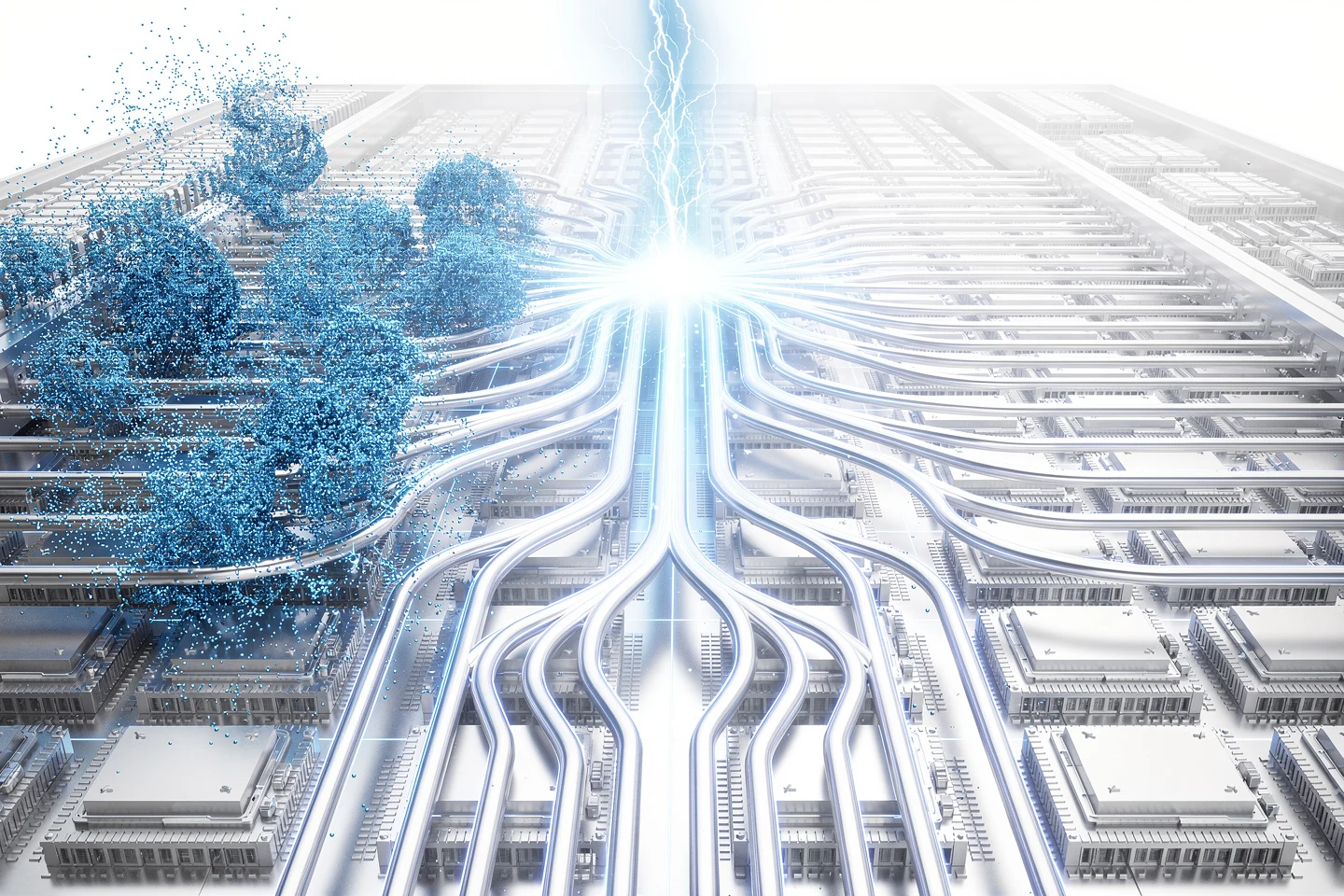
A supercomputer simulating laser plasma is like a kitchen where hundreds of chefs are preparing a single dish. If ten people crowd around one stove while another stands empty, the work grinds to a halt. The same happens in simulations: plasma particles bunch up in certain regions of space, leaving others nearly empty. Processors assigned to the 'hot' zones work at full tilt, while the rest wait.
The authors of the study proposed cutting each computational cell into small chunks, like dicing vegetables for a salad so each chef gets a handful. These chunks are dynamically handed out to free processor threads. If one region gets too crowded, the chunks are split even finer and redistributed. This way, the load balances itself without manual tuning.
This means the same calculations can be done on fewer computers or in less time. For physicists studying quantum cascades in extreme laser fields, this speed is a chance to test hypotheses faster and move toward new discoveries.
In one test, the processor load changed every few microseconds of simulated time, as if a checkout line were rearranging itself dozens of times per second.
In Liu Cixin's novel 'The Three-Body Problem,' aliens solve a similar problem of distributed computing, but on a galactic scale.