Hydrogen Atmospheres on Scorching Planets: The Volcano Secret express
Many planets around other stars — exoplanets — have elongated orbits. With each close approach, the star’s gravity squeezes and stretches them, like kneading dough. Friction heats up the interior to the point where rock melts, creating underground oceans of magma.
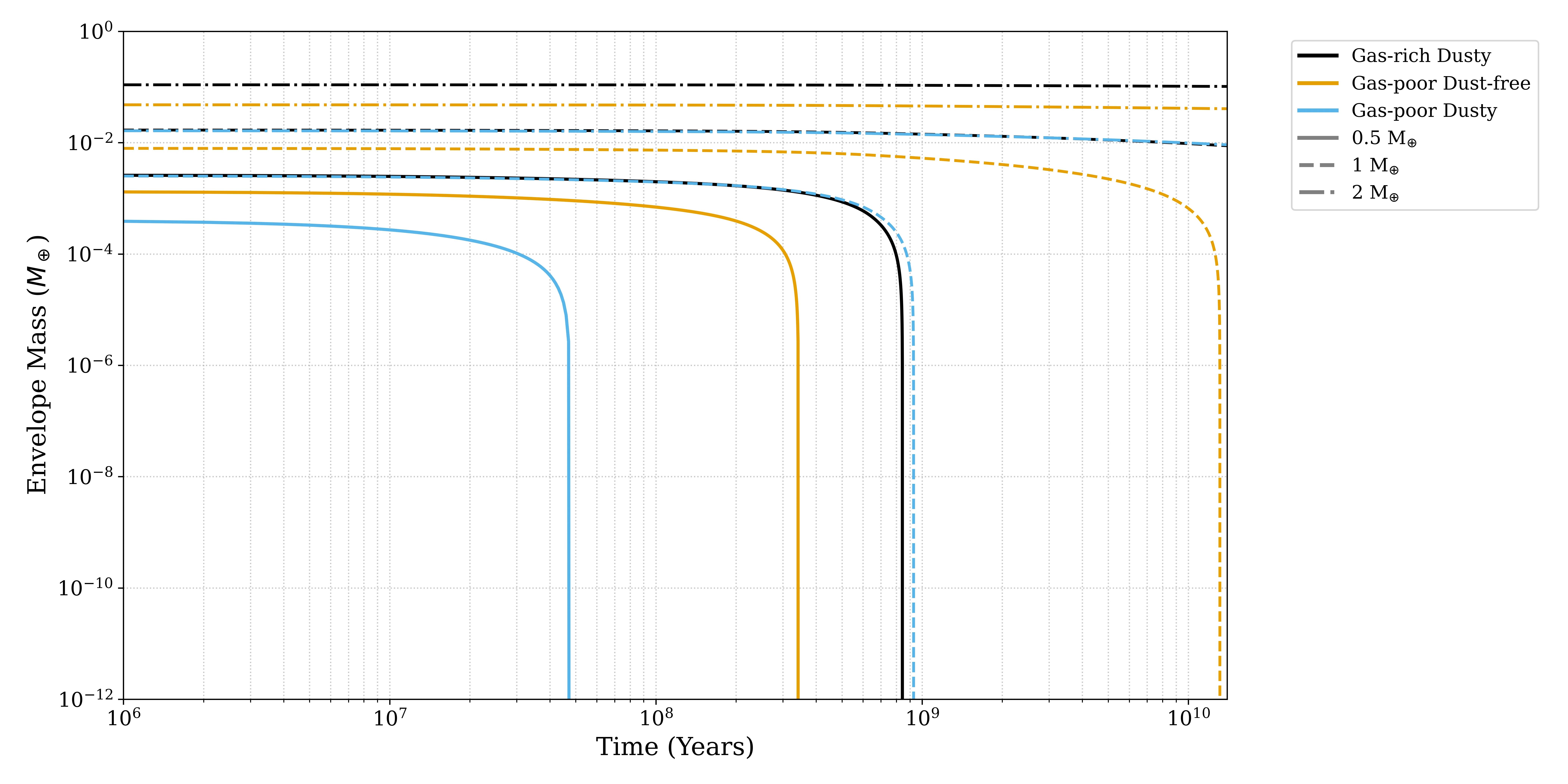
In this scorching mix, water from minerals breaks apart and releases hydrogen. The lightweight gas tries to escape, like steam from a pot, but non-stop volcanic eruptions belch out fresh supplies. The planet resembles a boiling soup: evaporation is offset by adding broth. This sustains a thin hydrogen envelope that would otherwise be whisked away into space.
James Webb detects such worlds when they pass in front of the star’s disk. The transmission spectroscopy method reveals absorption in a hydrogen haze — a sign of relentless volcanism. If there’s no envelope, then the interior has little water or the magma has cooled. Most remarkably, from the thickness of this layer, astronomers can gauge the eruption strength on a planet they’ll never see through a telescope.
On Jupiter’s moon Io, tidal heating powers hundreds of active volcanoes — the most powerful eruptions in the Solar System.