Warm Moons of Rogue Planets express
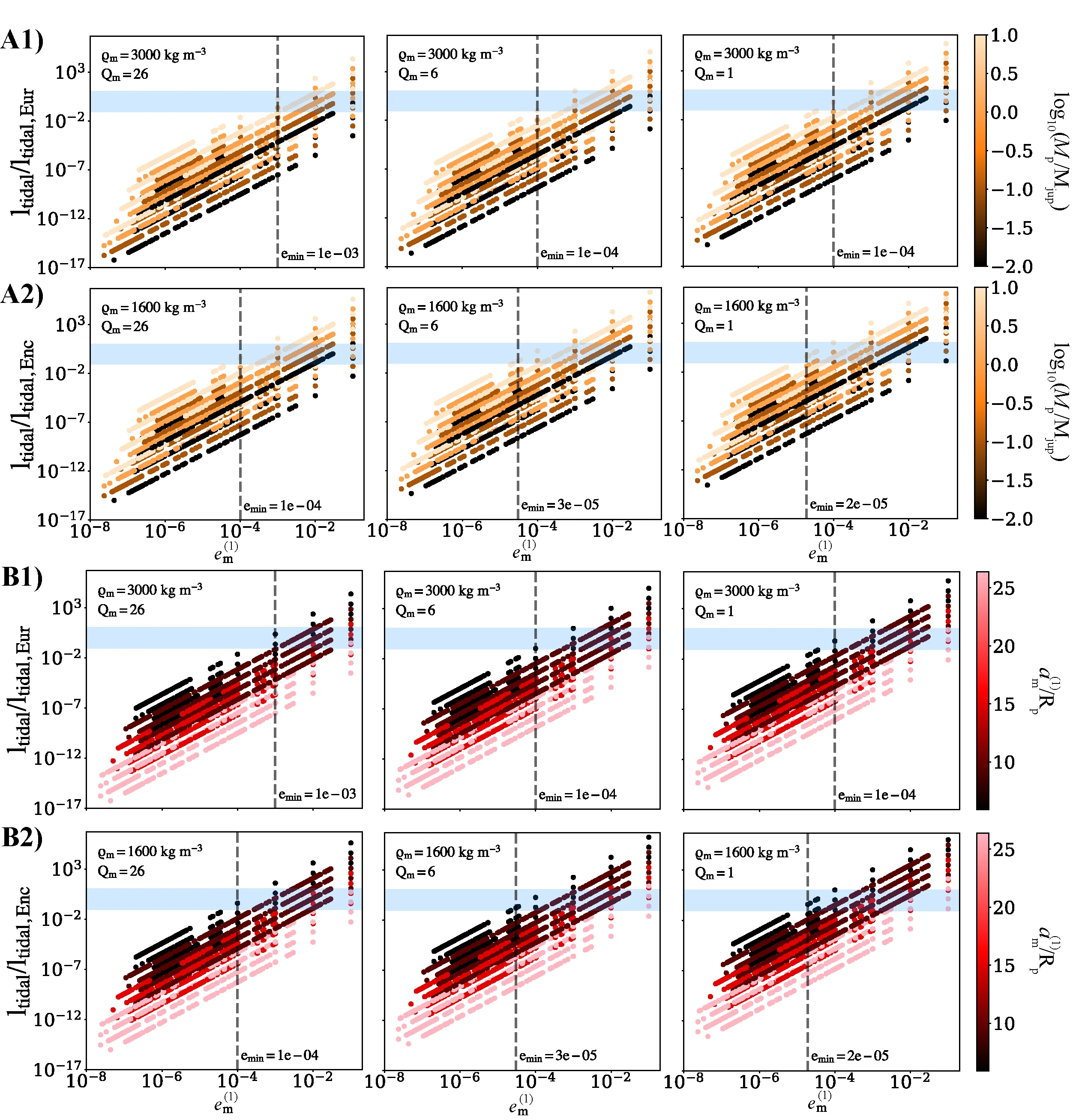
In the Galaxy, there are plenty of rogue planets, thrown out by supernova explosions. These free-floating planets lack a sun, but often retain their moons. Simulations show that after the cataclysm, the moons' orbits become barely elongated, and that's enough to kickstart internal heating. In 12–15% of cases, the heating power rivals what keeps the oceans of Europa and Enceladus warm. Amazingly, this process fades incredibly slowly: for moons farther from the planet than ten times its radius, the heating will last longer than the Solar System has existed. So water oceans under the icy crust can remain liquid for billions of years. The next extraterrestrial life might be discovered not around a star, but in the eternal darkness of interstellar space.
There may be more rogue planets in our Galaxy than stars — so warm moons with oceans in the Universe could be unimaginably numerous, like grains of sand on all the beaches of Earth.