Hot Cools Faster: The Quantum Mpemba Effect express
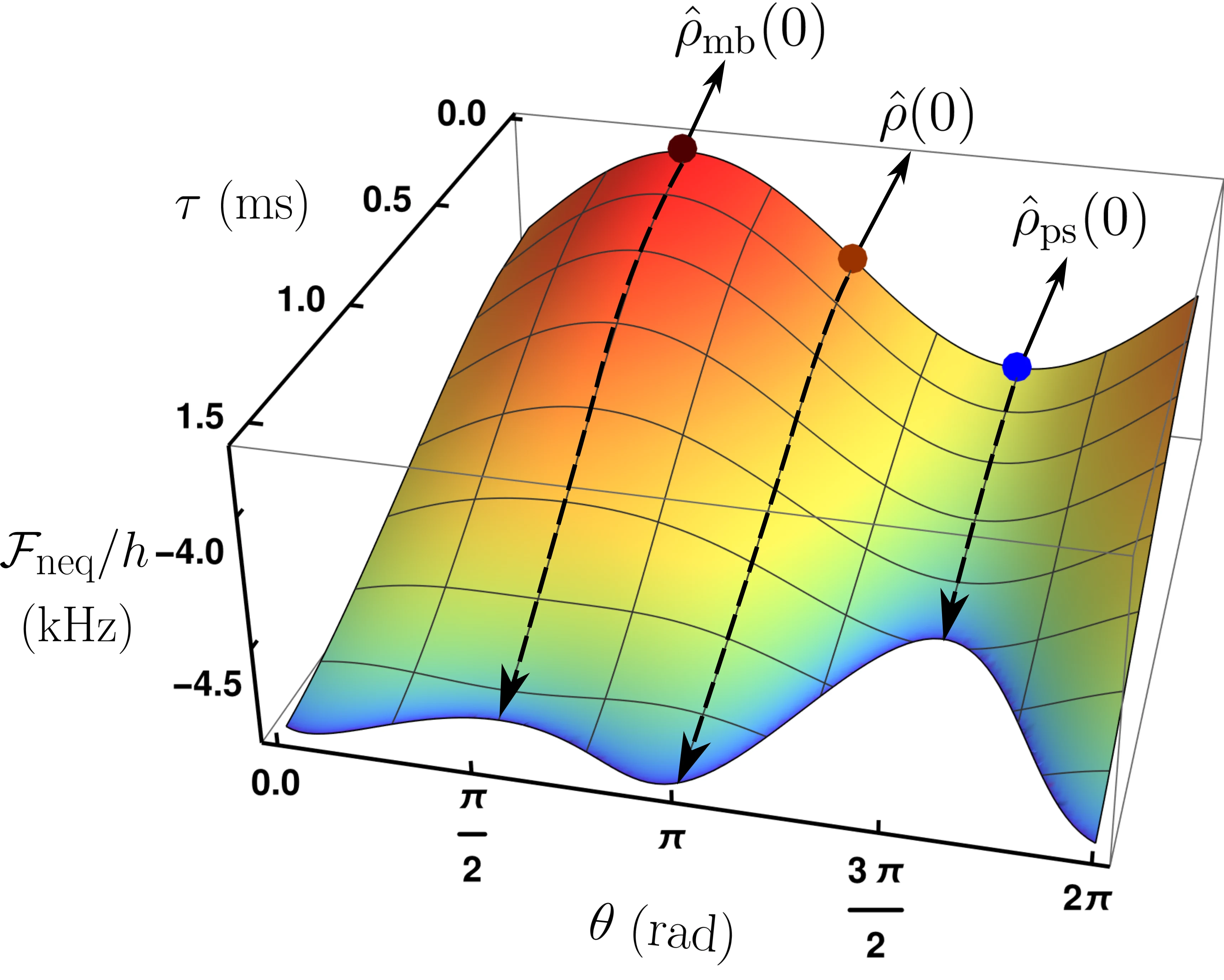
The Mpemba paradox, hot water sometimes freezes faster than cold, has gained a quantum sequel. In the microworld, a particle pushed farther from the finish line gets there first. Experimenters demonstrated this on a single spin: like a racer, they pushed it farther from equilibrium, and it reached it faster than after a weak nudge.
The key is entropy, the measure of chaos. In quantum reality, greater disorder accelerates the march toward order. The irony is that the classical Mpemba effect is a capricious rarity, while its quantum counterpart is stable and predictable.
Engineers harnessed this trick: they embedded it into a micro-fridge and dramatically boosted its cooling capacity.
Although the Mpemba effect in a glass of water is not always observed and still sparks debate, its quantum sibling turned out to be more reliable and predictable.