Popular

Solar Magnetic Poles: First Shots from Beyond the Equator ⚡ экспресс

Original: "The first out-of-ecliptic observations of the polar magnetic field of the Sun"
arXiv:2512.03611 · 2025-12-03 · CC BY 4.0 · ⏱ 1 min · Stellar
The Solar Orbiter probe has peered for the first time into the magnetic 'attic' and 'basement' of the Sun — its poles.
Abstract

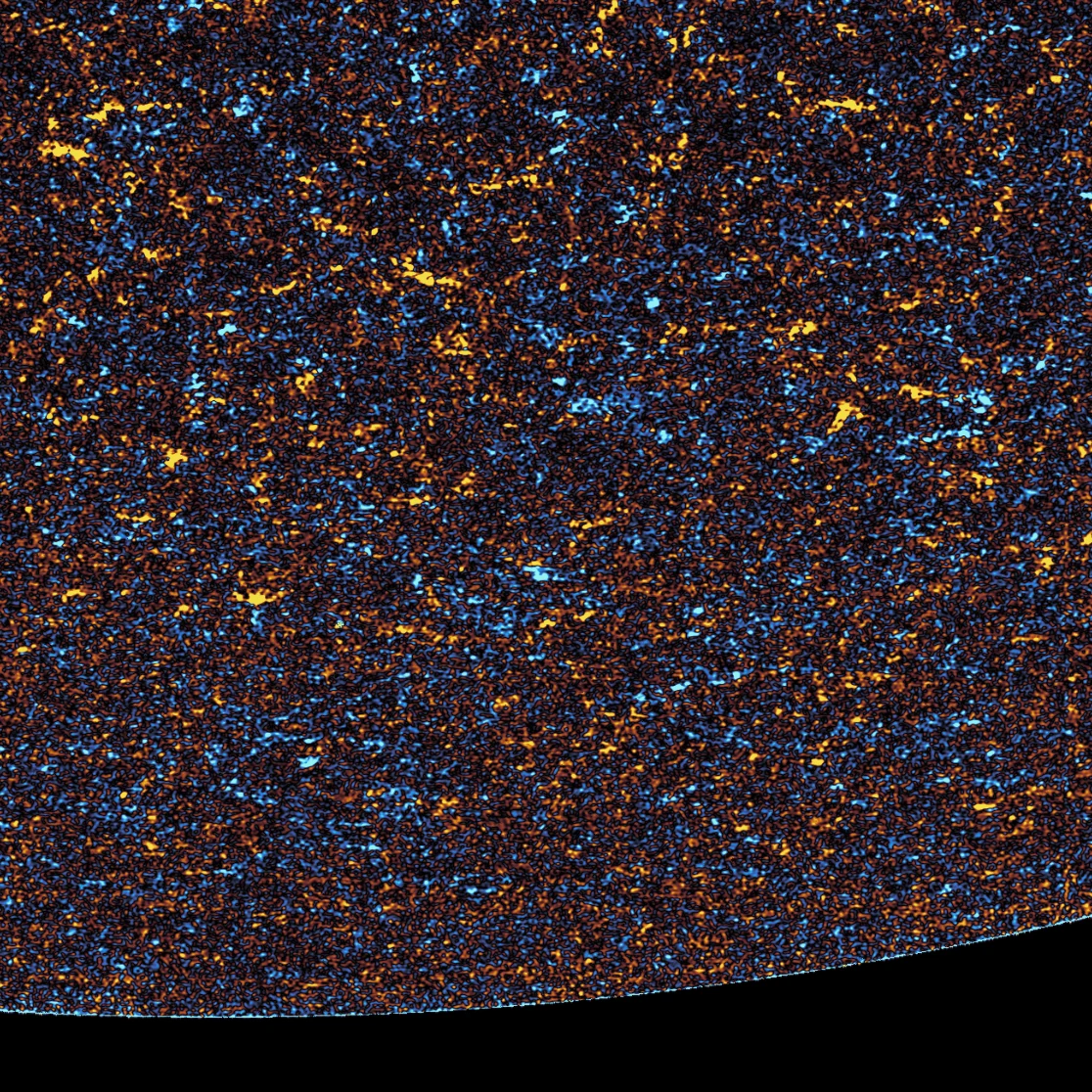
The Solar Orbiter spacecraft has directly measured the magnetic field of the Sun's poles for the first time by venturing beyond the plane of the ecliptic (the flat disk where the planets orbit). Using the PHI instrument, it recorded magnetic flux and its density at latitudes about 15° from the poles, studying the north and south a month apart. The net flux of the two polar caps is distributed differently, and the readings depend on the viewing angle. It's like finally getting a peek at the peak of a magnetic hill—this breakthrough opens the door to future high-latitude close-ups.

Links in the knowledge graph 1

📄 Showing the "Simple" version — "Popular" is not ready yet. Add it to favorites to help prioritize it.

The Sun is not just a ball — it's a magnetic mansion. Its invisible force lines, like electrical wiring, thread through space and control space weather. But until now, we've only seen this wiring from the landing — the plane of Earth's orbit. The attic and basement, the magnetic poles, remained a mystery.

In 2025, the Solar Orbiter probe, like an electrician with a multimeter, sneaked into these invisible floors. Its instrument split the light into colorful bands to reveal magnetic patterns. And here's the surprise: the north and south poles turned out to have different architectures. Their magnetic flows aren't just dissimilar — they change out of sync: when one gains strength, the other weakens, and this dance accelerates month by month.

This attic find is the key to the 11-year rhythm of solar pole flips. By understanding how the wiring 'flickers' above and below, we can more precisely calculate when a magnetic storm will strike Earth's power grids.

🎯 Every 11 years, the Sun's magnetic poles swap places, like a house where the attic and basement change roles. The last time this happened was in 2013.

Scientists
Christian DopplerD. B. McLaughlinDidier QuelozMichel MayorR. A. RossiterJames Clerk Maxwell
Tags
Sun spectroscopy
Laws
Doppler effectMaxwell's equationsPlanck's lawPlanck–Einstein relationWien's displacement lawStefan–Boltzmann law
Original: arXiv:2512.03611 · CC BY 4.0 · bridge42worlds