Mixer Waves of the Solar Wind: How the Corona Heats Up express
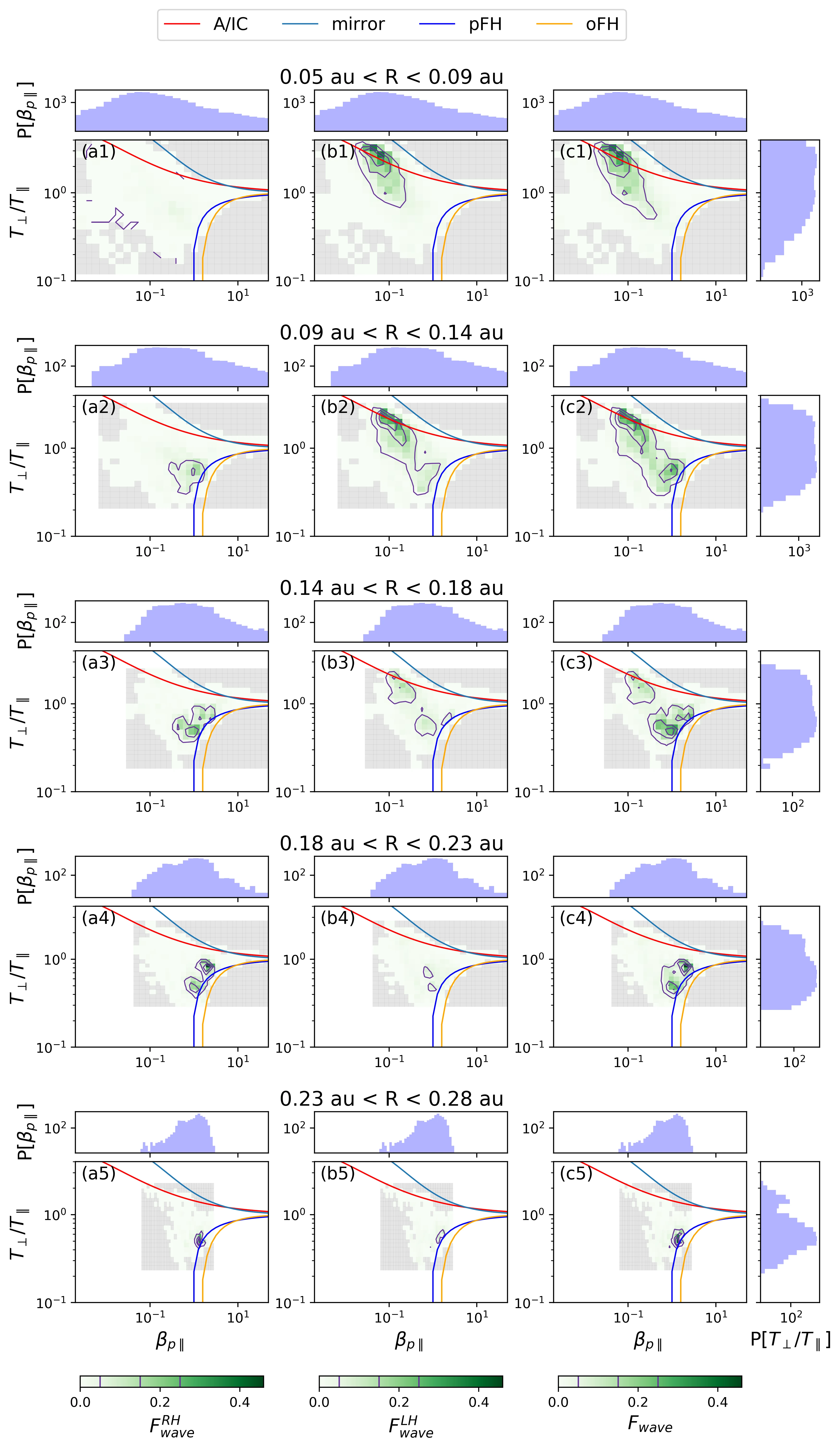
The solar wind isn't a calm stream but a bubbling soup of charged particles. Diving close to the Sun, the Parker probe picked up two types of stirring waves. Left-handed ones, like a whisk in a chef's hand, whip up the material when the temperature differs along and across the flow. They rage nearly a third of the time near the star, boosting the share of the fastest particles — much like a mixer pushing foam to the surface.
Right-handed waves
Fine analysis of light (spectroscopy) and machine learning captured the moment when thermal jets give birth to right-handed waves. Paradoxically, it's this invisible ripple, not grand eruptions, that heats the giant corona — its temperature is hundreds of times that of the solar surface. The rhythm of these waves determines space weather near Earth.
The solar wind carries away about the mass of Mount Everest every minute.