Organic Chemistry Around a Young Planet express
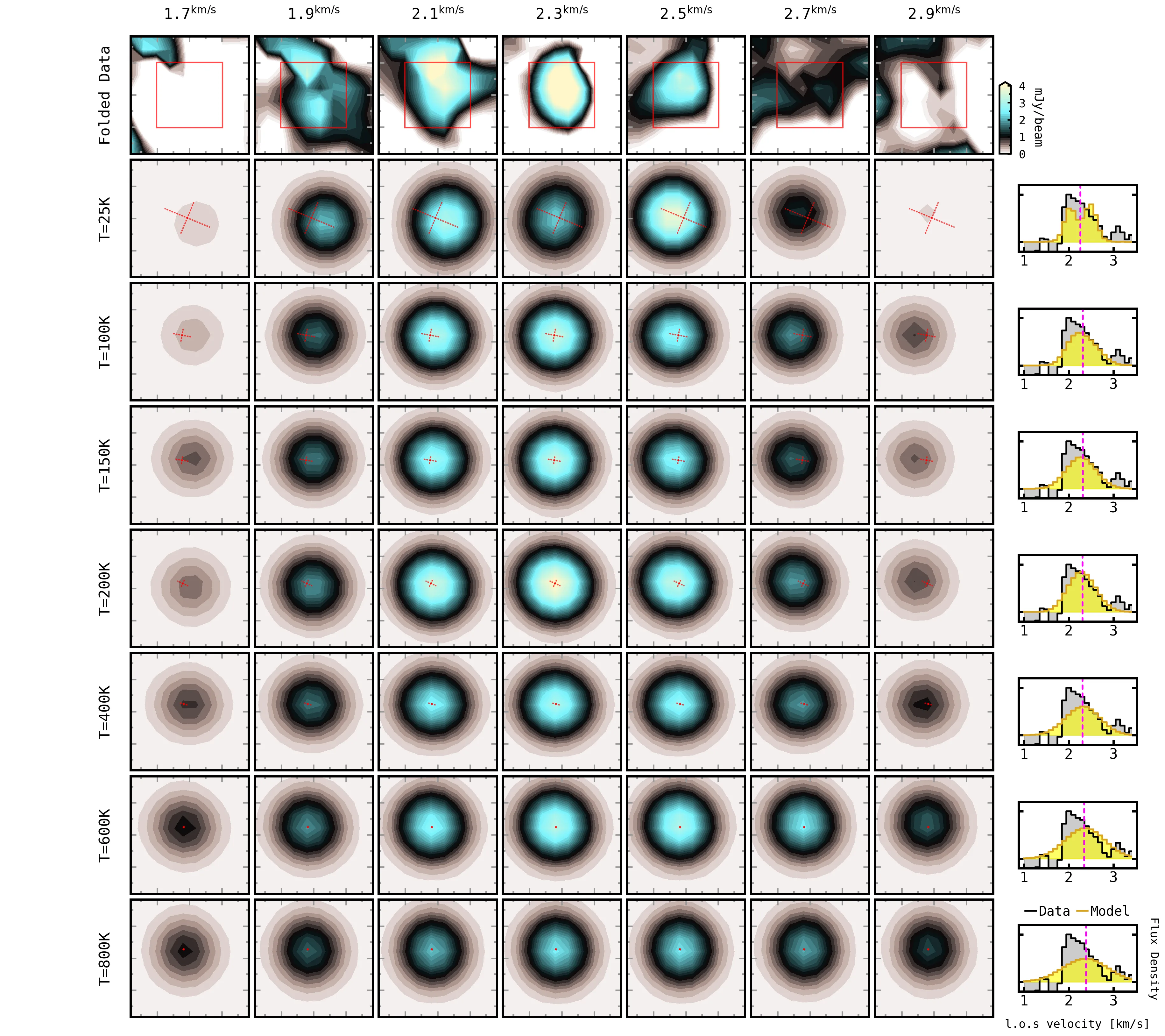
Around the star HD 163296, 330 light-years away, a dense ring of gas and dust is swirling. Astronomers have spotted a small but bright patch of hydrogen cyanide and ethynyl molecules within it. It hangs at a distance of 88 astronomical units from the star — farther than Pluto is from the Sun.
The heat from a forming planet hidden in that patch melts the icy dust. The frozen molecules evaporate and start to glow, like steam over a hot pot. That's how chemistry gives away an invisible planet.
The patch coincides with a spot where earlier observations had detected disturbances in gas motion — the signature of planet P94. Now it also has a chemical portrait. Its mass is estimated at less than 1.8 Jupiter masses, and the gas temperature in its vicinity is above 150 Kelvin, like a freezer, but in reverse.
The radius of the disk around the planet is only 2 astronomical units: that's like the orbit of Mars, but made of gas and dust.
In the series 'The Expanse', the asteroid belt teems with organic molecules that are mined for colonies — similar to what we see in the disk of HD 163296.