Light Makes Current Without a Battery express
A typical light sensor is like a well with a windlass: to bring up the bucket, you have to turn the crank. Similarly, a photodetector needs an external voltage to pull out an electric charge. But there are materials that convert light into current by themselves — like a spring that flows without a pump. One such material is zinc oxide, familiar from white paint and sunscreens.
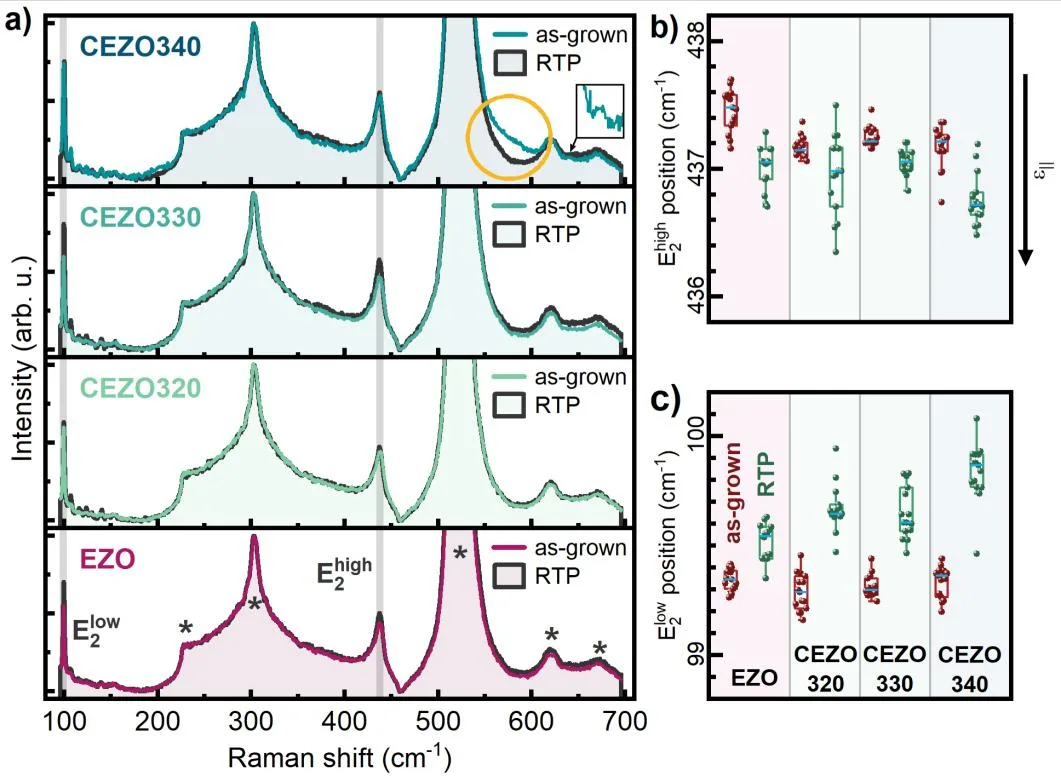
Spectroscopy showed that europium ions were successfully embedded into the crystal lattice of zinc oxide — they glow red under irradiation. Adding cadmium changed the material's behavior: the barrier that hindered current flow between layers disappeared. The result is a junction that allows current to pass in only one direction — like a valve in the heart or a diode in an old vacuum tube.
The upshot: the device produces current when illuminated from ultraviolet to near-infrared, and it responds in 10 microseconds. That's faster than a lightning flash. Such sensors could work for years without recharging — for example, in smoke detectors or cameras on space probes.
Zinc oxide is the same white powder that lifeguards used to smear on their noses at the beach. Now it captures light and turns it into electricity.