The Clocks That Throw Off the Scales express
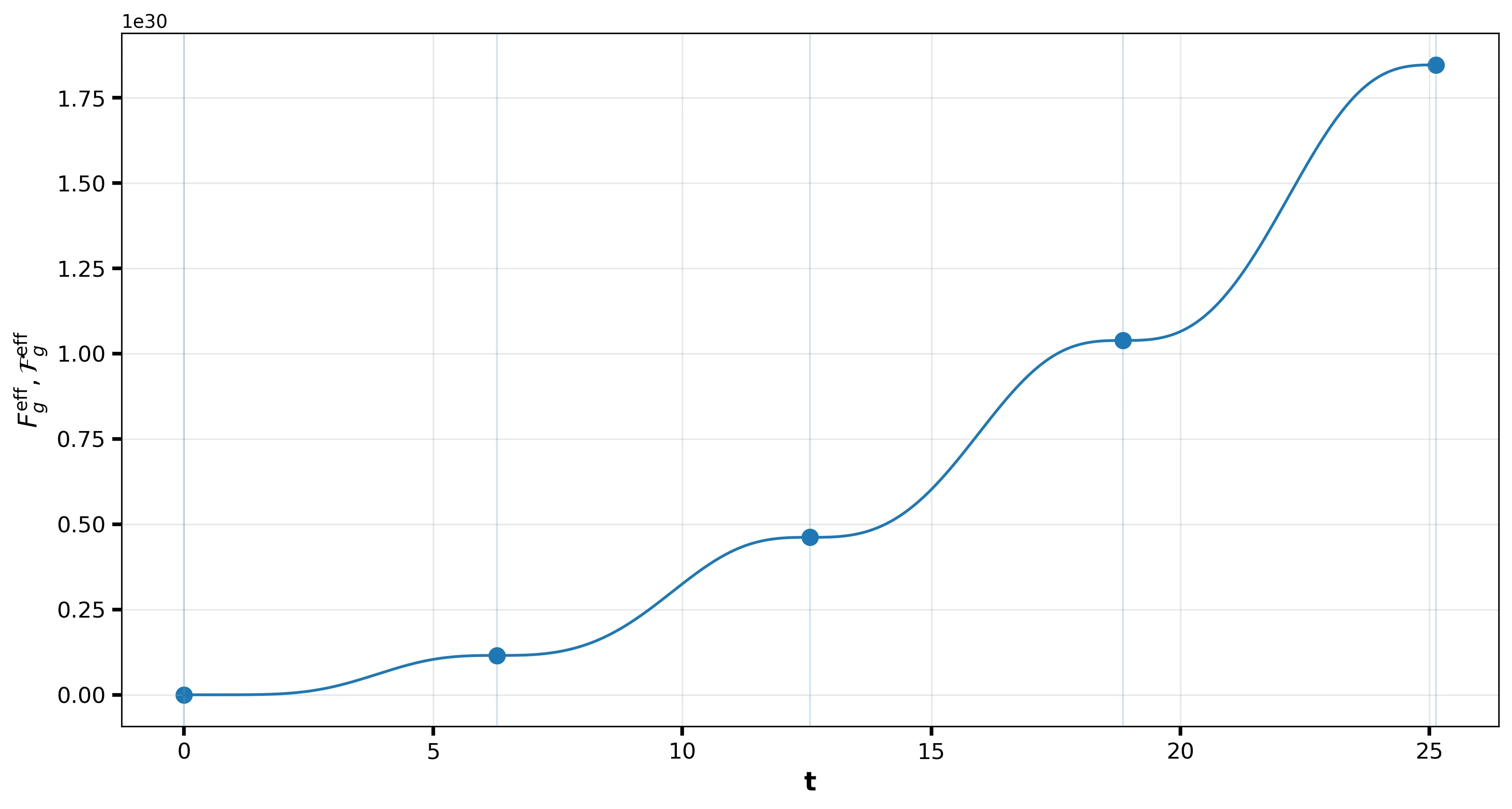
Ultra-precise scales that catch the slightest changes in gravity work like a keen ear: they hear even the whisper of distant underground voids or the tremors of the Earth's crust. But such instruments have a hidden enemy: their own internal clocks. Time inside the sensor also jitters, and this jitter smears the picture.
Quantum sensors rely on atoms or light beams that oscillate with incredible stability. But to measure a signal, you need to know how much time has passed. And time in the quantum world doesn't flow like a ruler: it is itself fuzzy. The scientists derived a strict precision limit: if you ignore time uncertainty, sensitivity drops. It's like trying to weigh a feather on a scale whose needle twitches with every draft.
The work applies to a wide class of devices — from gravimeters to accelerometers. It's a step toward making quantum devices truly reliable tools, not just lab toys.
Modern atomic clocks lose a second over billions of years, but even this tiny time uncertainty hampers the most sensitive sensors.