Magnetic Fields Can Be Sculpted Like Clay express
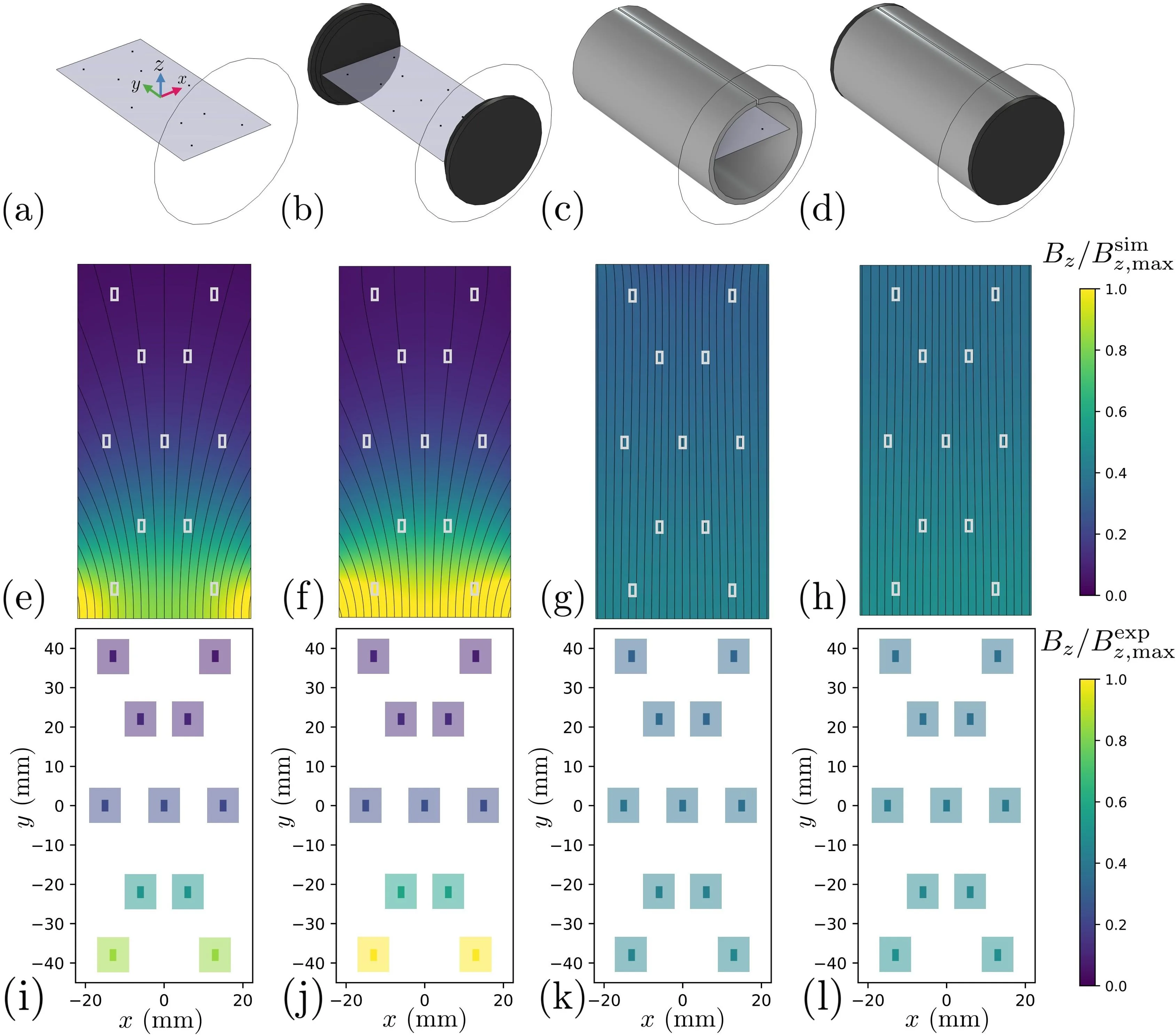
A magnetic field is like a shadow cast by an object: it changes with the shape of the source. But if you put a lens in the path of light, you can alter the shadow. Here, the authors devised a 'lens' for magnetic fields — an assembly of ordinary materials with different magnetic permeabilities (their ability to let the field through).
In the experiment, they took the field from a simple magnet and reshaped it into a specific form within an empty zone. It's like pouring water from a pitcher into a glass with an invisible hand — without a single coil or current.
This approach promises cheap and flexible magnetic shields, precise field delivery in medicine (e.g., for manipulating microparticles), and improved imaging in tomography.
Magnetic permeability is like the transparency of glass to light: some materials are 'transparent' to the field, while others block it almost completely.
In science fiction, such field shaping appears in force fields and invisible traps, but here it works with passive materials, no energy required.