How a Quantum Computer Distinguished Past from Future express
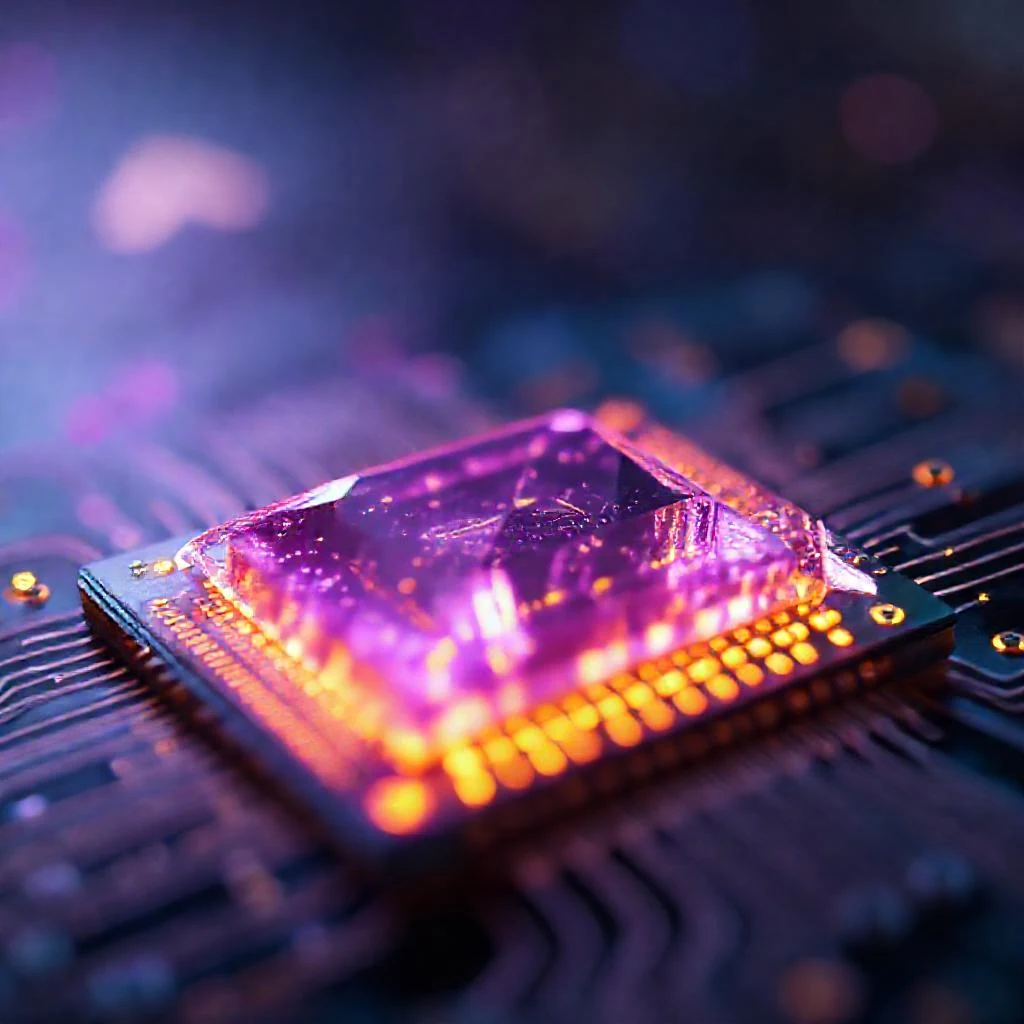
A film of a shattered cup cannot be watched backwards: the growth of disorder, or entropy, points the way of time. Yet the equations of the microworld are symmetric — past and future are on equal footing. To understand how the arrow of time emerges, scientists used a quantum processor made of carbon diamond with ten qubits (quantum analogs of bits).
They ran processes where heat flows from hot to cold, and their reverse copies, inserting measurements that forced entropy to grow. The data was fed to a neural network. Without any hints, it learned to distinguish forward heat flow from backward with 92% accuracy, as if plucking signs of irreversibility out of the noise.
This is more than just a game. The ability to read the arrow of time in quantum systems will bring us closer to building microscopic engines and reveal how irreversibility is born from symmetry. Incidentally, the diamond processor operated at room temperature — a rarity for quantum devices.
Remove the measurements from the process, and symmetry returned — the neural network could no longer tell the direction of time. It is quantum measurements that 'switch on' irreversibility.
The idea of recognizing the arrow of time in quantum data harks back to the film 'Tenet', where inverted entropy makes time flow backwards.