Atomic String and Harmony of Frequencies express
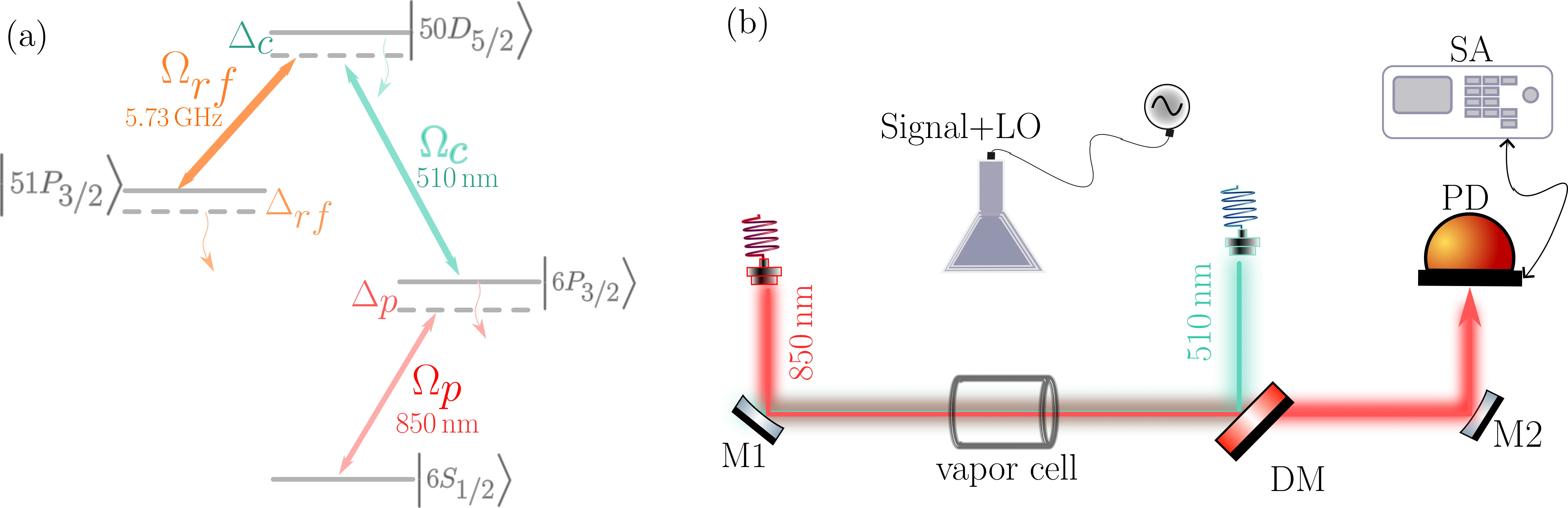
A cloud of cesium atoms was made to behave like a single quantum string. By shining a laser and letting the particles interact, scientists launched self-sustaining oscillations — a rhythm emerged without an external conductor.
Radio waves acted like frets on a fingerboard: it was possible to smoothly vary the sounding frequency. And under powerful influence, the string gave birth to overtones — a multitude of equally spaced frequencies appeared, resembling the teeth of a comb. Such a frequency comb is a key tool for ultra-precise clocks.
Detailed analysis of the glow (spectroscopy) and precise measurement of its brightness (photometry) allowed building a simple model, similar to a classical oscillator. It explained the behavior of the quantum string and opened the way to creating controllable quantum simulators — platforms for studying collective rhythms in the microworld.
A guitar string also produces more than one sound: the fundamental tone is surrounded by overtones with multiple frequencies — a natural frequency comb.
Perhaps one day such quantum strings will sing the most complex symphonies, controlled by a single beam of light.