Hot Gas in Galaxy Groups: Why It's Dimmer Than It Should Be express
A pot of boiling water sits on the stove: the higher the heat, the hotter the water and the more steam escapes. Hot gas in galaxy clusters behaves much the same way. But in small galaxy groups, this "steam" leaks out faster than you'd expect from the temperature alone.
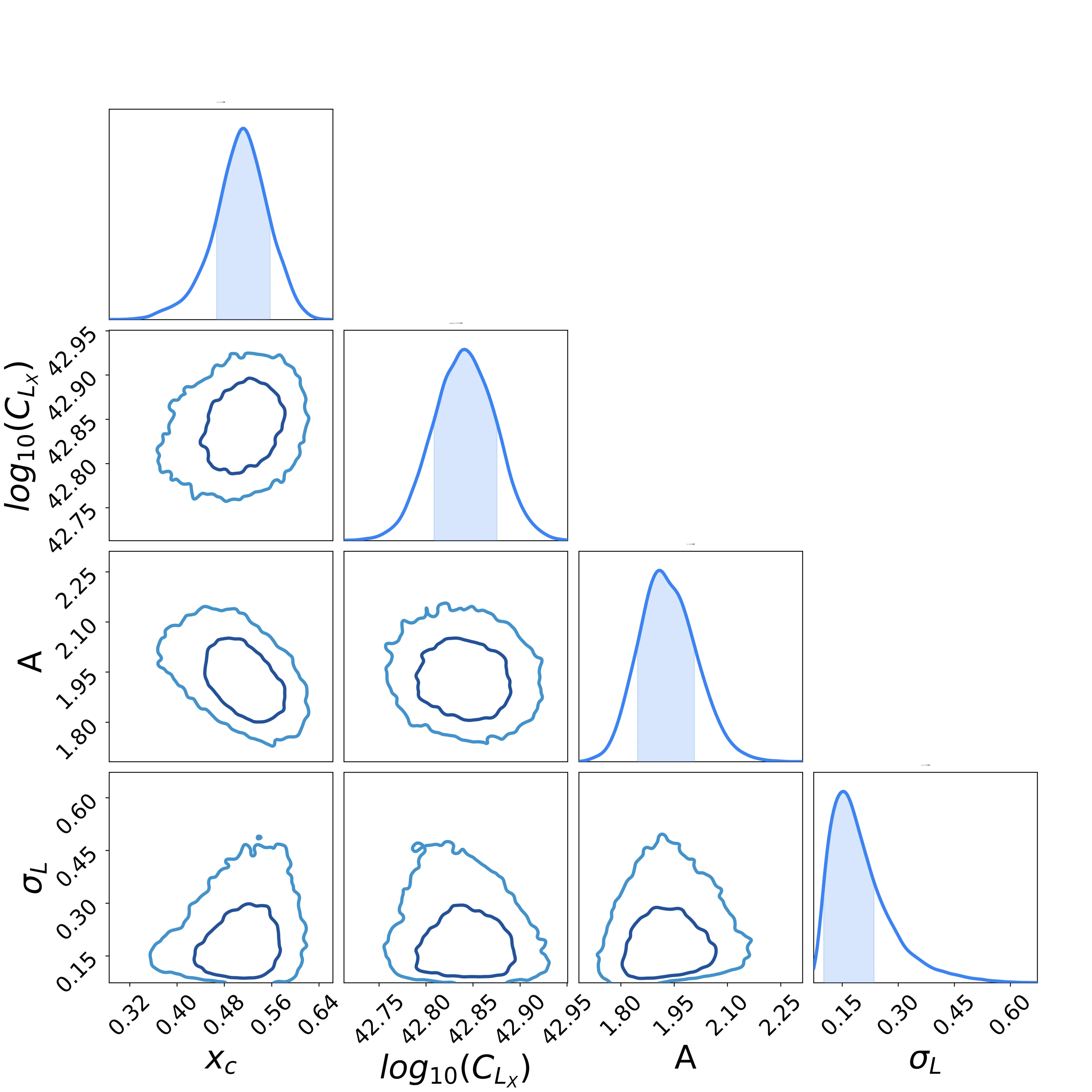
Astronomers took a catalog of 155 galaxy groups and clusters with well-measured distances (redshifts from 0.07 to 0.2). For each object, they measured the gas temperature, averaging about 20 million degrees, and its X-ray luminosity. They found that the relationship between luminosity and temperature is steeper than the simple gravity-only model predicts: the slope is 3.2 instead of the expected 2.
This result aligns with the idea that in low-mass systems, powerful supernova explosions and outflows from supermassive black holes push gas outward. This "outflow" cools the remaining gas and reduces its X-ray glow. For massive clusters, where gravity is stronger, this effect is weaker.
It seems that small galaxy groups are not just scaled-down versions of big clusters. Their hot gas follows its own rules: it escapes more easily, and that changes the whole picture of how galaxies exchange matter with their environment.
The gas temperature in the studied galaxy groups reaches 20 million degrees — a thousand times hotter than the Sun's surface, but the gas is so tenuous that it wouldn't melt a passing probe.