Digital Twin of a Thermal Generator express
A kettle cools on the table. Heat escapes into the air, and is wasted. Yet you could squeeze a bit of electricity out of it. Devices that can do this are called thermomagnetic generators. Inside them, there are no pistons or turbines — only a material that changes its magnetic properties when heated and cooled. But so far, these generators work slowly and lose a lot of energy.
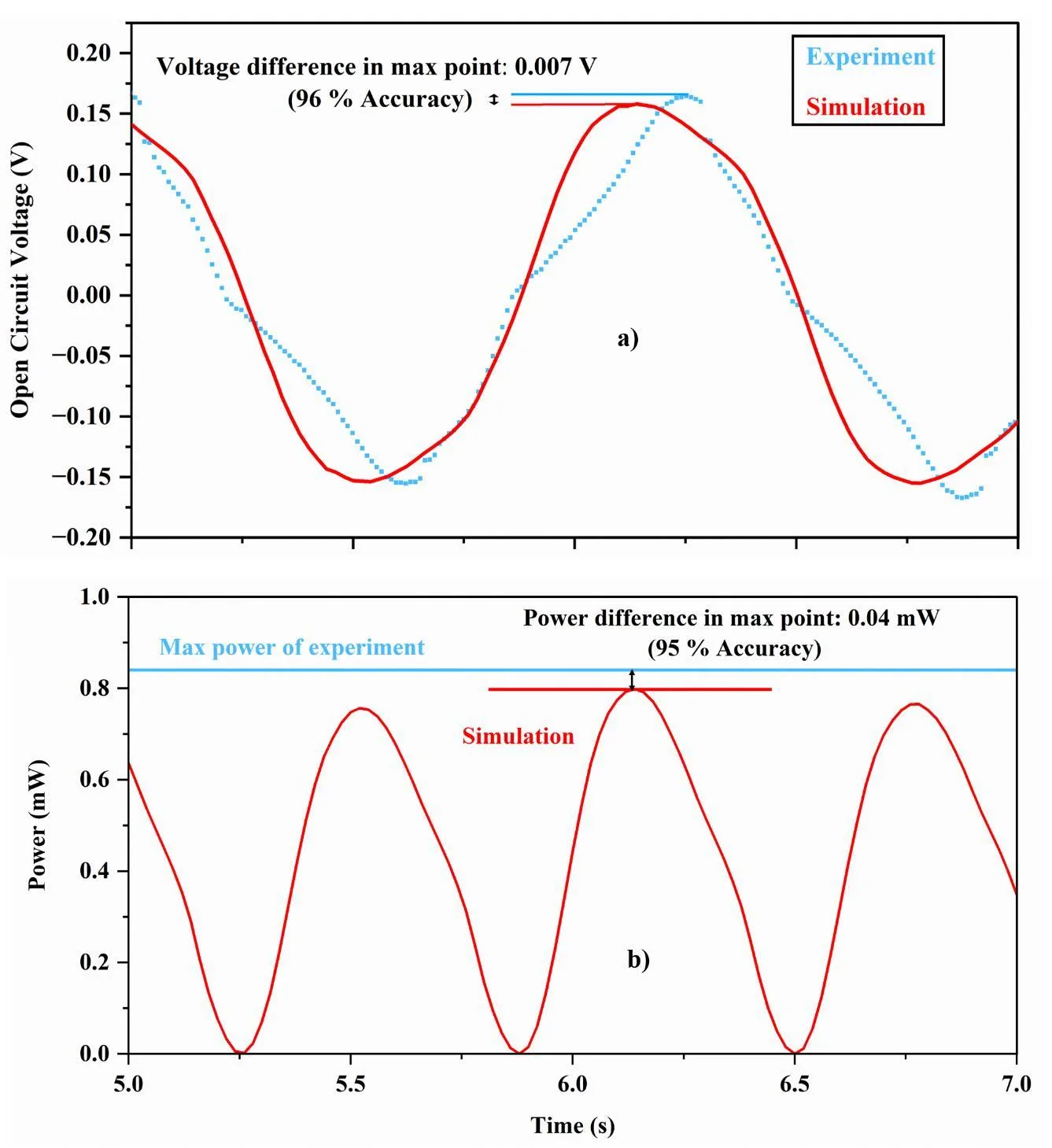
Engineers built a computer model of one of the best such generators. The model accounts for everything at once: how heat flows through the parts, how the magnetic field changes, how the cooling fluid moves, and how current is generated. Previously, such calculations were done piecemeal, but here they assembled the full picture. And they validated it against a real device: the model predicted voltage with 96% accuracy and power with 95% accuracy.
Using the model, scientists mapped energy flows, like a diagram showing how much heat goes into useful electricity and how much is dissipated along the way. It turned out that the main losses occur in the magnetic material itself and at the joints. The model also showed why the generator cannot run fast: heat does not have time to pass through all the layers. Now, by changing the thickness of parts or the material, the cycle can be sped up and power increased.
This approach is like a virtual test bench. Instead of building dozens of prototypes, engineers run variants on a computer. This speeds up development and makes it cheaper. So, heat from factory pipes or even from warm ground may one day start bringing electricity into our homes.
The thermomagnetic effect was discovered back in the 19th century, but only now do computer models allow devices based on it to reach practical application.
In Kim Stanley Robinson's novel 'The Ministry for the Future', similar devices are described that harvest waste heat to save the planet from overheating.