Food, Climate, and Health: An Unexpected Divide express
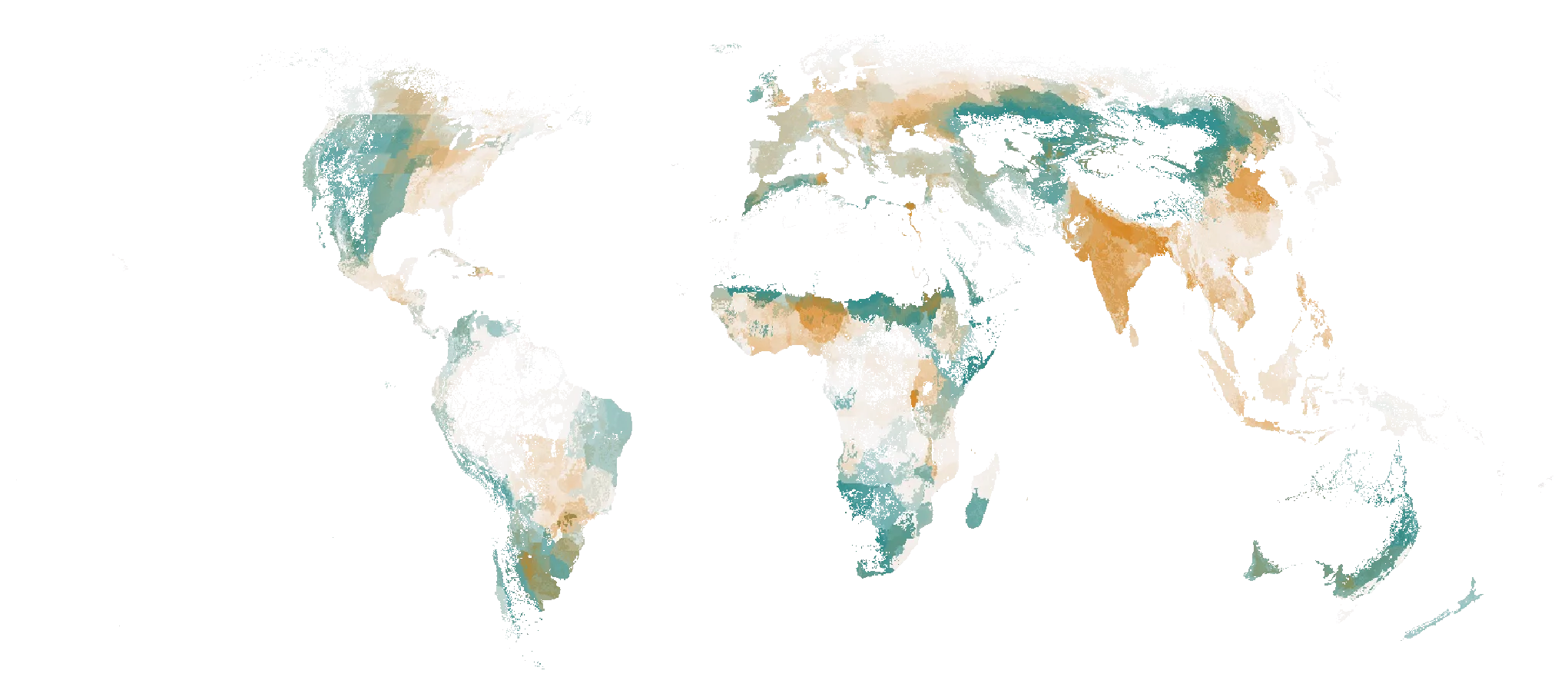
Every year, the food we eat costs humanity tens of millions of years of life due to unhealthy diets. At the same time, a third of all greenhouse gases warming the planet are produced along the journey from farm to plate. It seems obvious: switch to healthier eating, and we'll save the climate and improve our health. But new research shows these two goals don't always go hand in hand.
The researchers built a detailed computer model of global food, tied to specific regions. They ran numerous scenarios: what happens if people eat less meat, more vegetables, or cook differently. The model accounted for agricultural emissions and the impact of various foods on life expectancy.
The results were surprising. Cutting red meat is a powerful lever for the climate: the carbon footprint shrinks dramatically. But health gains are modest, just a few extra months of life at the population level. Conversely, you can design a diet that significantly boosts health but barely affects greenhouse emissions.
The takeaway is simple: food isn't one problem but two. Health and climate require different solutions. Policymakers will have to work on two fronts at once, rather than hoping that a planet-friendly meal automatically saves us too.
The global food system is responsible for about a third of all greenhouse gas emissions — more than the entire transportation sector combined.