Levitating Without Magic: Magnetic Trap Holds a Sphere express
A magnetic top that doesn't fall. A tiny sphere of yttrium iron garnet hovers in midair, held by invisible forces. This isn't a magic trick but a Paul trap — an alternating magnetic field that rapidly changes direction and keeps the sphere from falling, like a juggler tossing balls.
Inside the sphere live magnons — quanta of magnetic waves, like ripples on a pond. These waves are strongly coupled to the sphere's motion. The scientists calculated that the coupling can become stronger than the energy losses, even at room temperature. This means the sphere's motion and the magnetic waves can exchange information without loss.
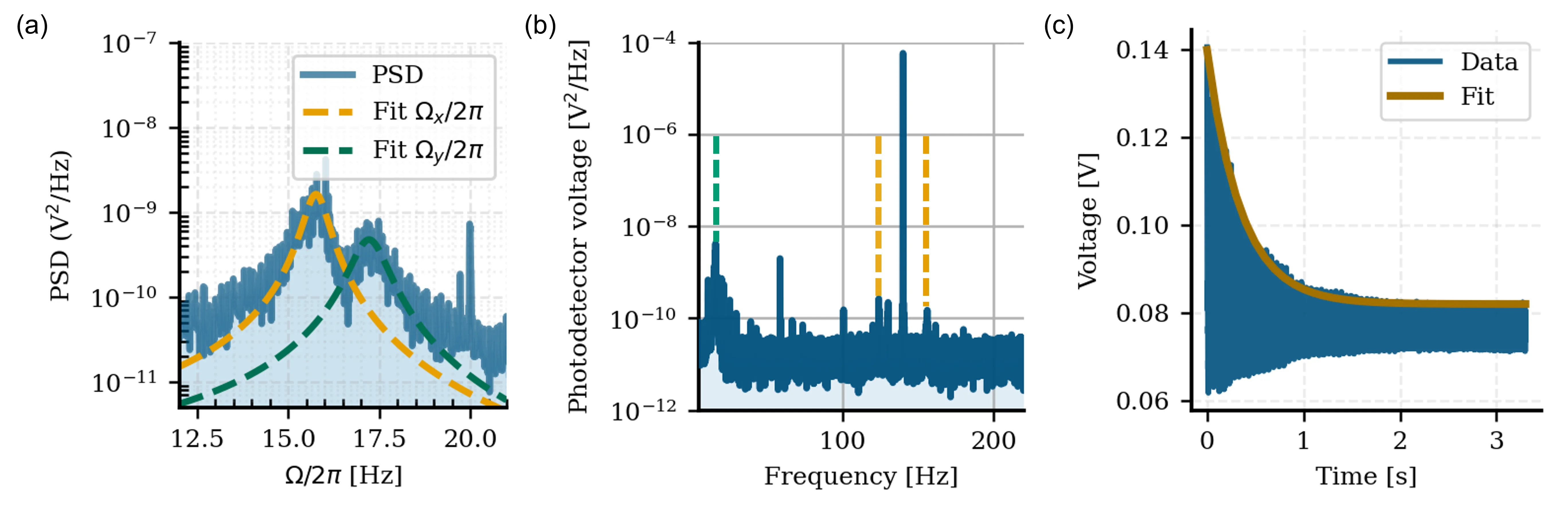
Such a levitating sphere is a candidate for quantum memory: a device that stores quantum information. Magnons could serve as intermediaries between motion and light, connecting different quantum systems. The first step is to trap the sphere and measure its trembling. The next is to learn to control its motion using magnons.
Yttrium iron garnet is a transparent crystal used in microwave filters and lasers. Its magnons live longer than in other materials, which is why it's so interesting for quantum experiments.