How Light Reveals the Hidden Laws of Open Systems express
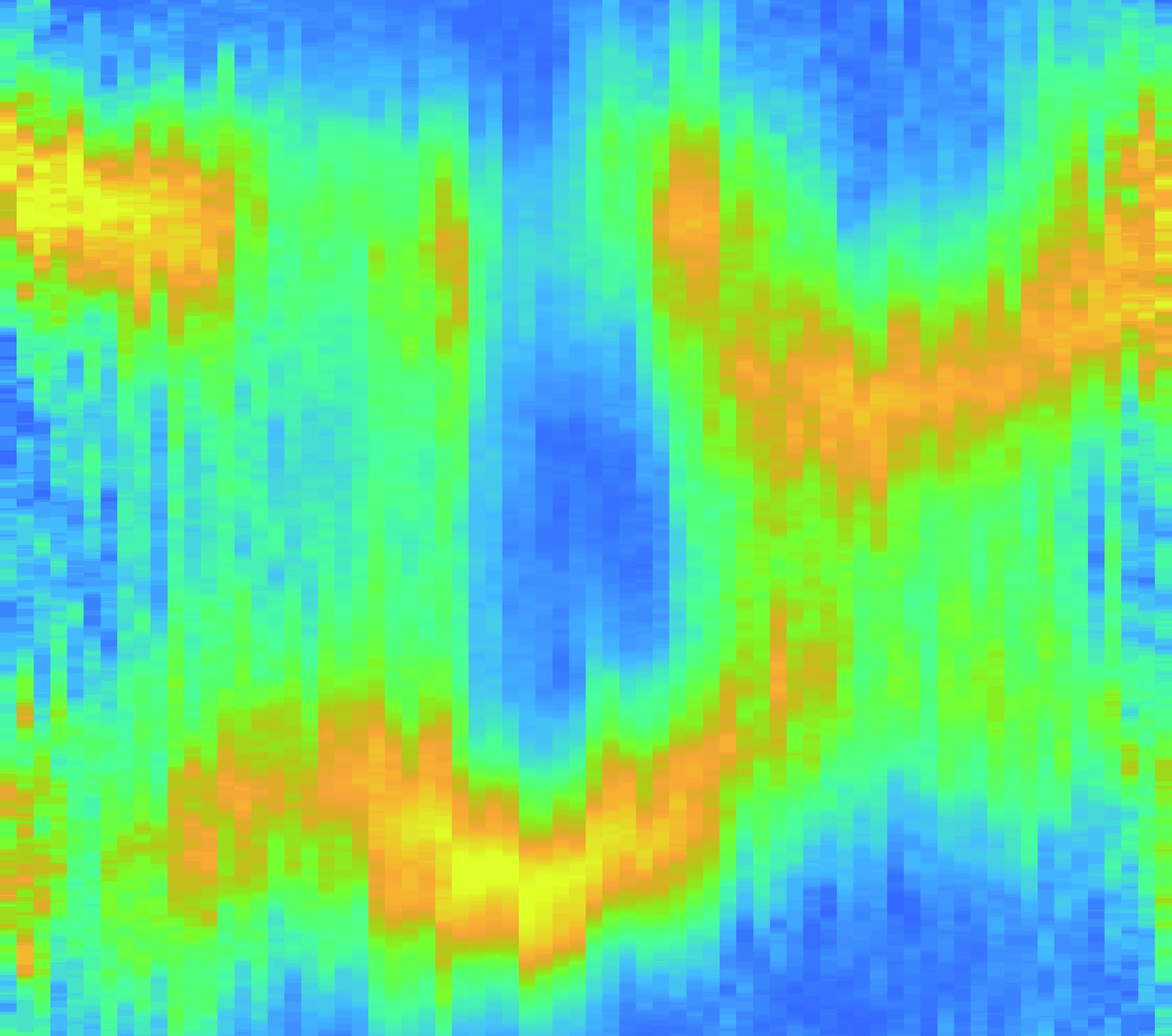
Open systems exchange energy with their surroundings, like a guitar string fading into the air. Scientists built such a system out of light, twisting the beams into corkscrews and forming an artificial lattice — a maze where losses can be controlled at every step. Light in this maze always moves at the maximum possible speed, but its energy can fade or grow. By simultaneously measuring the twist and strength of the corkscrew beams, physicists reconstructed the full spectrum (color composition) depending on direction and attenuation. At certain points, two different colors of light merge into one, as if losing their individuality — something impossible in ordinary crystals. This optical technique opens access to effects that were previously only theoretical. It's already helping improve lasers and sensors, and in the future will bring us closer to ultrasensitive quantum devices.
Light beams with different degrees of twist look like donuts with varying numbers of swirls, and each such donut can act as a separate data transmission channel.