Quantum Magic: Nonlocal and Everlasting express
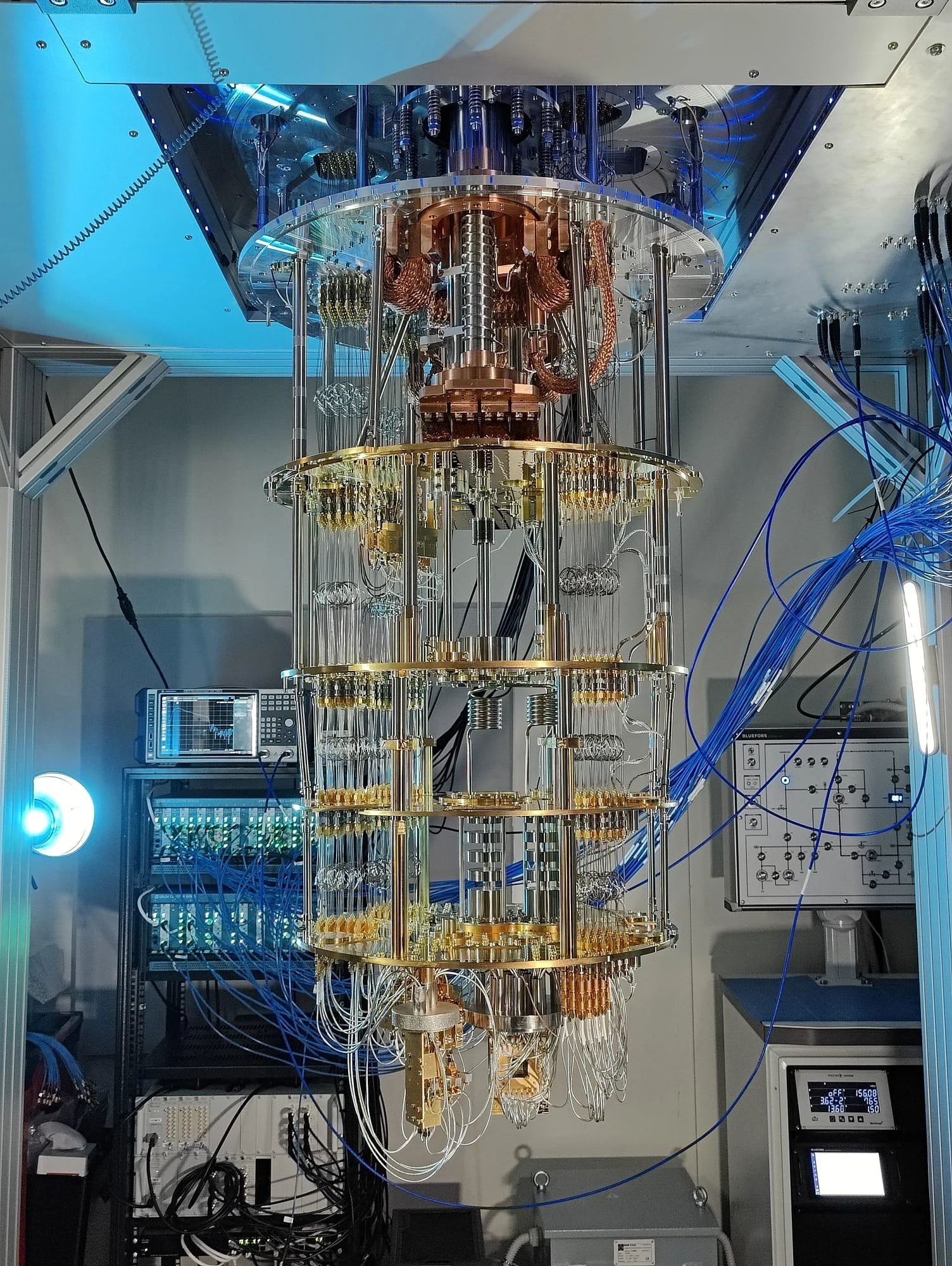
A quantum computer is like an exquisite dish. There are recipes for ordinary kitchens, but special quantum states are secret ingredients that turn the dish into a masterpiece. One of them is 'magic'. The term was coined by John Preskill in 2018. Magic comes in local form — you can remove it by changing components — and nonlocal, which like a sauce permeates the entire dish and preserves the taste no matter what you do to the parts.
Physicists have for the first time measured this nonlocal sauce on a superconducting chip. They used two methods: the first erased local magic with complex operations, leaving the overall; the second estimated the purity from ordinary noise, similar to measuring entropy — disorder. Both gave the same numbers. The main disturbances are readout errors and noise in the gate, which works like a conditional gate. Remarkably, local magic can be erased right during operation without affecting nonlocal magic.
Now this will allow honest testing of quantum processors without full error correction. The most unexpected twist: the same math helps decode the radiation of black holes, studied by Stephen Hawking. Perhaps the keys to spacetime are hidden in nonlocal magic.
Curiously, the formulas for nonlocal magic turned out to be the key to decoding black hole radiation — so distant objects help build computers on Earth.
Extracting information from a black hole is reminiscent of 'Interstellar', where data from the singularity helped solve gravity.