Why Has Cosmology Cracked? ✎ express
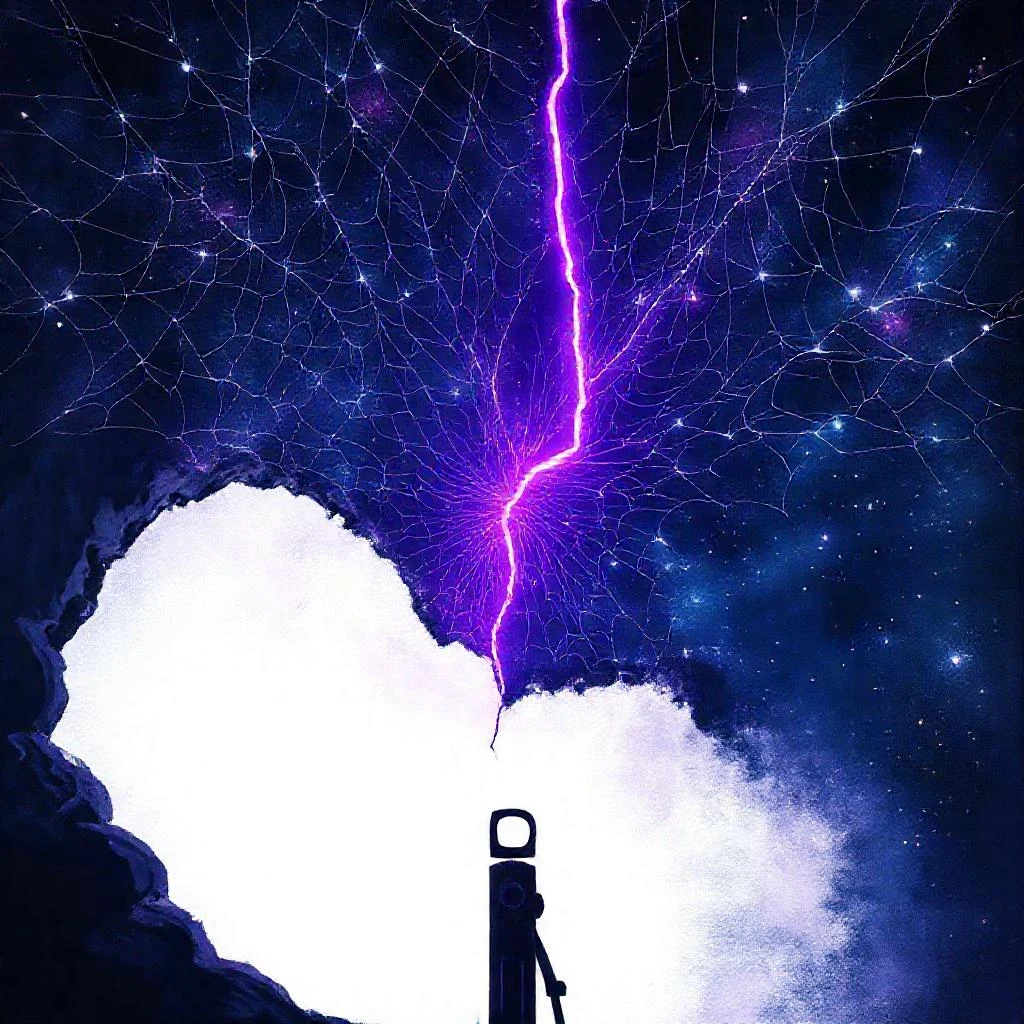
The universe is a pie baked from a single recipe, but the teaspoon and the kitchen scale stubbornly show different amounts of sugar. That’s how it is with the expansion of the universe: measurements from nearby stars (the spoon) give one number, while those from the ancient light of the Big Bang (the scale) give a completely different one. This mystery was noticed by Edwin Hubble, and it hasn’t gone away. But it’s not just about the sugar. Dark matter (invisible flour binding galaxies) and dark energy (yeast making the pie rise ever faster) also don’t fit into the standard recipe.
A new review shakes up all the instruments: could there be hidden flaws? The most surprising thing came to light when scientists allowed that the yeast might be running out of puff: if dark energy is not constant but changes over time, the discrepancies almost vanish. It seems the cosmic recipe is not dogma but a living instruction, and it’s time for us to rewrite the cookbook.
If you baked a pie with the same sugar error as in the Hubble measurements, you’d end up with bitter bread instead of a sweet dessert — the discrepancy reaches 9%.
The situation is reminiscent of ‘Interstellar,’ where gravity anomalies hint at unknown forces rewriting the laws of the cosmos.