A Warm Belt Around Red Dwarfs express
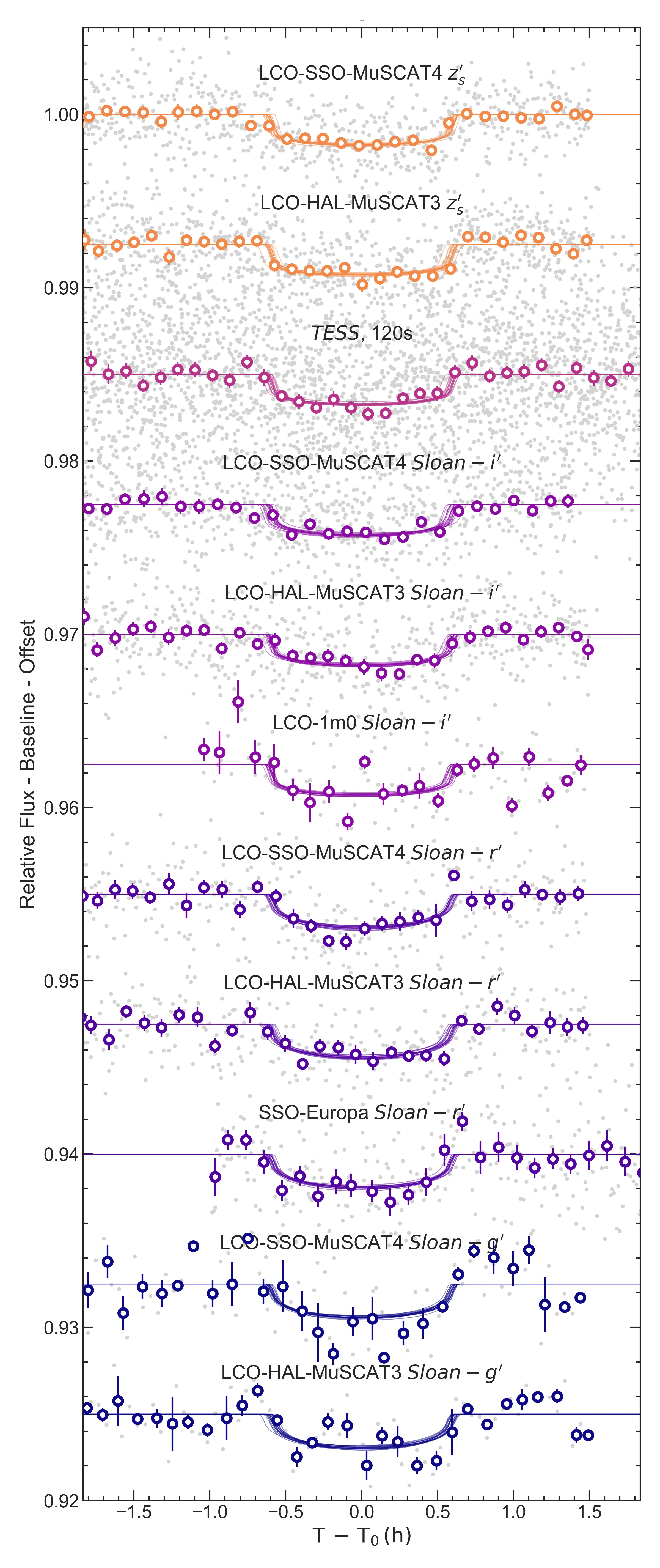
Two new planets are circling dim red stars. One is nearly the size of Earth, the other is three and a half times larger. Both lie in what astronomers call the warm zone: a region where starlight doesn't scorch the surface but also doesn't leave it in perpetual cold.
The host stars are red dwarfs, the most common stars in the galaxy. They are cooler and smaller than the Sun, so their planets can stay warm even when orbiting very close. The first planet, TOI-6716 b, completes an orbit around its star in 4.7 Earth days, while the second, TOI-7384 b, takes 6.2 days. For comparison, Mercury, the closest planet to the Sun, takes 88 days to complete an orbit.
Both planets receive about 4–5 times more light from their stars than Earth gets from the Sun. That's close to the hot edge of the warm zone. But if a planet has a thick atmosphere or clouds, some heat could be reflected, making surface conditions milder. TOI-6716 b is especially interesting: its radius is measured to within 6.8%, and it is considered a good candidate for studying rocky worlds with the James Webb Space Telescope.
Red dwarfs live long — tens and hundreds of billions of years. Their planets have had plenty of time for atmospheres, oceans, and even life to find their way. The two new finds add to the list of worlds worth a closer look.
Red dwarfs are so dim that none of them is visible from Earth with the naked eye, even though they make up about 70% of all stars in our galaxy.