Sound Beam Passes Through the Skull and Twists express
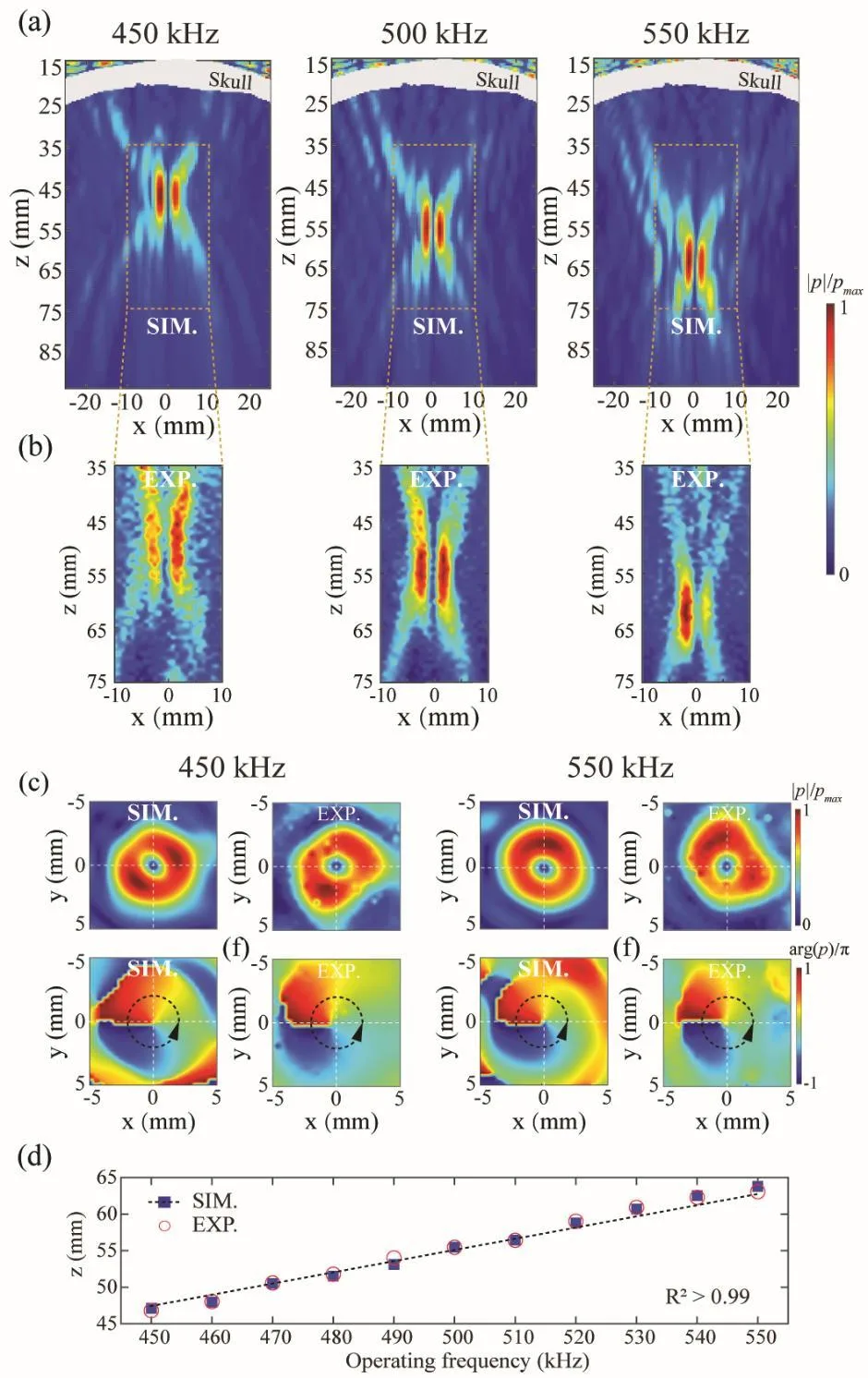
Sound can do more than be heard: it can push. An ultrasound vortex is a sound wave twisted like a whirlpool in a shell: silence at the center, rotating pressure at the edges. Such a whirlpool can grab tiny particles and carry them without a touch. But if bone lies between the sound source and the target, the vortex breaks: the bone refracts waves unevenly, like ripples on water breaking on a rock.
Scientists found a way to send a sound whirlpool through the human skull. They 3D-printed a thin plate, just eight-tenths of a wavelength thick, covered with microscopic steps. Each step delays part of the wave just enough so that after passing through the bone, all the pieces of sound come together into a neat whirlpool. The plate acts like a smart lens that corrects the bone's distortions and simultaneously twists the sound.
Such a sound whirlpool could grab blood clots and move them without cutting tissue. Or it could hold drug particles in place until they take effect. The plate is cheap to print, and frequency control is a simple engineering task. This is a step toward tools that work inside the body without a scalpel.
The plate is less than a millimeter thick for typical medical ultrasound, and its pattern looks like a tiny staircase carved by a laser.