A braintumor is an abnormal growth of cells within the brain or central nervous system, which can be benign (non-cancerous) or malignant (cancerous). These growths can disrupt normal brain function by compressing surrounding tissue, increasing intracranial pressure, or interfering with blood flow. Brain tumors are a significant medical challenge due to the delicate nature of brain tissue and the blood-brain barrier, which limits treatment options.
How it works
Braintumors arise from uncontrolled cell division, often due to geneticmutations that disrupt normal cell cycle regulation. They can originate from brain cells themselves (primary tumors) or spread from cancers elsewhere in the body (metastatic tumors). The growth of the tumor can damage brain tissue directly or indirectly, leading to symptoms like headaches, seizures, or cognitive deficits.
In practice
Understanding braintumorbiology is crucial for developing targeted therapies, improving diagnostic imaging like MRI, and planning surgical resections or radiation treatments.
Fun fact
Only about 1% of all braintumors are primary, meaning the vast majority are metastases from other cancers.
The brain is like a city where every cell is a resident, and its fate depends on its neighbors. It used to be thought that the aging of each cell was its own private business: DNA damage accumulated, so the cell wore out on its own. But a new study shows that even a cell's ability to repair its DNA depends on who lives next door.
A tightly stretched membrane, squeezed into a narrow case, decides on its own where to burst. So does a cell: when it is cramped, the point of division shifts from the middle, and the two halves come out unequal. Previously, it was thought that such asymmetry is predetermined by chemical labels, but the new work shows that mechanics alone is enough.
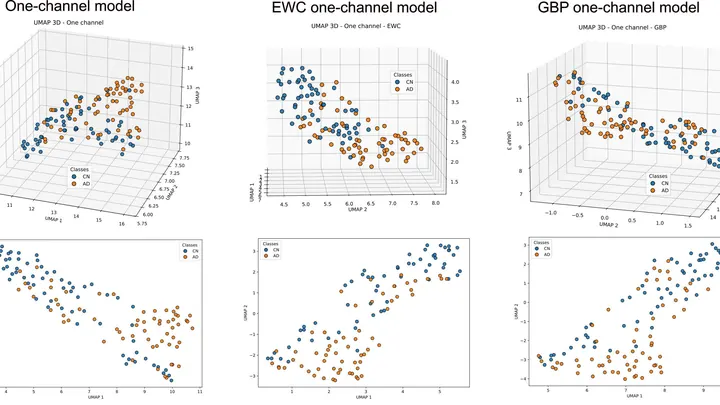
A doctor spends years learning to recognize diseases from brain scans. First, they excel at spotting signs of aging, then they master tumors, and suddenly they start confusing what they knew before. Many neural networks behave much the same way: new knowledge overwrites the old.
Every tumor writes its own cosmology. Its cells are galaxies, and mutations are stellar flares marking the branches of a genealogical tree. The key to its history is the rhythm of accumulating genetic typos.
The brain is a fortress. It's protected by a dense layer of cells that only lets in what it needs. Drugs can't get through this barrier, which is why many brain diseases are so hard to treat.
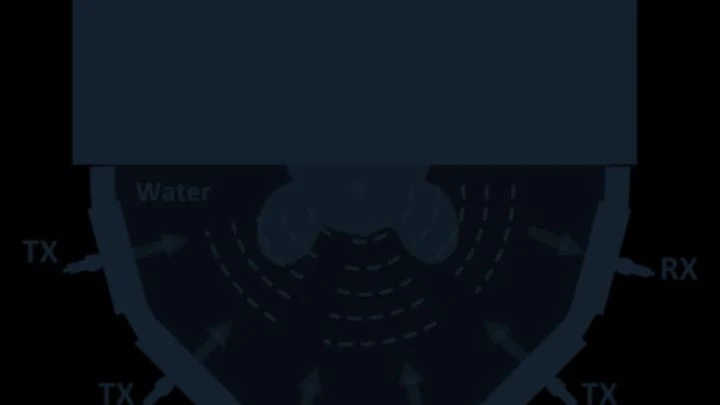
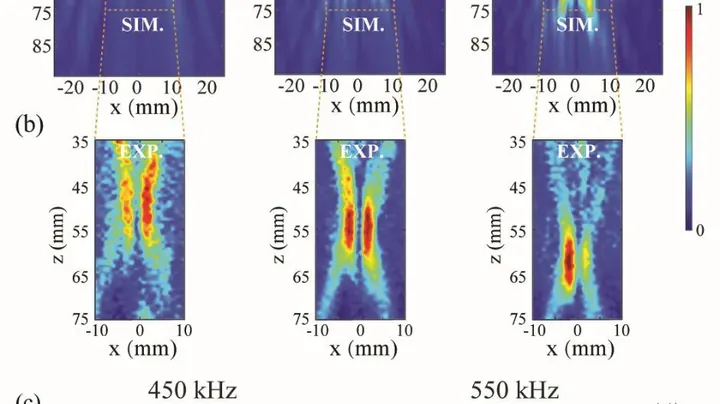
Scientists have found a way to crack the fortress gates. They built a device that sends focused ultrasound into the brain. Tiny gas bubbles are injected into the blood.
At night in a dark room, the human body emits a barely perceptible glow. This light is so faint that only highly sensitive detectors can catch it. Some researchers thought this glow from the head could tell us about brain activity — no scanners or wires needed.
But when put to the test, the story changed.
Alzheimer's disease begins quietly: deep in the brain, two proteins, tau and amyloid-beta, start to accumulate. They behave like weed seeds: one clump that appears causes neighboring cells to produce similar clumps. Gradually, the proteins spread along nerve fibers, like water through the capillaries of a paper towel, and invade new areas.
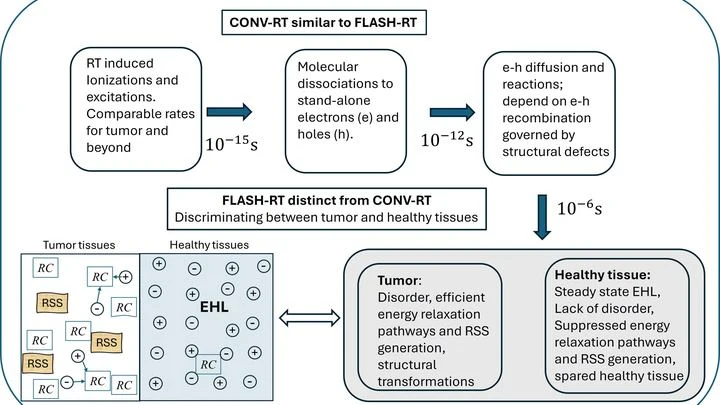
Two cities: one with neat, straight streets, the other with a tangle of alleys. If you send a powerful flood of water through both, in the first the water quickly drains away through channels, while in the second it swamps everything. That's roughly how tissues behave under ultrafast radiation therapy, known as FLASH.
The assembly of a virus shell is like fastening a button: protein blocks must interlock in the correct order, and thermal fluctuations act like trembling fingers. With weak binding, the trembling helps find the right position — the shell closes faster.
A lightning bolt strikes an anthill. Some ants die instantly, some freeze, and a few days later the survivors start rebuilding the tunnels. That's roughly how a tumor behaves after electroporation — a method where short electric pulses are passed through tissue to poke holes in cancer cell membranes and kill them.
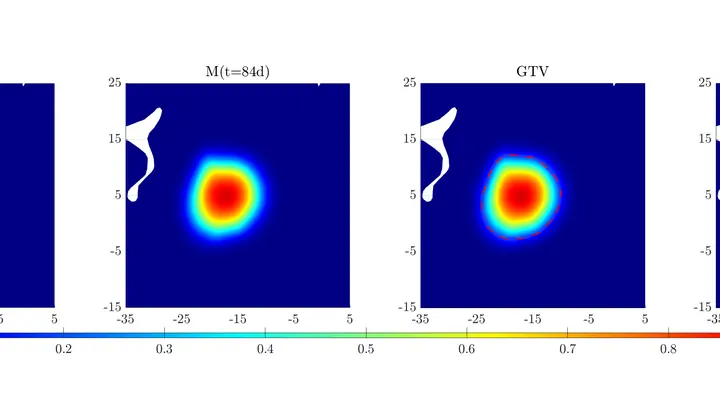
A brain tumor is like a traveler trudging through a dense forest: trees and bushes are the different types of brain tissue, some easier to traverse than others. Glioma cells don't move in a straight line; they constantly loop around, bumping into obstacles and going around them.
Sound can do more than be heard: it can push. An ultrasound vortex is a sound wave twisted like a whirlpool in a shell: silence at the center, rotating pressure at the edges. Such a whirlpool can grab tiny particles and carry them without a touch.