Quantum Light for Satellites express
A light beam sent from Earth to a satellite scatters in the atmosphere, like a flashlight in fog. To keep the signal intact, you need short-wavelength light that spreads less. Such light is born in special crystals, but shrinking them to chip size is tough.
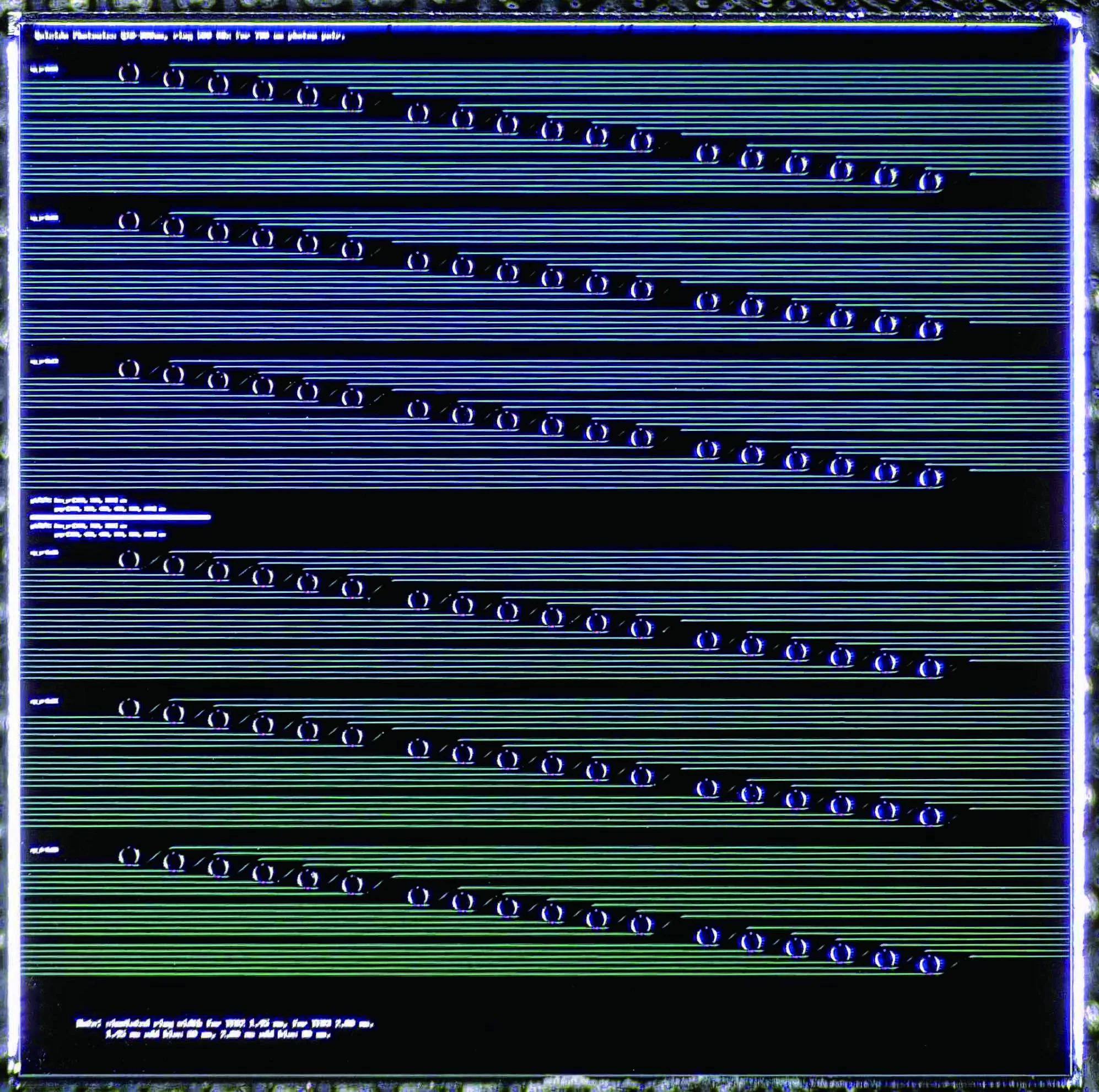
A research team made a chip from silicon nitride — a transparent material similar to glass but stronger. Inside the chip, light loops around like on a racetrack, occasionally splitting into a pair of particles. Previously, this material didn't work for short wavelengths: light 'slowed down' in it in the wrong way. The scientists routed the light along a different path inside the chip, and outsmarted the limitation. Now the chip produces 48.7 million pairs per second per milliwatt of power.
This chip has already survived radiation exposure like in space without breaking. That means it can be mounted on satellites. Secure quantum communication could then work even during the day, when sunlight interferes with conventional detectors.
The light particles from the chip are so synchronized that they could serve as perfect hourglasses: if one 'flips,' the other does the same in the same instant.
In the series 'The Expanse,' quantum communication works through relays, but the chip from this article could fit inside every spacesuit.