Magnetic Vortices Attract and Repel in Waves express
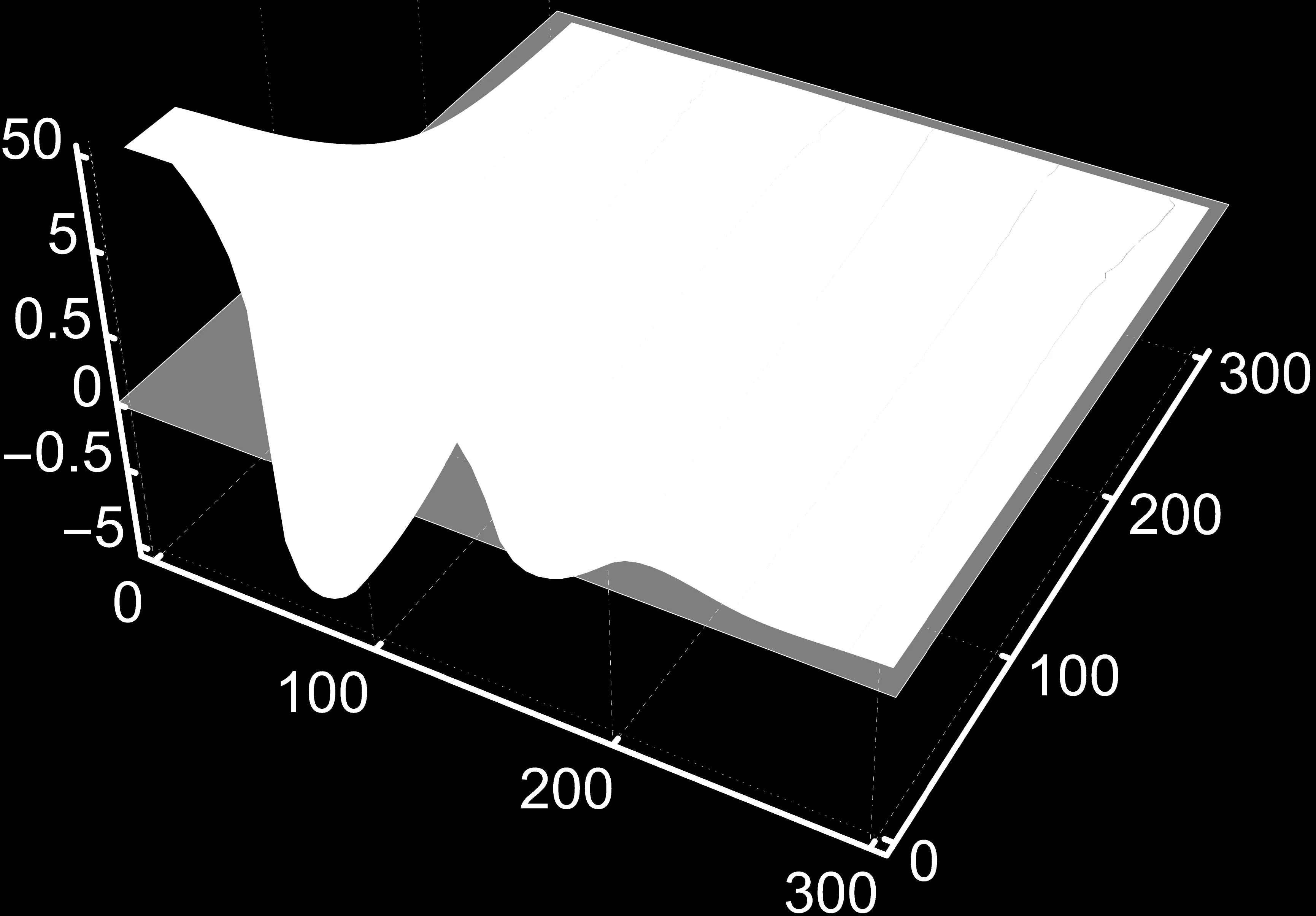
Two tiny magnetic vortices, called skyrmions, drift across a thin film. As they approach each other, the force between them isn't a simple attraction or repulsion, but an alternation of the two, as if two floats on water were converging and diverging, obeying an invisible wave.
It turns out that the force between skyrmions periodically changes sign: first they attract, then they repel, and this repeats with a certain step. This resembles the well-known RKKY interaction in the physics of metals, where two magnetic moments influence each other through a cloud of electrons, and this influence oscillates with distance. The scientists showed that this behavior is linked to a universal wavy "tail" in the magnetic texture of a skyrmion: that is, how the magnetization decays at the edges of the vortex.
This discovery is important for technology: knowing how skyrmions interact, one can assemble them into "molecules" and ordered structures, much like atoms arrange into crystals. Such skyrmion ensembles could become the basis for new devices for storing and processing information, where data bits move as tiny magnetic vortices, and their interactions enable computation.
The name "skyrmion" comes from the British physicist Tony Skyrme, who in the 1960s proposed a model of a particle as a knotted field resembling a vortex.
In science fiction, skyrmions are sometimes mentioned as possible information carriers in future quantum computers — for example, in Greg Egan's novel "Teranesia," magnetic vortices are used for data storage.