Two Rocky Planets Hidden Around Red Stars express
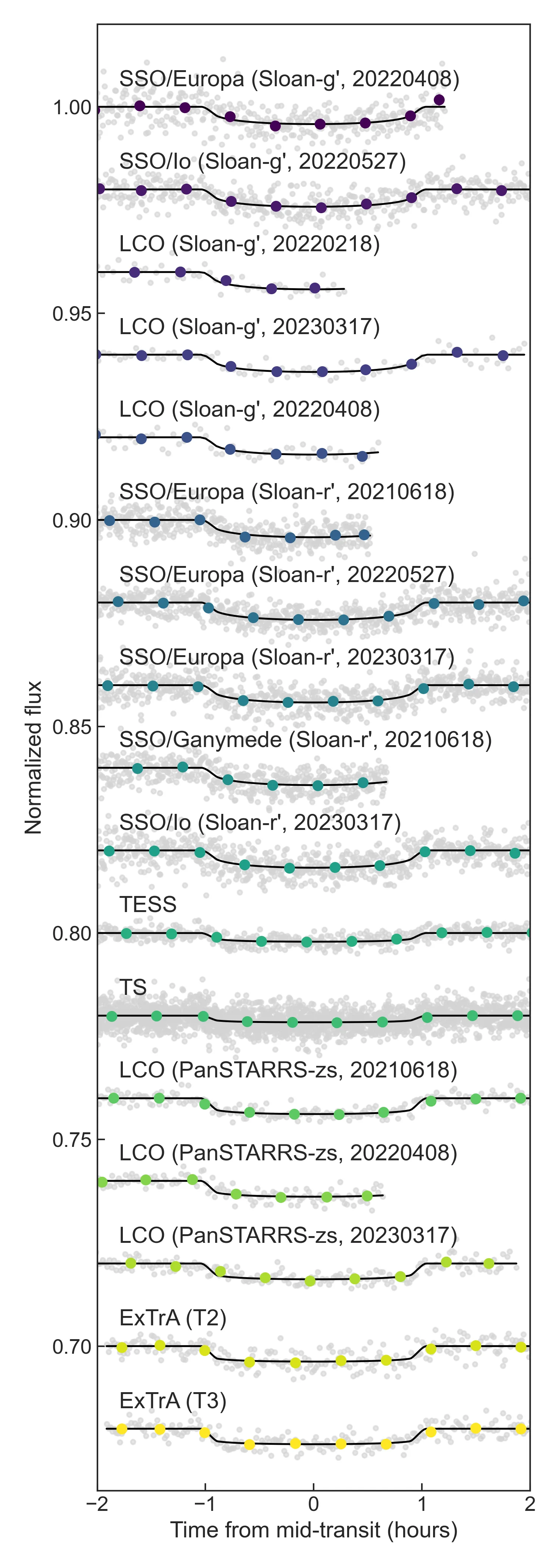
The TESS telescope's data are like a huge archive of old photographs: it already contains images of thousands of stars, but not every detail has been examined. Standard pipelines only look for the most obvious dips in a star's light when a planet passes in front of it. Fainter signals go unnoticed, like a quiet whisper in a noisy room.
The Hidden Gems project team used a special tool called sherlock that can pick out even barely perceptible stellar 'blinks' from the data. That's how they found two planets that had previously slipped under the radar. The first, TOI-237 c, is a rocky sphere with a radius 1.21 times that of Earth. It whips around its red star in just 1.74 days — a year on this planet is shorter than two Earth days. The second, TOI-4336 A c, is slightly smaller at 1.17 Earth radii and takes 7.58 days to orbit its star. That star is part of a triple system: two stars orbit close together, while a third lies far away.
Checks show that the planets' orbits are almost perfectly circular. Computer simulations confirm that both systems are stable: the planets will neither collide nor be ejected. For TOI-237 c, tiny variations in the timing of transits are expected, just a few seconds, but they can be measured with precise instruments.
These two planets now join the list of warm rocky worlds that sit right in the range where atmospheres could have survived. The TESS archive continues to yield its secrets: we just need to look more carefully at the old images.
A year on TOI-237 c lasts just 1.74 Earth days — shorter than a weekend.